

Más información sobre el libro
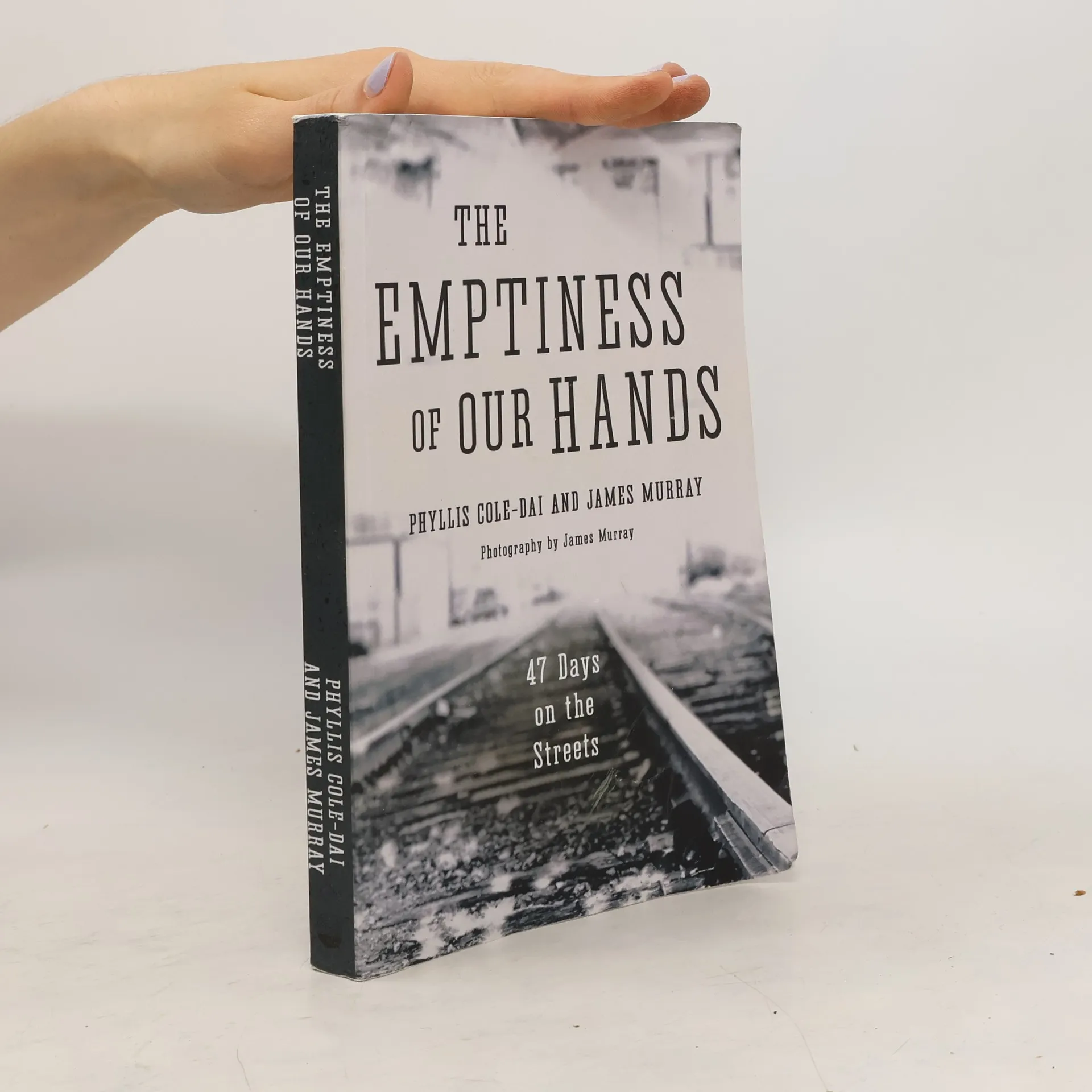
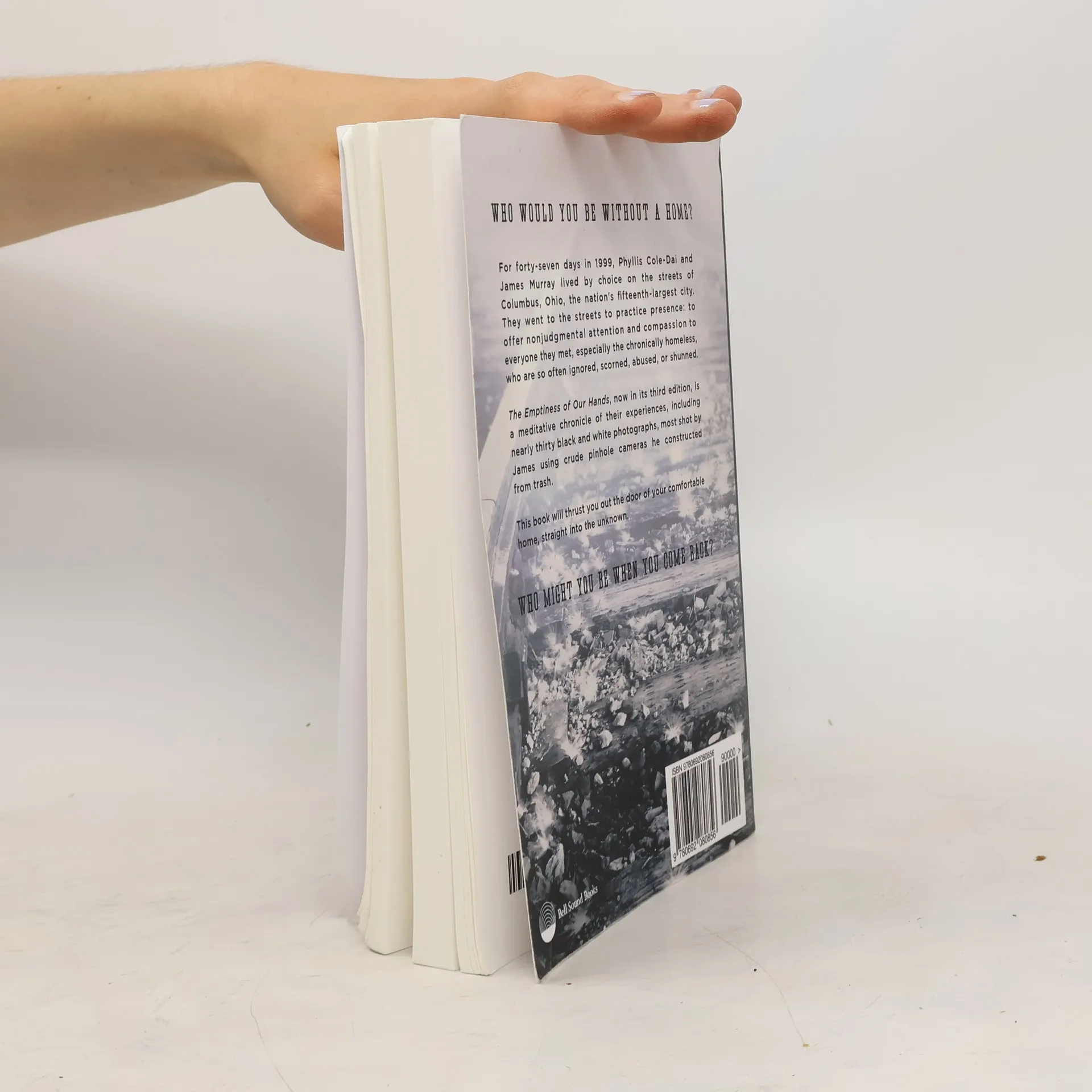
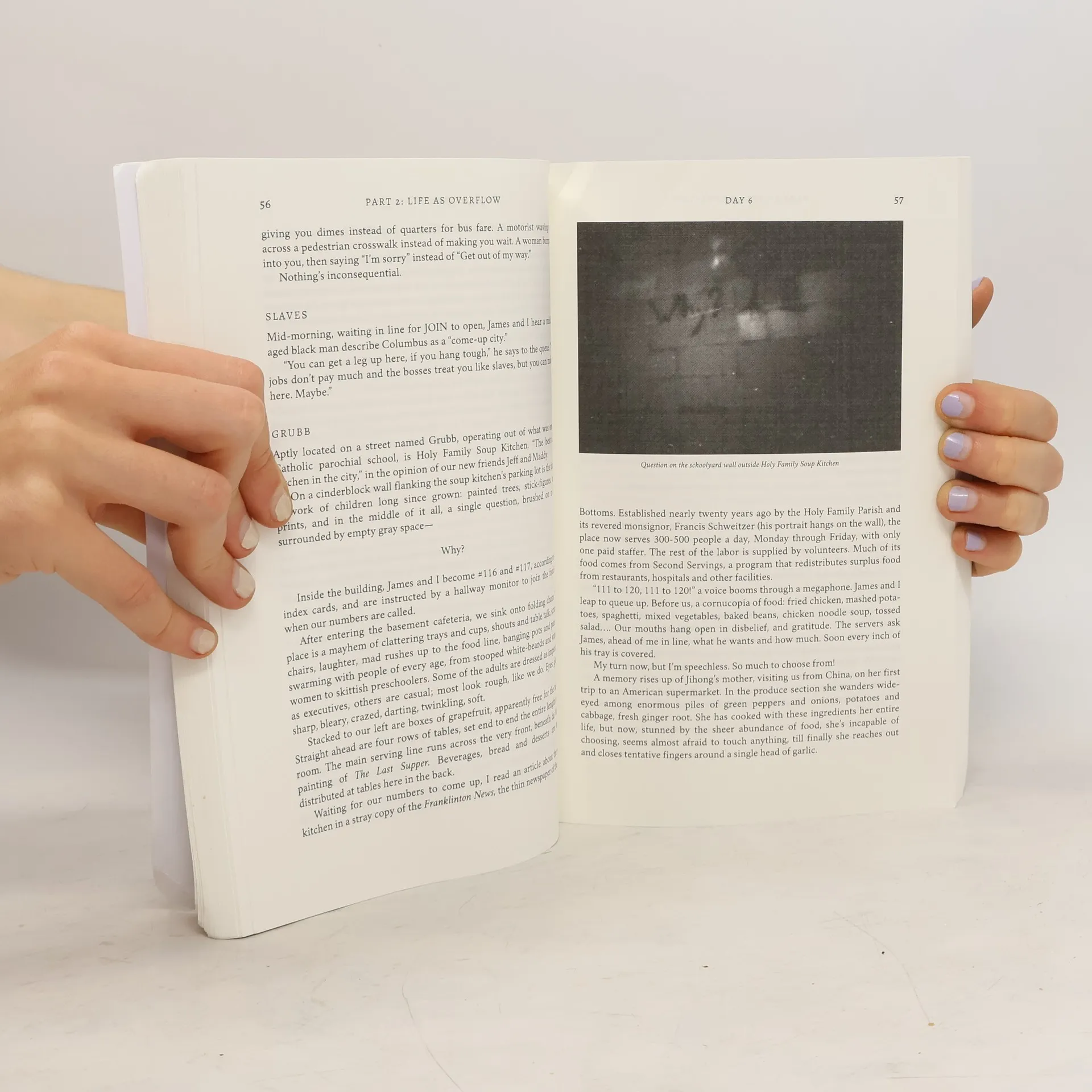
In 1999, Phyllis Cole-Dai and James Murray chose to live on the streets of Columbus, Ohio, with the intention of offering sustained, nonjudgmental attention to everyone they encountered. This book chronicles their experiences, challenging readers to step out of their comfortable lives and confront the realities of homelessness. Accompanied by pinhole photographs taken by James with cameras made from trash, the narrative remains relevant today despite recounting events from 1999. It is described as an "eye-opening" and "life-changing" read. Readers are encouraged to take their time, perhaps engaging with one chapter per day for deeper reflection. While the book can be paired with Phyllis's "Practicing Presence," written on the tenth anniversary of their street experience, it is accessible to all, regardless of faith. It invites readers to explore fundamental human values through questions such as: How do we treat others as we wish to be treated? How do we extend love and hospitality to those who seem different? These timeless questions require daily contemplation and action. For those interested in further exploration, a free sampler of Phyllis's work is available by joining her mailing list. Categories for this book include spirituality, memoir, mindfulness, and social conscience.
Compra de libros
The Emptiness of Our Hands, Phyllis Cole-Dai, James Murray
- Idioma

- Publicado en
- 2018
- Encuadernación
- (Tapa blanda)
Métodos de pago
Nos falta tu reseña aquí
- Título
- The Emptiness of Our Hands
- Subtítulo
- 47 Days on the Streets
- Idioma
- Inglés
- Autores
- Phyllis Cole-Dai, James Murray
- Editorial
- Bell Sounds Books
- Publicado en
- 2018
- Formato
- Tapa blanda
- Páginas
- 308
- ISBN10
- 0692080856
- ISBN13
- 9780692080856
- Serie
- Categorías
- Etiquetas
- Espiritualidad y Religión, Atención Plena, Indigencia
- Calificación
- 4,1 de 5
- Descripción
- In 1999, Phyllis Cole-Dai and James Murray chose to live on the streets of Columbus, Ohio, with the intention of offering sustained, nonjudgmental attention to everyone they encountered. This book chronicles their experiences, challenging readers to step out of their comfortable lives and confront the realities of homelessness. Accompanied by pinhole photographs taken by James with cameras made from trash, the narrative remains relevant today despite recounting events from 1999. It is described as an "eye-opening" and "life-changing" read. Readers are encouraged to take their time, perhaps engaging with one chapter per day for deeper reflection. While the book can be paired with Phyllis's "Practicing Presence," written on the tenth anniversary of their street experience, it is accessible to all, regardless of faith. It invites readers to explore fundamental human values through questions such as: How do we treat others as we wish to be treated? How do we extend love and hospitality to those who seem different? These timeless questions require daily contemplation and action. For those interested in further exploration, a free sampler of Phyllis's work is available by joining her mailing list. Categories for this book include spirituality, memoir, mindfulness, and social conscience.