



Parámetros
- 264 páginas
- 10 horas de lectura
Más información sobre el libro
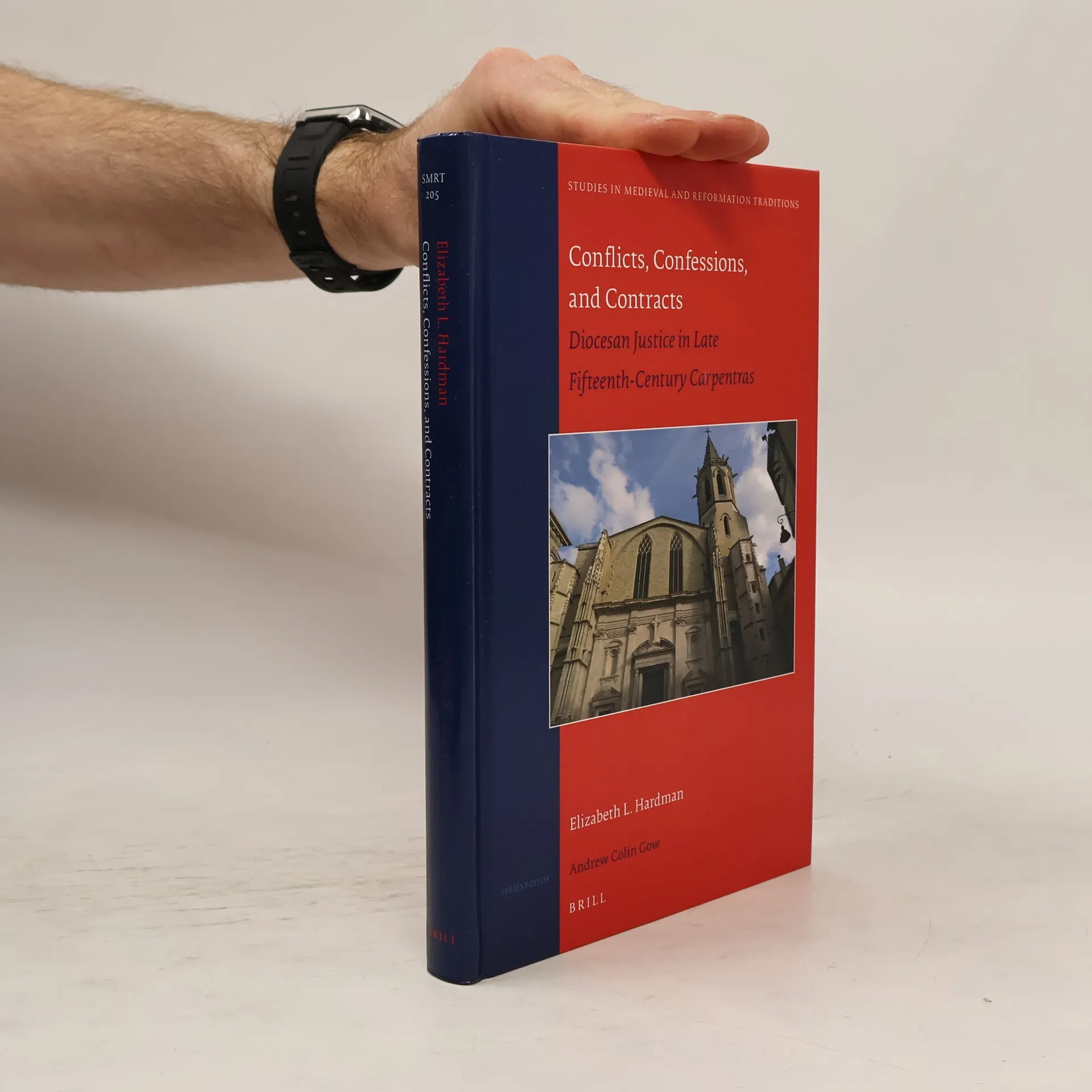
Diocesan Justice in Late Fifteenth-Century Carpentras' uses notarial records from the 1480s to reconstruct the procedures, caseload, and sanctions of the bishop's court of Carpentras and compare them to other secular and ecclesiastical courts. The court provided a robust forum for debt litigation utilized by a wide variety of people. Its criminal proceedings focused on recividist clerics who engaged in fights, disobedience, anti-Jewish activities, and sexual transgressions. Its justice varied depending on whether cases involved violence, sex, or contracts. The judge applied sanctions gingerly and protected litigants' rights carefully, in ways we might not expect: his role was to intervene in, explore, and document conflicts, and to elicit confessions and mediate disputes. Participants exploited this narrative and archival space well.
Compra de libros
Studies in Medieval and Reformation Traditions - 205: Conflicts, Confessions, and Contracts, Elizabeth L. Hardman, Andrew Colin Gow
- Idioma

- Publicado en
- 2016
- Encuadernación
- (Tapa dura)
Métodos de pago
Nadie lo ha calificado todavía.
- Título
- Studies in Medieval and Reformation Traditions - 205: Conflicts, Confessions, and Contracts
- Subtítulo
- Diocesan Justice in Late Fifteenth-Century Carpentras
- Idioma
- Inglés
- Autores
- Elizabeth L. Hardman, Andrew Colin Gow
- Editorial
- Brill
- Publicado en
- 2016
- Formato
- Tapa dura
- Páginas
- 264
- ISBN10
- 9004310673
- ISBN13
- 9789004310674
- Serie
- Categorías
- Etiquetas
- Tema histórico, Comercio, Temas religiosos, Temática jurídica, Otra historia, Regalos para abuelo
- Descripción
- Diocesan Justice in Late Fifteenth-Century Carpentras' uses notarial records from the 1480s to reconstruct the procedures, caseload, and sanctions of the bishop's court of Carpentras and compare them to other secular and ecclesiastical courts. The court provided a robust forum for debt litigation utilized by a wide variety of people. Its criminal proceedings focused on recividist clerics who engaged in fights, disobedience, anti-Jewish activities, and sexual transgressions. Its justice varied depending on whether cases involved violence, sex, or contracts. The judge applied sanctions gingerly and protected litigants' rights carefully, in ways we might not expect: his role was to intervene in, explore, and document conflicts, and to elicit confessions and mediate disputes. Participants exploited this narrative and archival space well.