


Más información sobre el libro
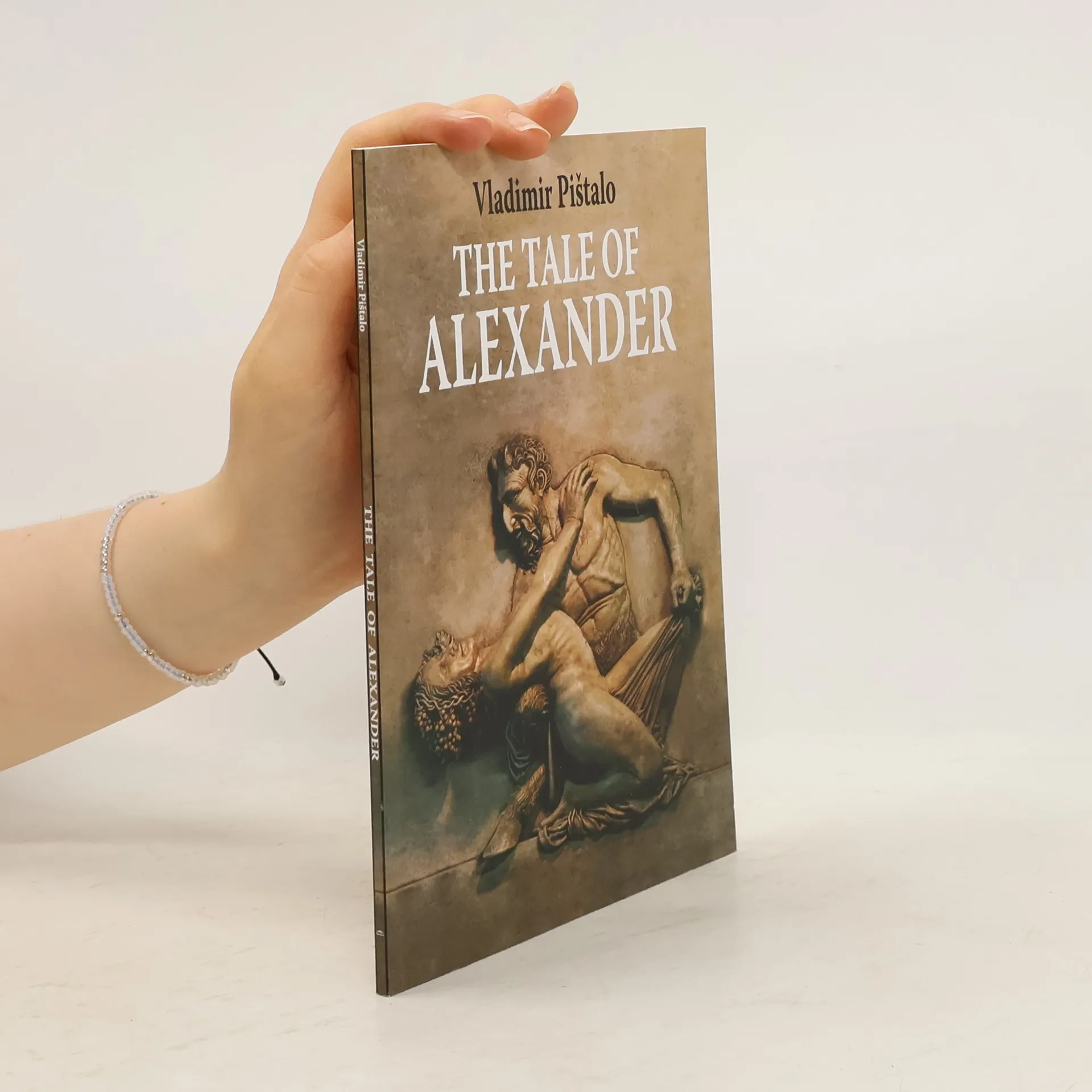
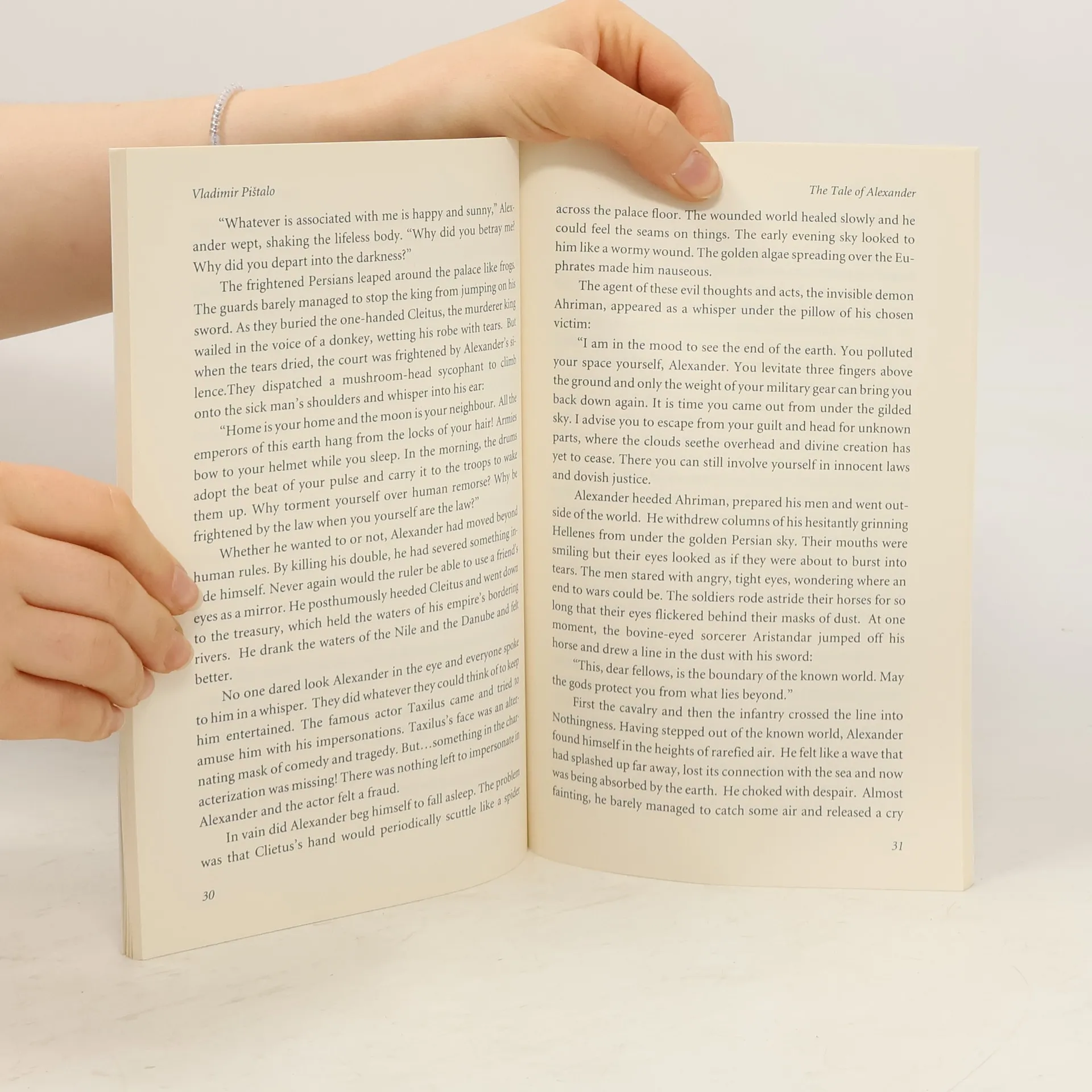
"The Tale of Alexander" by Vladimir Pištalo is a novella that presents a story about a man who conquered the whole world. It is, in fact, a saga about what the world is and what it is not, where it begins and where it ends—not just the world of Alexander the Great's time, but also our world, especially our inner world, which we either control or which controls us, where we are either victors or defeated, a world that can be a labyrinth, much like India was for Alexander's warriors. The story of the life of the conqueror Alexander, "the greatest wave in the sea of humanity," is well-known, but Pištalo's version offers a perspective through an unusual lens. His work focuses primarily on structure (a novella that is a saga) and linguistic devices (metaphor, synesthesia) as well as unusual juxtapositions and reinterpretations of historical facts and myths.
Compra de libros
The Tale of Alexander, Vladimir Pištalo
- Idioma

- Publicado en
- 2021
- Encuadernación
- (Tapa blanda)
Métodos de pago
Nadie lo ha calificado todavía.
- Título
- The Tale of Alexander
- Idioma
- Inglés
- Autores
- Vladimir Pištalo
- Editorial
- Agora Zrenjanin
- Publicado en
- 2021
- Formato
- Tapa blanda
- Páginas
- 55
- ISBN10
- 8660533208
- ISBN13
- 9788660533205
- Serie
- Categorías
- Etiquetas
- Tema histórico, Aventura, Temática filosófica
- Descripción
- "The Tale of Alexander" by Vladimir Pištalo is a novella that presents a story about a man who conquered the whole world. It is, in fact, a saga about what the world is and what it is not, where it begins and where it ends—not just the world of Alexander the Great's time, but also our world, especially our inner world, which we either control or which controls us, where we are either victors or defeated, a world that can be a labyrinth, much like India was for Alexander's warriors. The story of the life of the conqueror Alexander, "the greatest wave in the sea of humanity," is well-known, but Pištalo's version offers a perspective through an unusual lens. His work focuses primarily on structure (a novella that is a saga) and linguistic devices (metaphor, synesthesia) as well as unusual juxtapositions and reinterpretations of historical facts and myths.