



Más información sobre el libro
Based on Nietzsche's critique of religion and culture, this book examines the myths of origins that shape our understanding of the relationship between shame and beauty. It reconsiders foundational myths from Hesiod and Greek mythology to Plato and the Bible, exploring how we have traditionally separated shame and beauty to establish the authority we believe we need in our lives. By contrasting Socrates' repression of violence in The Republic with Nietzsche's concept of the overman, the author revises the connections among the religious, aesthetic, and political realms. He asserts that the aesthetic precedes the religious, highlighting a necessary link between the political and aesthetic dimensions. The work revisits Nietzsche's challenge to confront the reality of our actions: can we acknowledge our shame without projecting it onto others or repressing it? What transformations might arise in our psychological, social, and political landscapes from such recognition? It probes the value in accepting the complex relationship between shame and beauty that underpins our existence. While the book does not provide definitive answers, it emphasizes Nietzsche's affirmation of the world's inherent value, suggesting that confronting the intertwined nature of beauty and shame can lead to a more authentic life.
Compra de libros
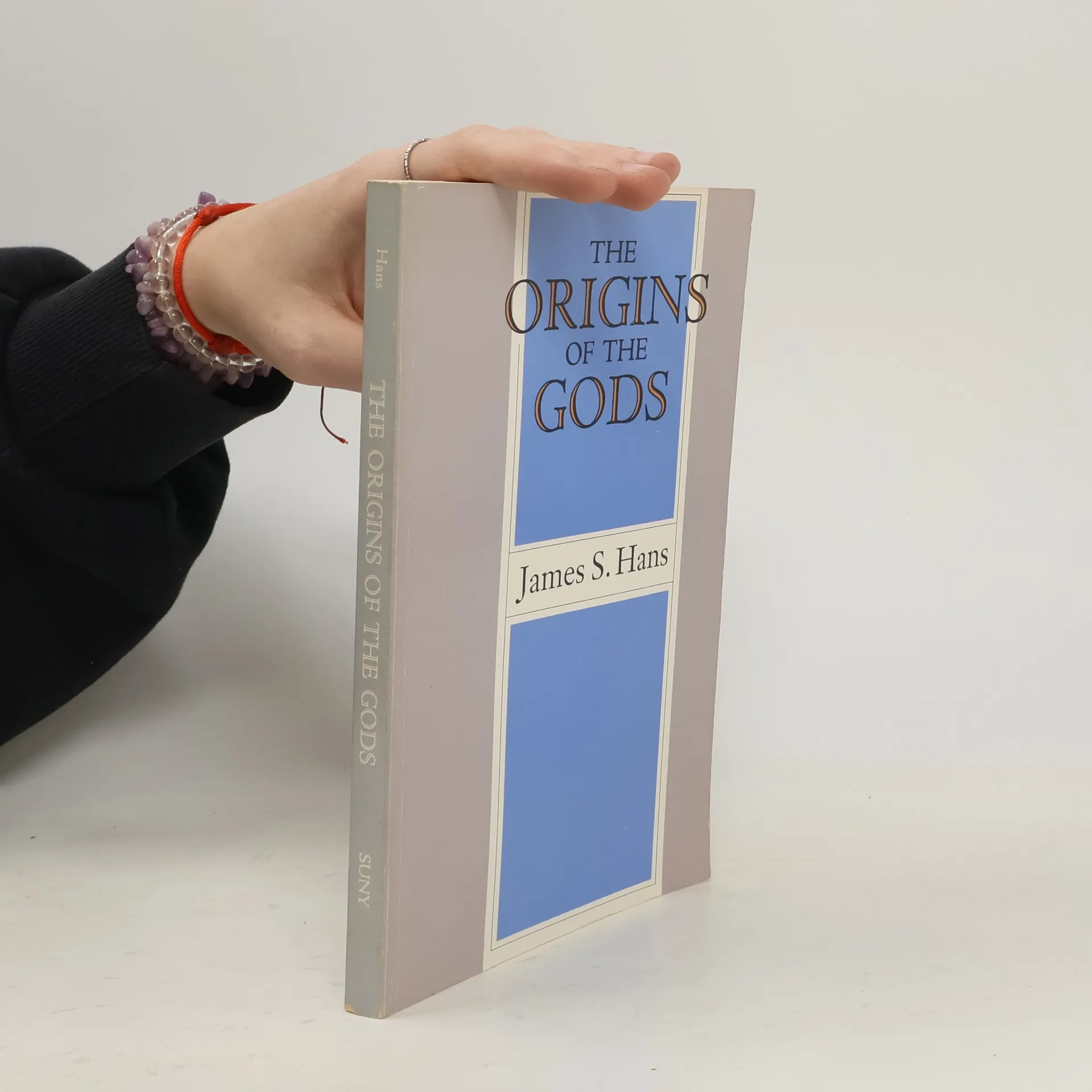
Suny Series, Margins of Literature: The Origins of the Gods, James S. Hans
- Idioma

- Publicado en
- 1991
- Encuadernación
- (Tapa blanda)
Métodos de pago
Nadie lo ha calificado todavía.
- Título
- Suny Series, Margins of Literature: The Origins of the Gods
- Idioma
- Inglés
- Autores
- James S. Hans
- Editorial
- State University of New York Press
- Publicado en
- 1991
- Formato
- Tapa blanda
- Páginas
- 246
- ISBN10
- 079140661X
- ISBN13
- 9780791406618
- Serie
- Categorías
- Etiquetas
- Temática filosófica
- Descripción
- Based on Nietzsche's critique of religion and culture, this book examines the myths of origins that shape our understanding of the relationship between shame and beauty. It reconsiders foundational myths from Hesiod and Greek mythology to Plato and the Bible, exploring how we have traditionally separated shame and beauty to establish the authority we believe we need in our lives. By contrasting Socrates' repression of violence in The Republic with Nietzsche's concept of the overman, the author revises the connections among the religious, aesthetic, and political realms. He asserts that the aesthetic precedes the religious, highlighting a necessary link between the political and aesthetic dimensions. The work revisits Nietzsche's challenge to confront the reality of our actions: can we acknowledge our shame without projecting it onto others or repressing it? What transformations might arise in our psychological, social, and political landscapes from such recognition? It probes the value in accepting the complex relationship between shame and beauty that underpins our existence. While the book does not provide definitive answers, it emphasizes Nietzsche's affirmation of the world's inherent value, suggesting that confronting the intertwined nature of beauty and shame can lead to a more authentic life.