


Más información sobre el libro
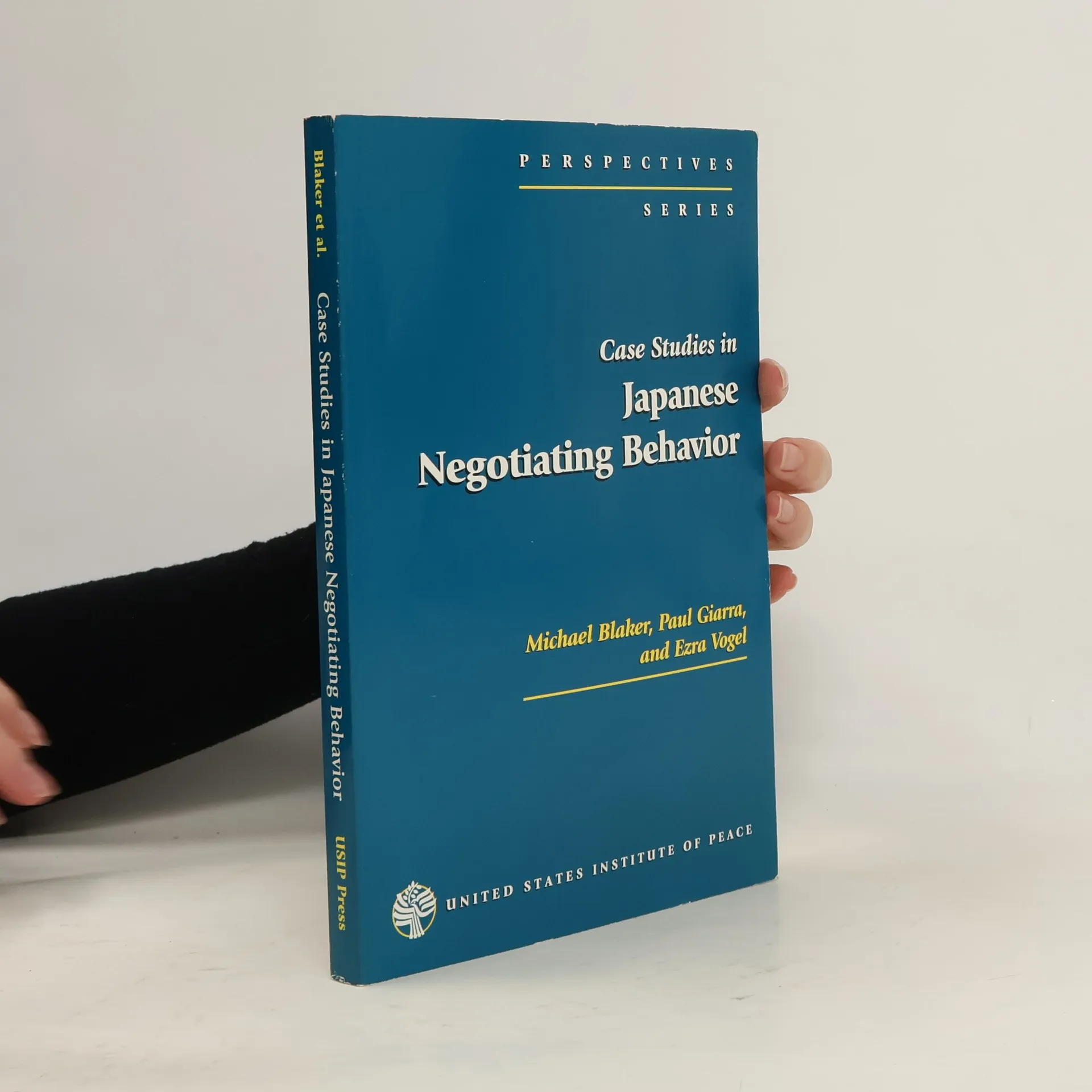
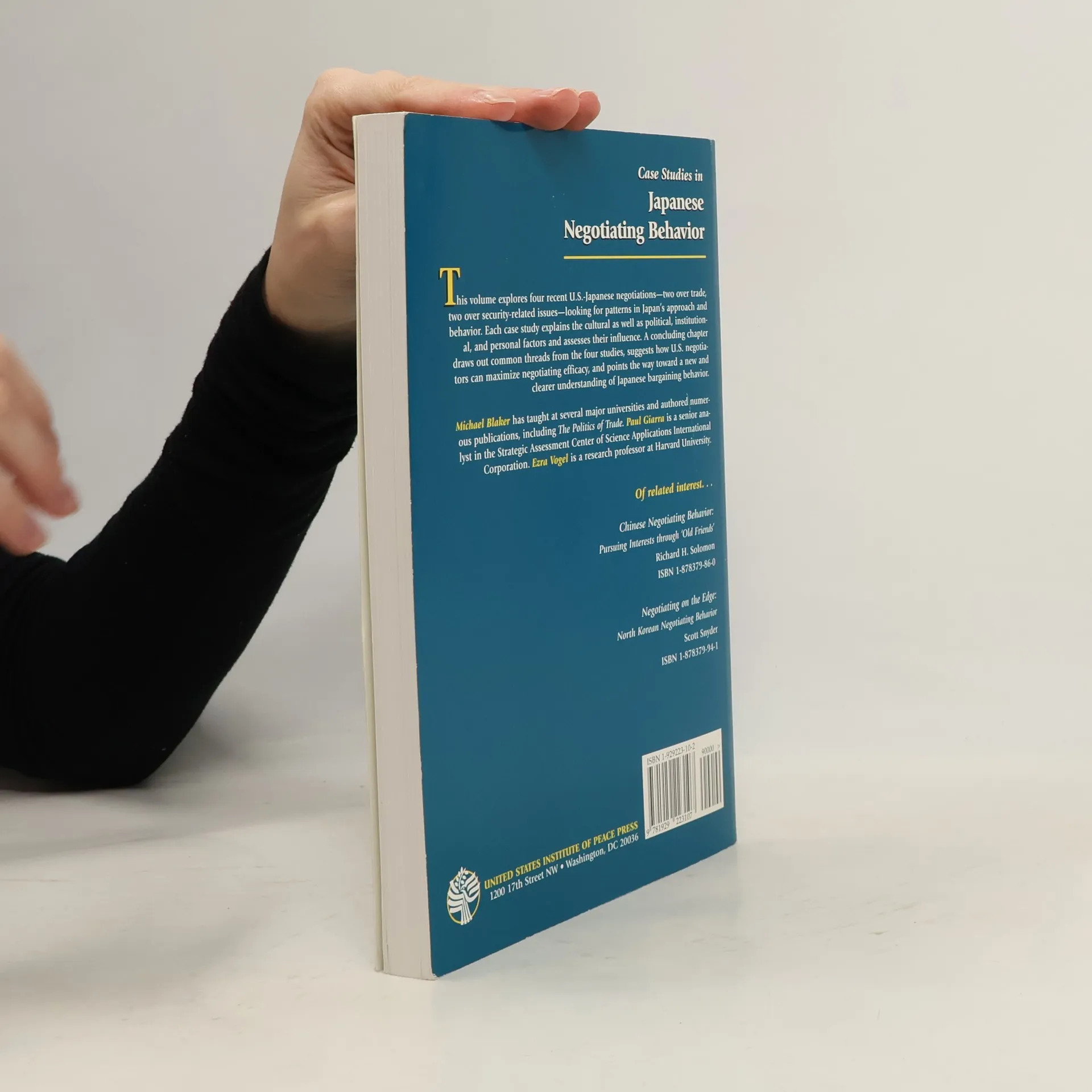
Japanese representatives bring to the negotiating table a distinctive mind-set and behavioral style, one that s largely free of gamesmanship and histrionics but that s nonetheless frequently exasperating.This volume explores four recent U.S. Japanese negotiations two over trade, two over security-related issues looking for patterns in Japan s approach and behavior. In the first three cases, veteran Japanologist Michael Blaker finds the same fundamental style coping. Coping captures the go-with-the-flow essence of the Japanese bargaining approach : cautious, methodical, low key, resistant, apprehensive, and above all defensive. In the fourth case, Ezra Vogel and Paul Giarra recount how the United States and Japan fashioned a new security framework for their relationship in the 1990s. Vogel and Giarra show that close personal relationships, mutual trust, and a common purpose can foster flexible, fast, and fruitful negotiations.Each case study explains the cultural as well as political, institutional, and personal factors and assesses their influence. A concluding chapter draws out common threads from the four studies, suggests how U.S. negotiators can maximize negotiating efficacy, and points the way toward a new and clearer understanding of Japanese bargaining behavior.
Compra de libros
Cross-Cultural Negotiation Books: Case Studies in Japanese Negotiating Behavior, Michael Blaker, Paul Giarra, Ezra F. Vogel
- Idioma

- Publicado en
- 2002
- Encuadernación
- (Tapa blanda)
Métodos de pago
Nos falta tu reseña aquí
- Título
- Cross-Cultural Negotiation Books: Case Studies in Japanese Negotiating Behavior
- Idioma
- Inglés
- Autores
- Michael Blaker, Paul Giarra, Ezra F. Vogel
- Editorial
- United States Institute of Peace
- Publicado en
- 2002
- Formato
- Tapa blanda
- Páginas
- 224
- ISBN10
- 1929223102
- ISBN13
- 9781929223107
- Serie
- Categorías
- Etiquetas
- Comercio
- Calificación
- 2,5 de 5
- Descripción
- Japanese representatives bring to the negotiating table a distinctive mind-set and behavioral style, one that s largely free of gamesmanship and histrionics but that s nonetheless frequently exasperating.This volume explores four recent U.S. Japanese negotiations two over trade, two over security-related issues looking for patterns in Japan s approach and behavior. In the first three cases, veteran Japanologist Michael Blaker finds the same fundamental style coping. Coping captures the go-with-the-flow essence of the Japanese bargaining approach : cautious, methodical, low key, resistant, apprehensive, and above all defensive. In the fourth case, Ezra Vogel and Paul Giarra recount how the United States and Japan fashioned a new security framework for their relationship in the 1990s. Vogel and Giarra show that close personal relationships, mutual trust, and a common purpose can foster flexible, fast, and fruitful negotiations.Each case study explains the cultural as well as political, institutional, and personal factors and assesses their influence. A concluding chapter draws out common threads from the four studies, suggests how U.S. negotiators can maximize negotiating efficacy, and points the way toward a new and clearer understanding of Japanese bargaining behavior.