

Más información sobre el libro
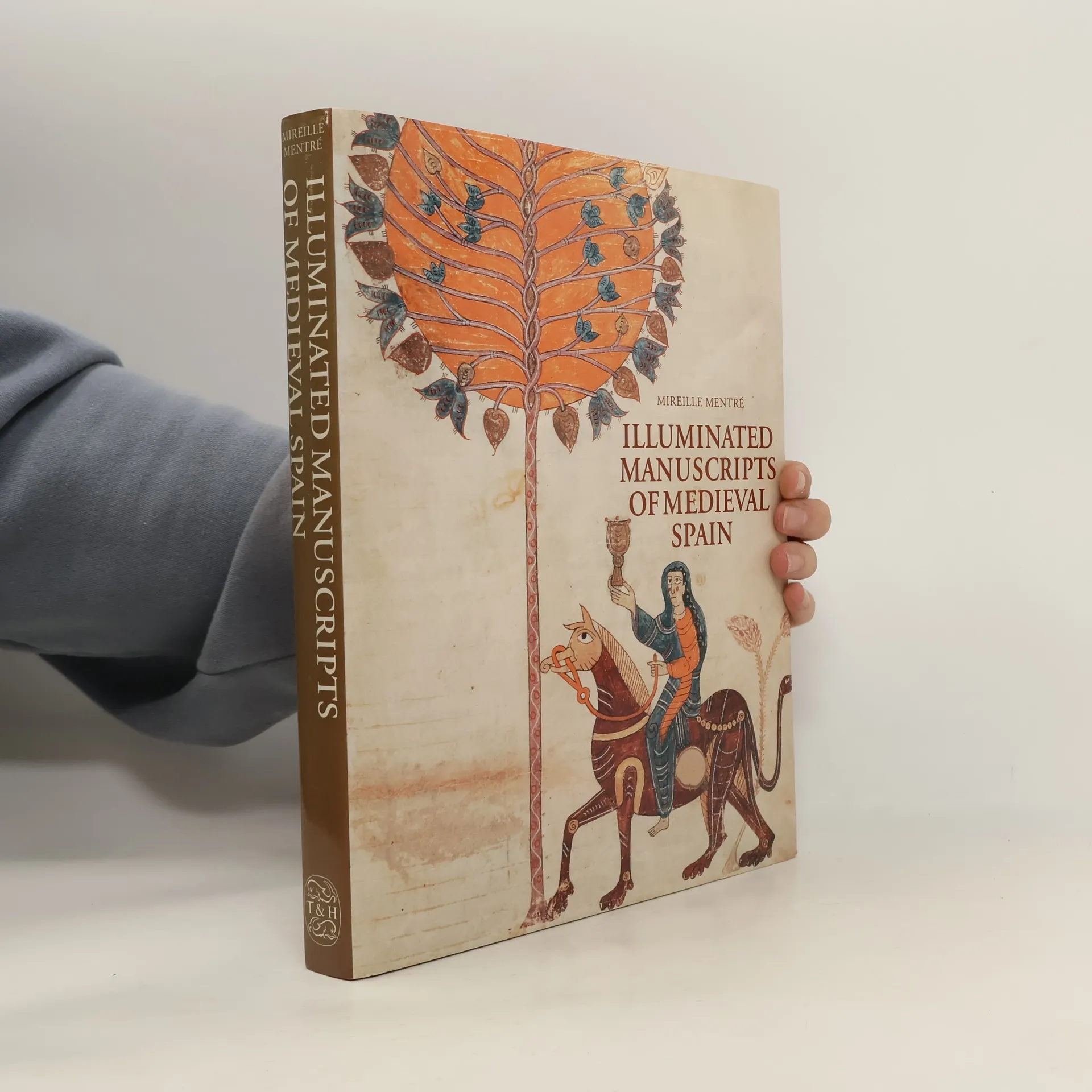
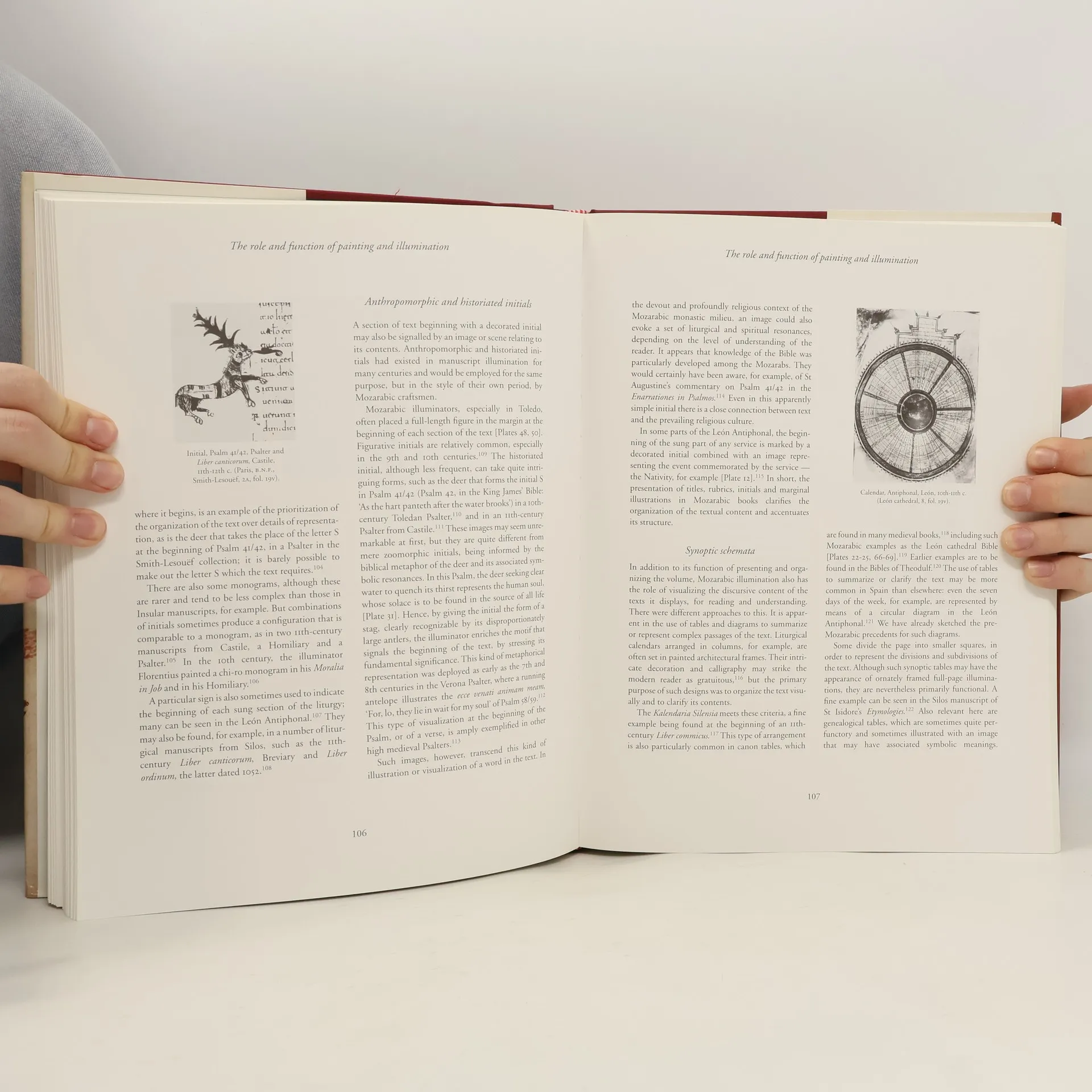
As the end of the first millennium drew near, the beleaguered Christian communities of Spain, still dominated by Islam, were experiencing a profound spiritual crisis. Cut off from the rest of Europe and obsessed by the imminence of God's judgement, these people made of their illuminated manuscripts art forms of extraordinary expressive power. More than 20 manuscripts survive, dating from 900 to 1100, all illuminated in a bizarre and colourful style known as Mozarabic, and depicting an invented world peopled by angelic warriors, demons and beasts, exotic birds and serpents and luxuriant trees. The Beatus manuscripts, based on the commentary written three centuries earlier by the monk Beatus of Liebana, are the largest, but not only body of such work. There are Bibles, and a small number of other religious texts, all sharing the same apocalyptic vision as recounted in the Revelation of St John the Divine. This study explores the context and role of the illuminations and explains their dense theological meaning without dissipating their magic.
Compra de libros
The Illuminated Manuscripts of Medieval Spain, Mireille Mentre
- Idioma

- Publicado en
- 1996
- Encuadernación
- (Tapa dura)
Métodos de pago
Nos falta tu reseña aquí
- Título
- The Illuminated Manuscripts of Medieval Spain
- Idioma
- Inglés
- Autores
- Mireille Mentre
- Editorial
- Thames & Hudson
- Publicado en
- 1996
- Formato
- Tapa dura
- Páginas
- 304
- ISBN10
- 0500017328
- ISBN13
- 9780500017326
- Serie
- Etiquetas
- Arte, España, Artes decorativas
- Calificación
- 4,8 de 5
- Descripción
- As the end of the first millennium drew near, the beleaguered Christian communities of Spain, still dominated by Islam, were experiencing a profound spiritual crisis. Cut off from the rest of Europe and obsessed by the imminence of God's judgement, these people made of their illuminated manuscripts art forms of extraordinary expressive power. More than 20 manuscripts survive, dating from 900 to 1100, all illuminated in a bizarre and colourful style known as Mozarabic, and depicting an invented world peopled by angelic warriors, demons and beasts, exotic birds and serpents and luxuriant trees. The Beatus manuscripts, based on the commentary written three centuries earlier by the monk Beatus of Liebana, are the largest, but not only body of such work. There are Bibles, and a small number of other religious texts, all sharing the same apocalyptic vision as recounted in the Revelation of St John the Divine. This study explores the context and role of the illuminations and explains their dense theological meaning without dissipating their magic.