



Más información sobre el libro
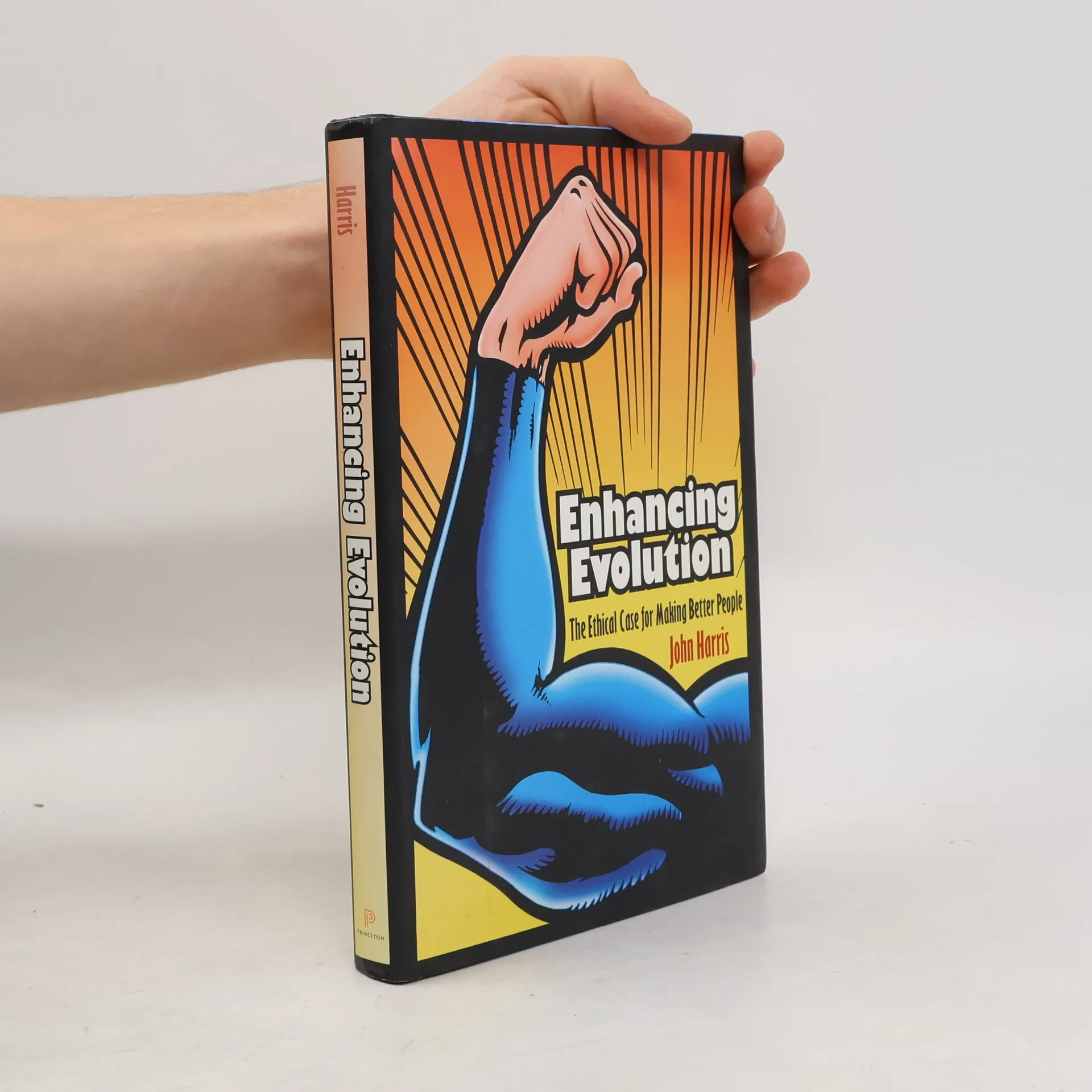
Decisive biotechnological interventions aimed at enhancing human bodies and brains have faced significant ethical rejection and hostility. In this work, leading bioethicist John Harris dismantles objections to genetic engineering, stem-cell research, designer babies, and cloning, making a compelling ethical case for biotechnology to improve human life. Harris argues that human enhancement is not only morally good but also beneficial for individuals, social policy, and our genetic heritage, which he believes requires improvement. He defends interventions that could lead to longer, healthier, and happier lives, such as immunity from diseases like cancer and HIV/AIDS. However, the book goes beyond mere therapies for sickness and disability; it advocates for influencing the course of evolution to enhance mental and physical capabilities, including reasoning, memory, strength, and stamina. Harris asserts that enhancing ourselves is not just morally defensible but, in some cases, a moral obligation. Regardless of one's perspective on biotechnology—whether hopeful, fearful, or ambivalent—this work presents an argument that is impossible to overlook.
Compra de libros
Enhancing Evolution, John Harris
- Idioma

- Publicado en
- 2007
- Encuadernación
- (Tapa dura)
Métodos de pago
Nos falta tu reseña aquí
- Título
- Enhancing Evolution
- Subtítulo
- The Ethical Case for Making Better People
- Idioma
- Inglés
- Autores
- John Harris
- Editorial
- Princeton University Press
- Publicado en
- 2007
- Formato
- Tapa dura
- Páginas
- 242
- ISBN10
- 0691128448
- ISBN13
- 9780691128443
- Serie
- Categorías
- Etiquetas
- Ciencias naturales, Temática filosófica, Política, Ciencia, EE.UU., Medicina, Bioética, Ingeniería genética
- Calificación
- 3,45 de 5
- Descripción
- Decisive biotechnological interventions aimed at enhancing human bodies and brains have faced significant ethical rejection and hostility. In this work, leading bioethicist John Harris dismantles objections to genetic engineering, stem-cell research, designer babies, and cloning, making a compelling ethical case for biotechnology to improve human life. Harris argues that human enhancement is not only morally good but also beneficial for individuals, social policy, and our genetic heritage, which he believes requires improvement. He defends interventions that could lead to longer, healthier, and happier lives, such as immunity from diseases like cancer and HIV/AIDS. However, the book goes beyond mere therapies for sickness and disability; it advocates for influencing the course of evolution to enhance mental and physical capabilities, including reasoning, memory, strength, and stamina. Harris asserts that enhancing ourselves is not just morally defensible but, in some cases, a moral obligation. Regardless of one's perspective on biotechnology—whether hopeful, fearful, or ambivalent—this work presents an argument that is impossible to overlook.