

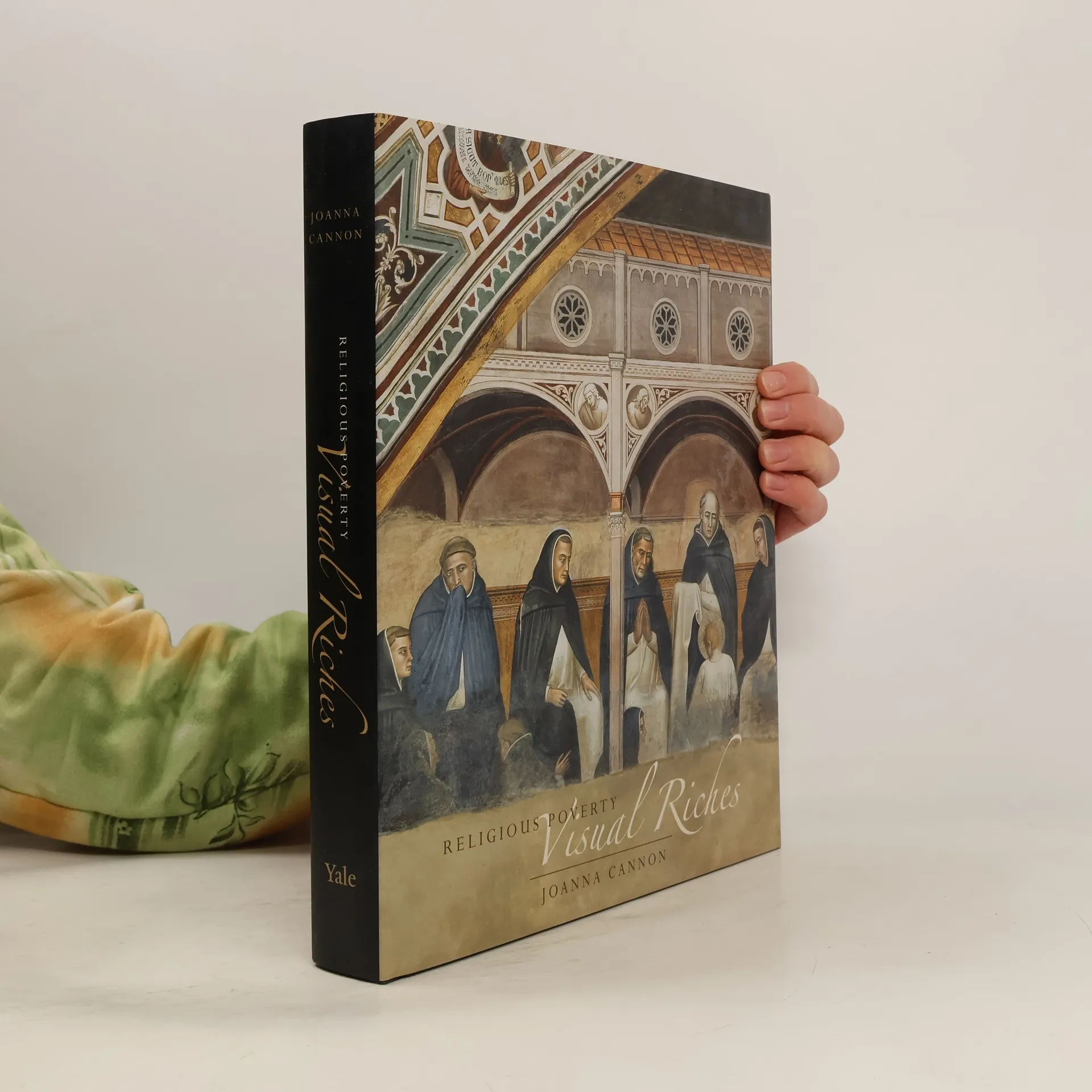
Religious Poverty, Visual Riches
Art in the Dominican Churches of Central Italy in the Thirteenth and Fourteenth Centuries
Autores
Valoración del libro
Parámetros
- 444 páginas
- 16 horas de lectura
Más información sobre el libro
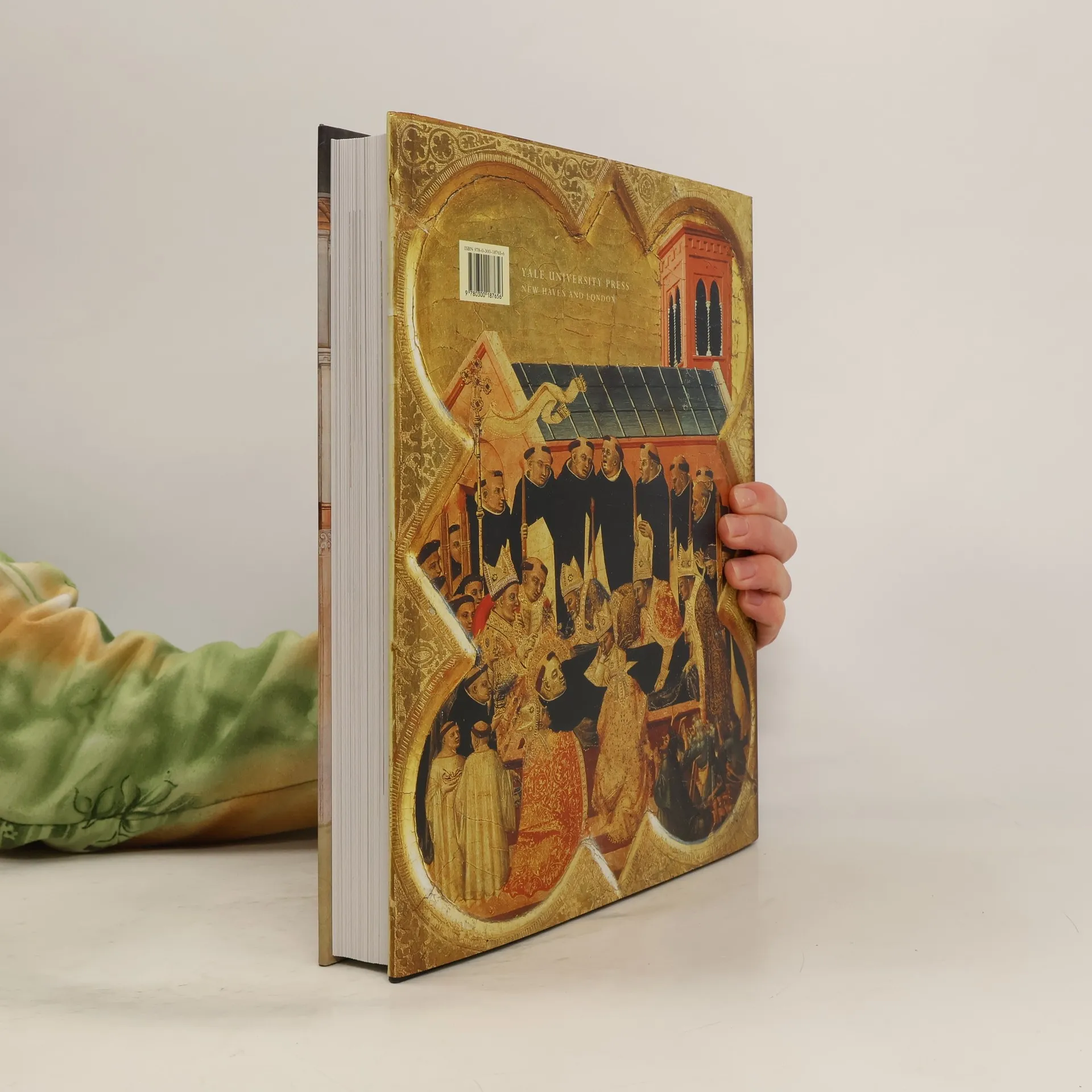
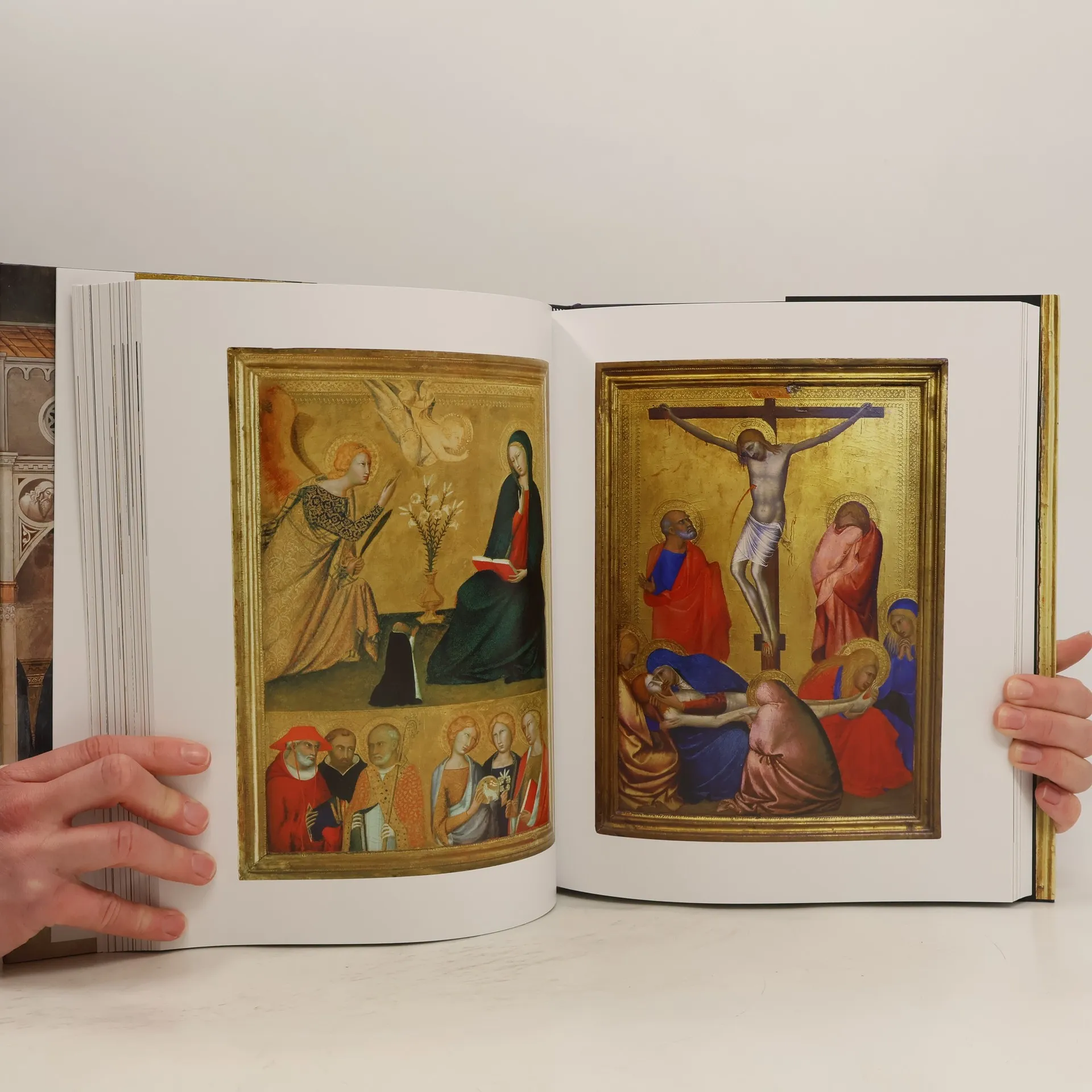
The Dominican friars of late-medieval Italy were committed to a life of poverty, yet their churches contained many visual riches, as this groundbreaking study reveals. Works by supreme practitioners―Cimabue, Duccio, Giotto, and Simone Martini―are examined here in a wider Dominican context. The contents of major foundations―Siena, Pisa, Perugia, and Santa Maria Novella in Florence―are studied alongside less well-known centers. For the first time, these frescoes and panel paintings are brought together with illuminated choir books, carved crucifixes, goldsmith's work, tombs, and stained glass. At the heart of the book is the Dominicans' evolving relationship with the laity, expressed at first by the partitioning of their churches, and subsequently by the sharing of space, and the production and use of art. Joanna Cannon's magisterial study is informed by extensive new research, using chronicles, legislation, liturgy, sermons, and other sources to explore the place of art in the lives of the friars and the urban laity of Central Italy.
Compra de libros
Religious Poverty, Visual Riches, Joanna Cannon
- Idioma

- Publicado en
- 2013
- Encuadernación
- (Tapa dura)
Métodos de pago
Nos falta tu reseña aquí
- Título
- Religious Poverty, Visual Riches
- Subtítulo
- Art in the Dominican Churches of Central Italy in the Thirteenth and Fourteenth Centuries
- Idioma
- Inglés
- Autores
- Joanna Cannon
- Editorial
- Yale University Press
- Publicado en
- 2013
- Formato
- Tapa dura
- Páginas
- 444
- ISBN10
- 0300187653
- ISBN13
- 9780300187656
- Serie
- Categorías
- Etiquetas
- Temas religiosos, Arte, Europa, Europa del Sur, Italia, Medieval, Historia del arte, Inspiración, Europa Occidental, Arte cristiano y simbolismo
- Calificación
- 4,6 de 5
- Descripción
- The Dominican friars of late-medieval Italy were committed to a life of poverty, yet their churches contained many visual riches, as this groundbreaking study reveals. Works by supreme practitioners―Cimabue, Duccio, Giotto, and Simone Martini―are examined here in a wider Dominican context. The contents of major foundations―Siena, Pisa, Perugia, and Santa Maria Novella in Florence―are studied alongside less well-known centers. For the first time, these frescoes and panel paintings are brought together with illuminated choir books, carved crucifixes, goldsmith's work, tombs, and stained glass. At the heart of the book is the Dominicans' evolving relationship with the laity, expressed at first by the partitioning of their churches, and subsequently by the sharing of space, and the production and use of art. Joanna Cannon's magisterial study is informed by extensive new research, using chronicles, legislation, liturgy, sermons, and other sources to explore the place of art in the lives of the friars and the urban laity of Central Italy.