





Parámetros
- 567 páginas
- 20 horas de lectura
Más información sobre el libro
What makes people smarter than computers? The work described in these two volumes suggests that the answer lies in the massively parallel architecture of the human mind. It is some of the most exciting work in cognitive science, unifying neural and cognitive processes in a highly computational framework, with links to artificial intelligence. Although thought and problem solving have a sequential character when viewed over a time frame of minutes or hours, the authors argue that each step in the sequence is the result of the simultaneous activity of a large number of simple computational elements, each influencing others and being influenced by them. "Parallel Distributed Processing" describes their work in developing a theoretical framework for describing this parallel distributed processing activity and in applying the framework to the development of models of aspects of perception, memory, language, and thought.Volume 1 lays the theoretical foundations of parallel distributed processing. It introduces the approach and the reasons why the authors feel it is a fruitful one, describes several models of basic mechanisms with wide applicability to different problems, and presents a number of specific technical analyses of different aspects of parallel distributed models.


Actualmente hay del libro Parallel Distributed Processing (1986) en stock.
Compra de libros
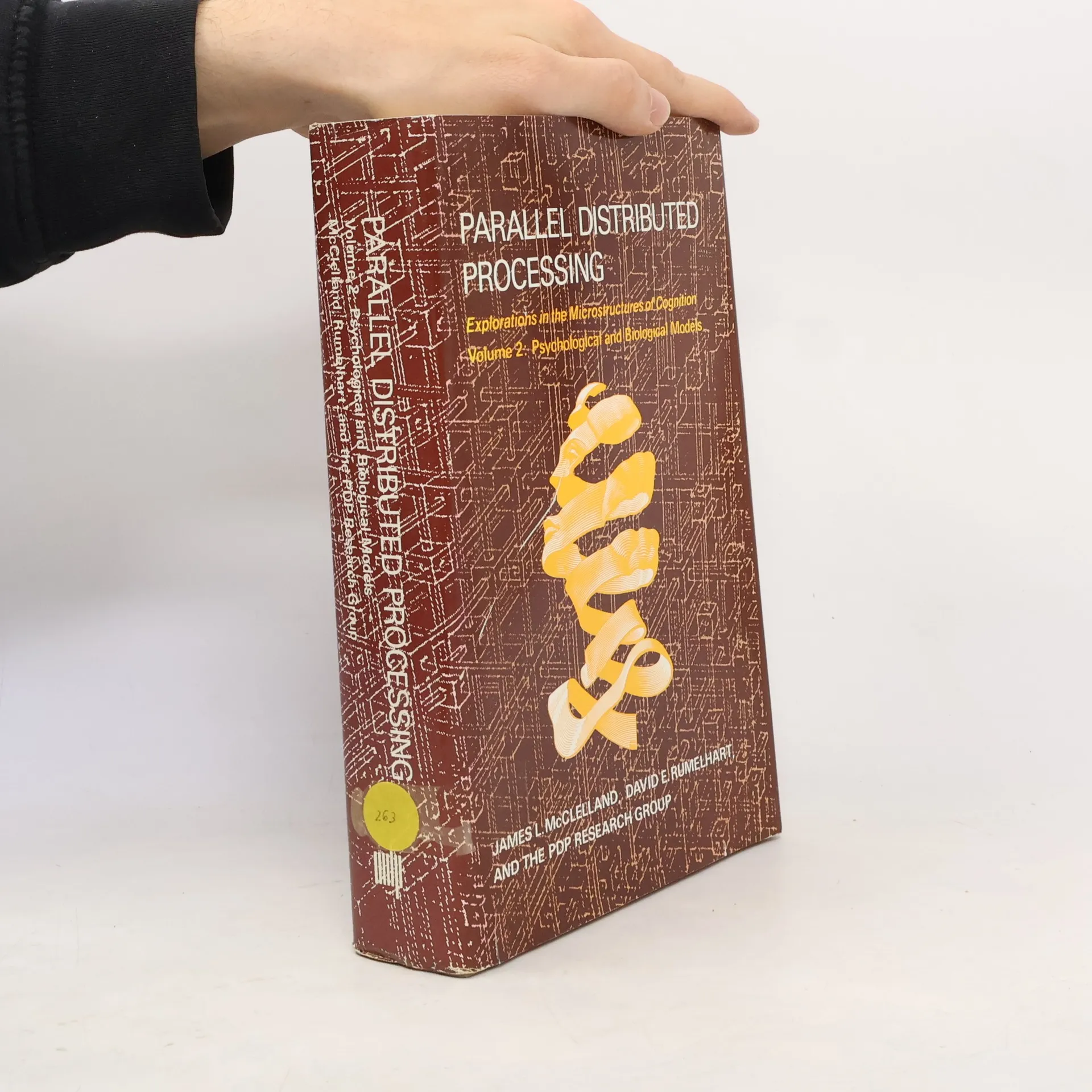
Parallel Distributed Processing, David E Rumelhart, James L McClelland, PDP Research Group, Chisato Asanuma
- Idioma

- Publicado en
- 1986
- product-detail.submit-box.info.binding
- (Tapa dura),
- Estado del libro
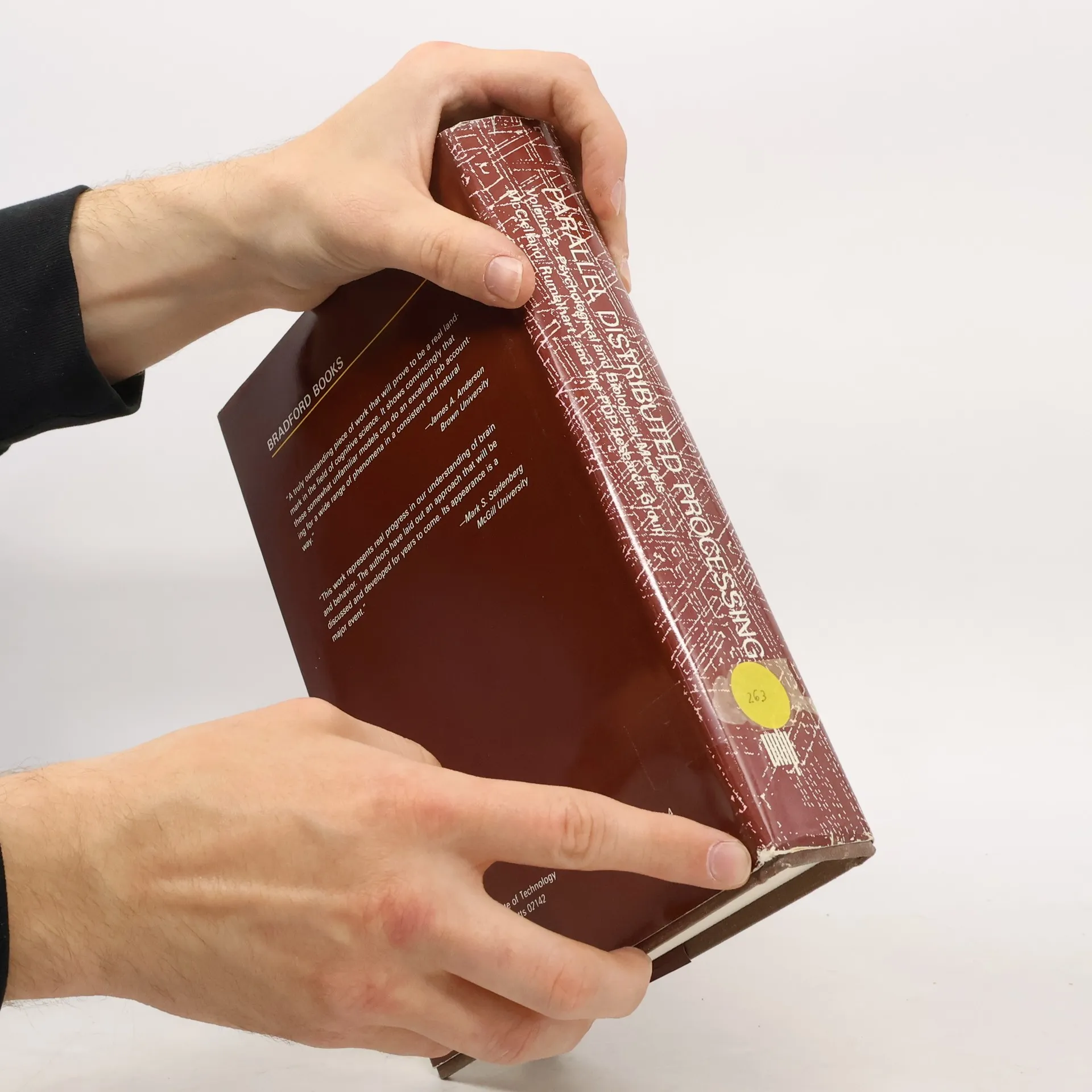
- Dañado
- Precio
- 5,93 €
Métodos de pago
Nos falta tu reseña aquí
- Subtítulo
- Explorations in the Microstructure of Cognition
- Idioma
- Inglés
- Editorial
- Bradford Books
- Publicado en
- 1986
- Formato
- Tapa dura
- Páginas
- 567
- ISBN10
- 0262181207
- ISBN13
- 9780262181204
- Serie
- Etiquetas
- No ficción, Tecnología & Ingeniería, Temas psicológicos, Temática filosófica, Ordenadores & Internet
- Calificación
- 4,2 de 5
- Descripción
- What makes people smarter than computers? The work described in these two volumes suggests that the answer lies in the massively parallel architecture of the human mind. It is some of the most exciting work in cognitive science, unifying neural and cognitive processes in a highly computational framework, with links to artificial intelligence. Although thought and problem solving have a sequential character when viewed over a time frame of minutes or hours, the authors argue that each step in the sequence is the result of the simultaneous activity of a large number of simple computational elements, each influencing others and being influenced by them. "Parallel Distributed Processing" describes their work in developing a theoretical framework for describing this parallel distributed processing activity and in applying the framework to the development of models of aspects of perception, memory, language, and thought.Volume 1 lays the theoretical foundations of parallel distributed processing. It introduces the approach and the reasons why the authors feel it is a fruitful one, describes several models of basic mechanisms with wide applicability to different problems, and presents a number of specific technical analyses of different aspects of parallel distributed models.