



Parámetros
- 216 páginas
- 8 horas de lectura
Más información sobre el libro
What happens to the citizen when states and nations come into being? How do the different ways in which states and nations exist define relations between individuals, groups, and the government? Are all citizens equal in their rights and duties in the newly established polity? Addressing these key questions in the contested and ethnically heterogeneous post-Yugoslav states of Bosnia and Herzegovina, Macedonia and Montenegro, this book reinterprets the place of citizenship in the disintegration of Yugoslavia and the creation of new states in the Western Balkans. Carefully analysing the interplay between competing ethnic identities and state-building projects, the author proposes a new analytical framework for studying continuities and discontinuities of citizenship in post-partition, post-conflict states. The book maintains that citizenship regimes in challenged states are shaped not only by the immediate political contexts that generated them, but also by their historical trajectories, societal environments in which they exist, as well as the transformative powers of international and European factors.
Compra de libros
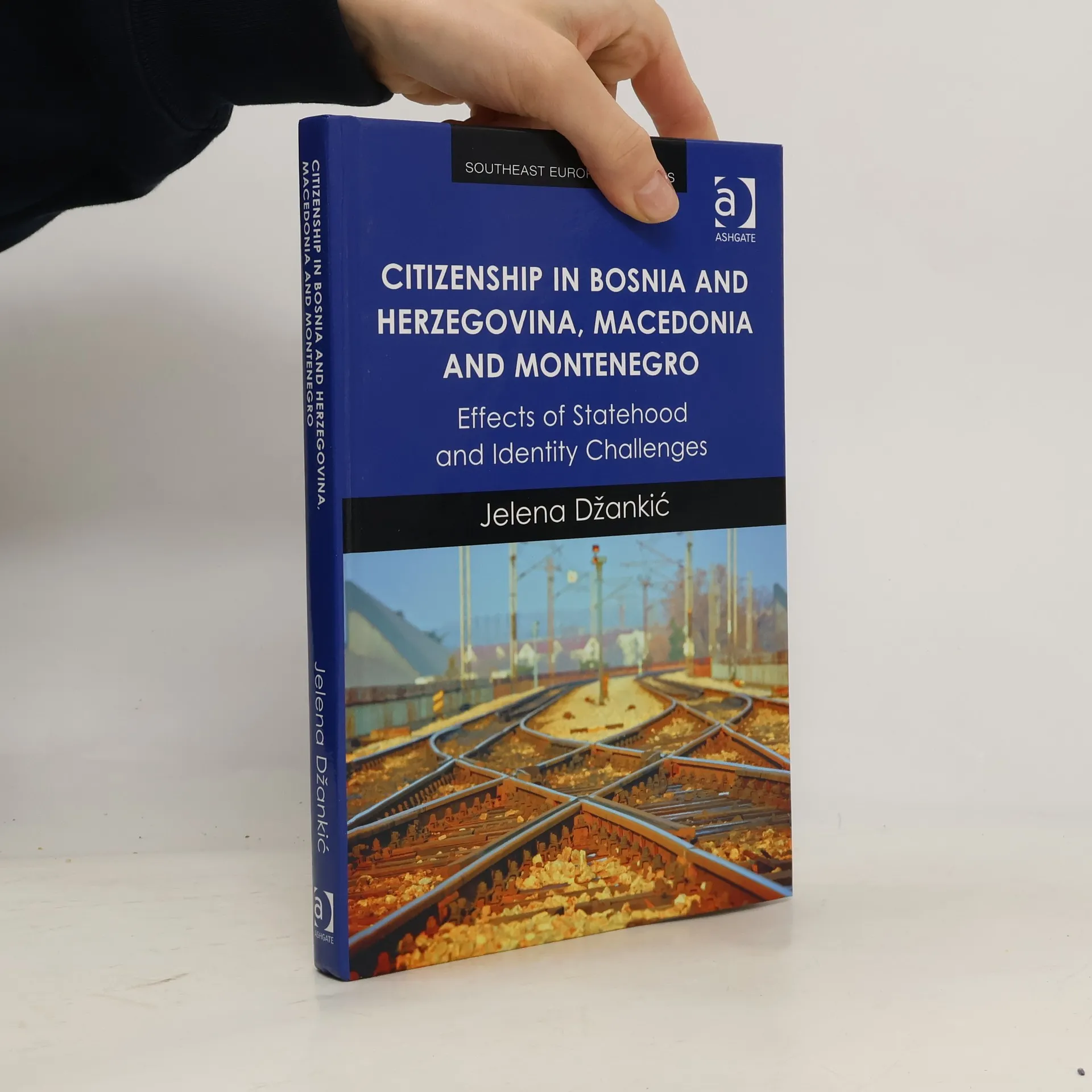
Southeast European Studies: Citizenship in Bosnia and Herzegovina, Macedonia and Montenegro, Jelena Džankić, Florian Bieber
- Idioma

- Publicado en
- 2015
- Encuadernación
- (Tapa dura)
Métodos de pago
Nadie lo ha calificado todavía.
- Título
- Southeast European Studies: Citizenship in Bosnia and Herzegovina, Macedonia and Montenegro
- Subtítulo
- Effects of Statehood and Identity Challenges
- Idioma
- Inglés
- Autores
- Jelena Džankić, Florian Bieber
- Editorial
- Routledge
- Publicado en
- 2015
- Formato
- Tapa dura
- Páginas
- 216
- ISBN10
- 1472446410
- ISBN13
- 9781472446411
- Serie
- Categorías
- Etiquetas
- Tema histórico, Política, Teorías Políticas, Europa del Este, Nacionalismo, Bosnia y Herzegovina, Ciudadanía, Macedonia del Norte
- Descripción
- What happens to the citizen when states and nations come into being? How do the different ways in which states and nations exist define relations between individuals, groups, and the government? Are all citizens equal in their rights and duties in the newly established polity? Addressing these key questions in the contested and ethnically heterogeneous post-Yugoslav states of Bosnia and Herzegovina, Macedonia and Montenegro, this book reinterprets the place of citizenship in the disintegration of Yugoslavia and the creation of new states in the Western Balkans. Carefully analysing the interplay between competing ethnic identities and state-building projects, the author proposes a new analytical framework for studying continuities and discontinuities of citizenship in post-partition, post-conflict states. The book maintains that citizenship regimes in challenged states are shaped not only by the immediate political contexts that generated them, but also by their historical trajectories, societal environments in which they exist, as well as the transformative powers of international and European factors.