

Más información sobre el libro
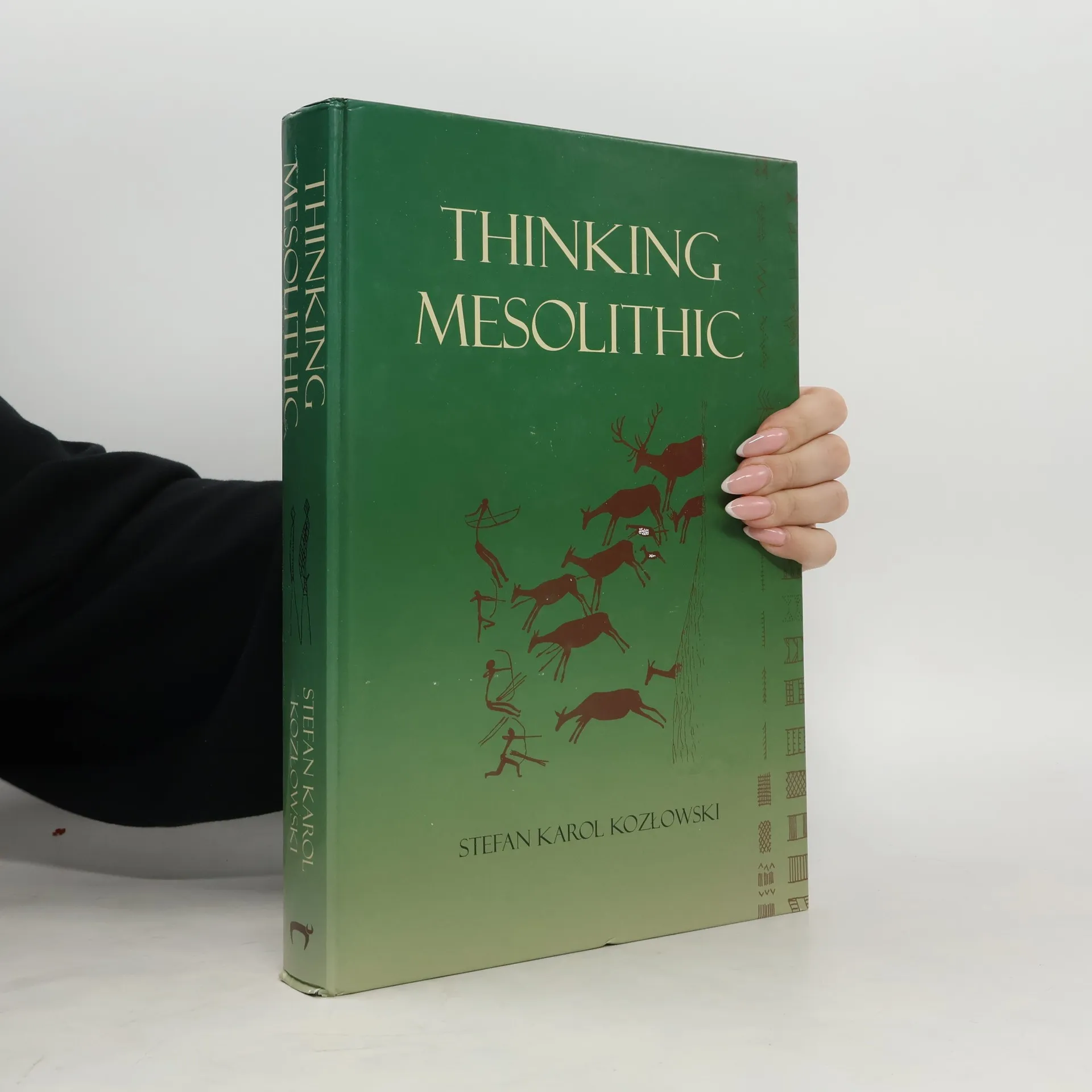
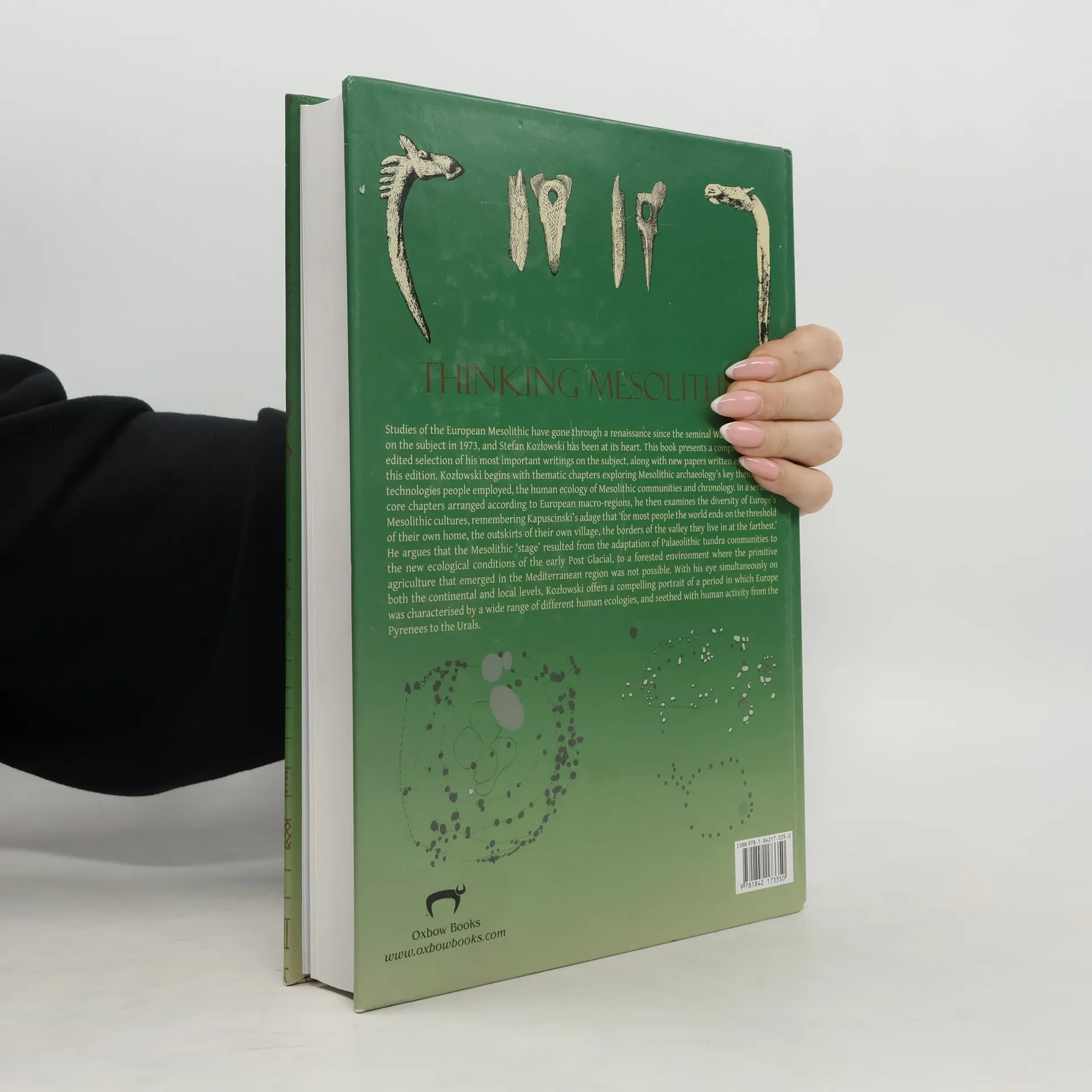
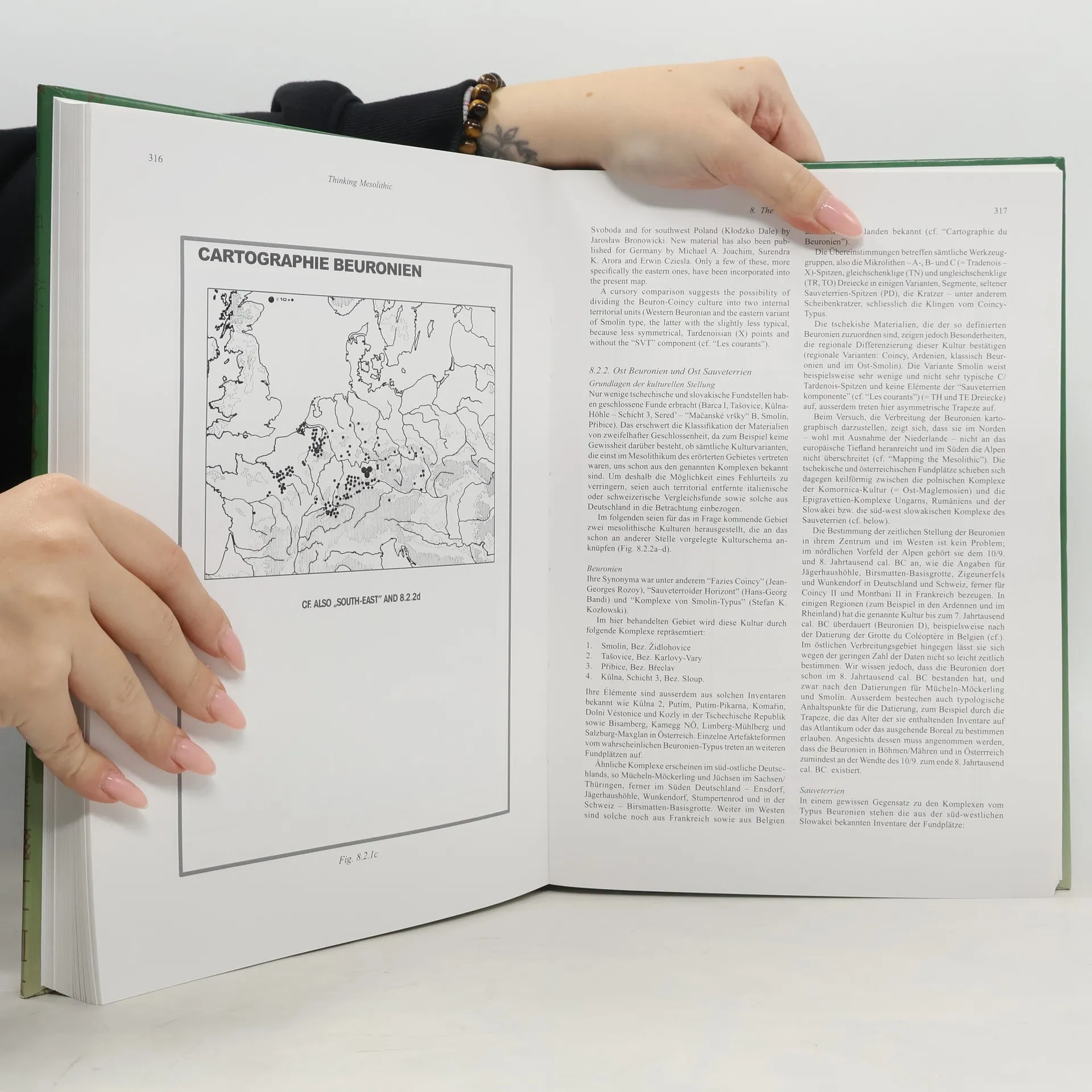
Studies of the European Mesolithic have experienced a renaissance since the 1973 Warsaw conference, with Stefan Kozlowski at the forefront. This book presents a comprehensive selection of his significant writings, including new papers for this edition. Kozlowski opens with thematic chapters that delve into key aspects of Mesolithic archaeology, such as the technologies used, the human ecology of communities, and chronological frameworks. He then explores the diversity of Mesolithic cultures across Europe, emphasizing Kapuscinski's notion that most people's world is limited to their immediate surroundings. Kozlowski posits that the Mesolithic 'stage' emerged from the adaptation of Palaeolithic tundra communities to the early Post Glacial's new ecological conditions, transitioning to a forested environment where primitive agriculture was not feasible, particularly in the Mediterranean. By examining both continental and local perspectives, he provides a compelling portrayal of a dynamic period in Europe, marked by varied human ecologies and vibrant human activity from the Pyrenees to the Urals. The book's structure includes sections on definitions, methodologies, regional analyses, and specific cultural aspects, offering a thorough exploration of the Mesolithic era.
Compra de libros
Thinking Mesolithic, Stefan Karol Kozłowski
- Idioma


- Publicado en
- 2009
- Encuadernación
- (Tapa dura)
Métodos de pago
Nos falta tu reseña aquí
- Título
- Thinking Mesolithic
- Idioma
- Inglés, Alemán
- Autores
- Stefan Karol Kozłowski
- Editorial
- Oxbow Books Limited
- Publicado en
- 2009
- Formato
- Tapa dura
- Páginas
- 380
- ISBN10
- 1842173359
- ISBN13
- 9781842173350
- Serie
- Etiquetas
- Europa, Antigüedad, Arqueología, Prehistoria y antigüedad, Europa Occidental
- Calificación
- 3,65 de 5
- Descripción
- Studies of the European Mesolithic have experienced a renaissance since the 1973 Warsaw conference, with Stefan Kozlowski at the forefront. This book presents a comprehensive selection of his significant writings, including new papers for this edition. Kozlowski opens with thematic chapters that delve into key aspects of Mesolithic archaeology, such as the technologies used, the human ecology of communities, and chronological frameworks. He then explores the diversity of Mesolithic cultures across Europe, emphasizing Kapuscinski's notion that most people's world is limited to their immediate surroundings. Kozlowski posits that the Mesolithic 'stage' emerged from the adaptation of Palaeolithic tundra communities to the early Post Glacial's new ecological conditions, transitioning to a forested environment where primitive agriculture was not feasible, particularly in the Mediterranean. By examining both continental and local perspectives, he provides a compelling portrayal of a dynamic period in Europe, marked by varied human ecologies and vibrant human activity from the Pyrenees to the Urals. The book's structure includes sections on definitions, methodologies, regional analyses, and specific cultural aspects, offering a thorough exploration of the Mesolithic era.