

Más información sobre el libro
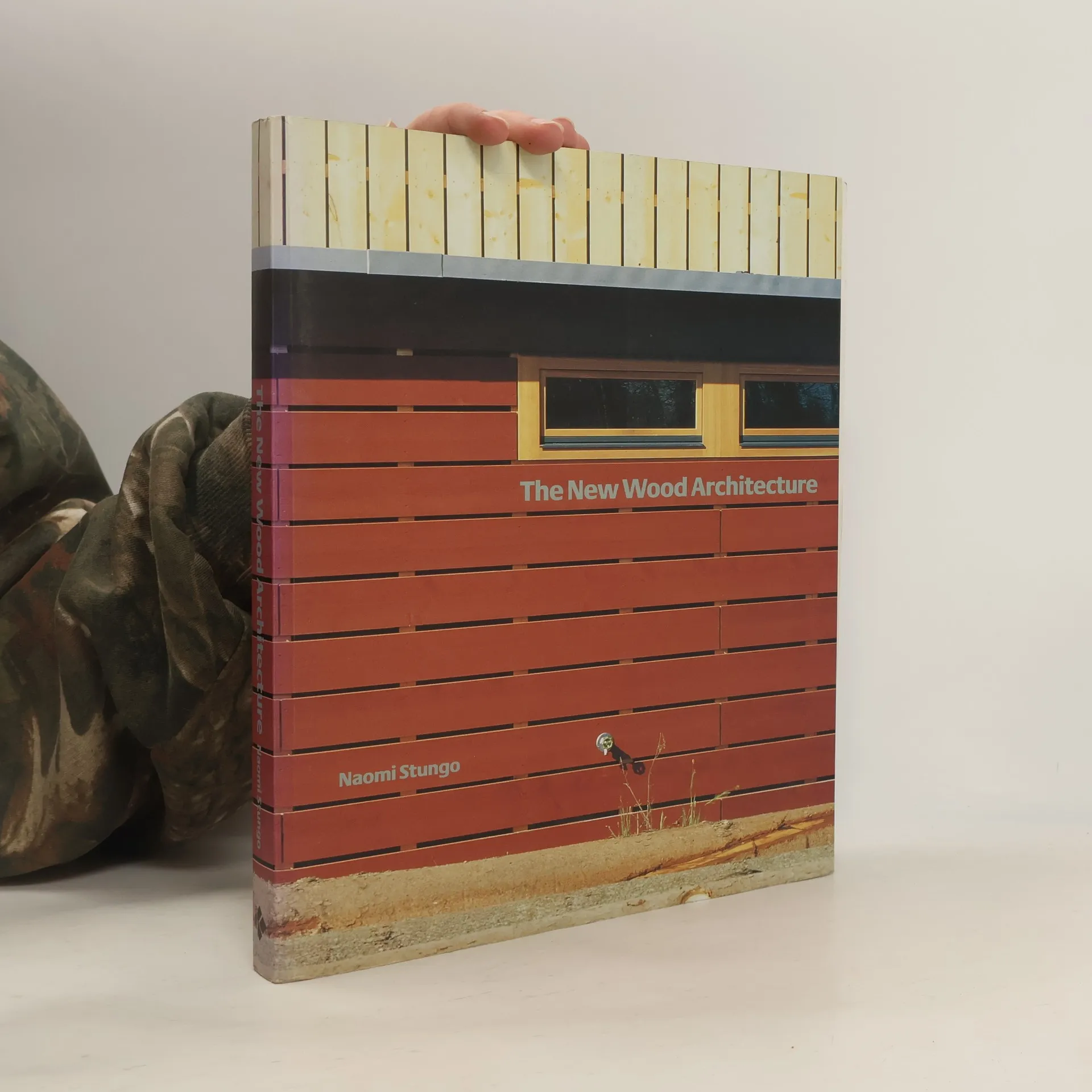
Following on the success of the hardback, this new paperback considers thirty recently completed timber-built schemes by progressive architectural practices. It looks at how the selected buildings have derived their special character from wood, in response to an assortment of intriguing briefs - including an Olympic hall, a textile museum, a painter's studio and a theatre. The author's argument - that wood is the building material of the future - is explored through five chapters, each defining a different aspect of the debate. 'A new style' brings together the work of a generation of forward-looking architects who have rejected the high-tech and deconstructivist aesthetics of their predecessors and are instead using wood to design to the paired down legacy of such mentors as Herzog & de Meuron. 'New technology' looks at how advances in technology have enhanced the ease with which timber can be used as a building material - and shows how architects have employed this to their advantage. 'Green thinking' recounts the ingenious ways in which well thought-out wooden buildings have used wood to blur the boundaries between inside and out - with some startlingly beautiful results. And fi
Compra de libros
The New Wood Architecture, Naomi Stungo, Christoph Affentranger
- Idioma

- Publicado en
- 2001
- Encuadernación
- (Tapa blanda)
Métodos de pago
Nadie lo ha calificado todavía.
- Título
- The New Wood Architecture
- Idioma
- Inglés
- Autores
- Naomi Stungo, Christoph Affentranger
- Editorial
- Laurence King Publishing
- Publicado en
- 2001
- Formato
- Tapa blanda
- Páginas
- 240
- ISBN10
- 1856692590
- ISBN13
- 9781856692595
- Serie
- Etiquetas
- Arquitectura
- Descripción
- Following on the success of the hardback, this new paperback considers thirty recently completed timber-built schemes by progressive architectural practices. It looks at how the selected buildings have derived their special character from wood, in response to an assortment of intriguing briefs - including an Olympic hall, a textile museum, a painter's studio and a theatre. The author's argument - that wood is the building material of the future - is explored through five chapters, each defining a different aspect of the debate. 'A new style' brings together the work of a generation of forward-looking architects who have rejected the high-tech and deconstructivist aesthetics of their predecessors and are instead using wood to design to the paired down legacy of such mentors as Herzog & de Meuron. 'New technology' looks at how advances in technology have enhanced the ease with which timber can be used as a building material - and shows how architects have employed this to their advantage. 'Green thinking' recounts the ingenious ways in which well thought-out wooden buildings have used wood to blur the boundaries between inside and out - with some startlingly beautiful results. And fi