

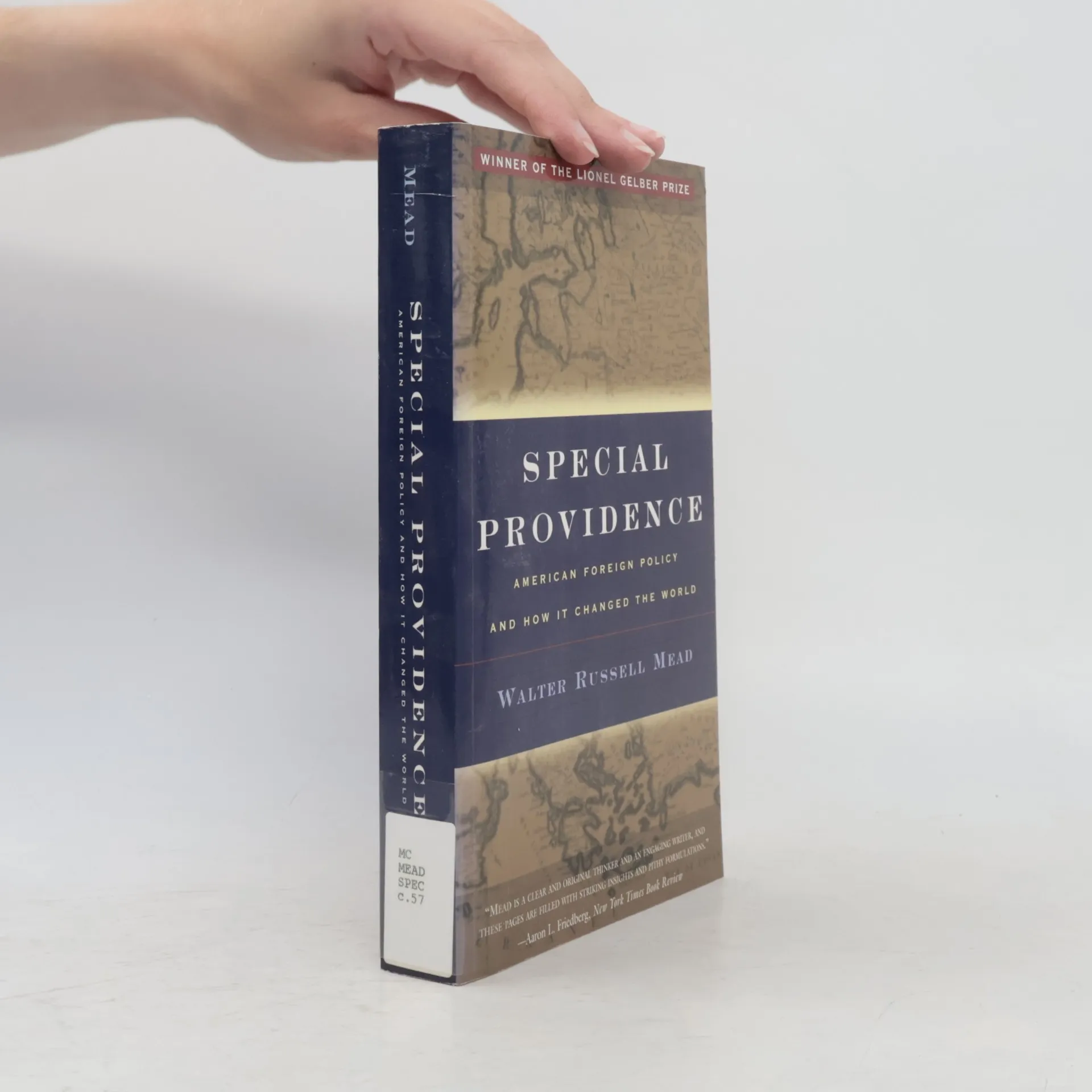

Parámetros
- 400 páginas
- 14 horas de lectura
Más información sobre el libro
"God has a special providence for fools, drunks and the United States of America."--Otto von Bismarck. America's response to the September 11 attacks highlighted its longstanding goals: protecting liberty, securing economic interests, spreading democracy, and vanquishing enemies. Walter Russell Mead, a leading foreign policy thinker, argues that these conflicting impulses are key to the U.S.'s global success. He identifies four historical patterns in American foreign policy, each represented by a significant figure. Wilsonians act as moral missionaries, promoting democracy through international institutions like the U.N. Hamiltonians support international engagement to expand markets and the economy. Populist Jacksonians advocate for a strong military, used sparingly but decisively against adversaries. Jeffersonians prioritize domestic liberty and are wary of large military and international initiatives. Mead's work offers a fresh perspective on America's role in the world, moving beyond outdated debates of realists versus idealists and hawks versus doves, to present a nuanced, historically-informed view of American foreign policy.
Compra de libros
Special Providence, Richard C. Leone, Walter Russell Mead
- Idioma

- Publicado en
- 2002
- Encuadernación
- (Tapa blanda)
Métodos de pago
Nos falta tu reseña aquí
- Título
- Special Providence
- Subtítulo
- American Foreign Policy and How It Changed the World
- Idioma
- Inglés
- Autores
- Richard C. Leone, Walter Russell Mead
- Editorial
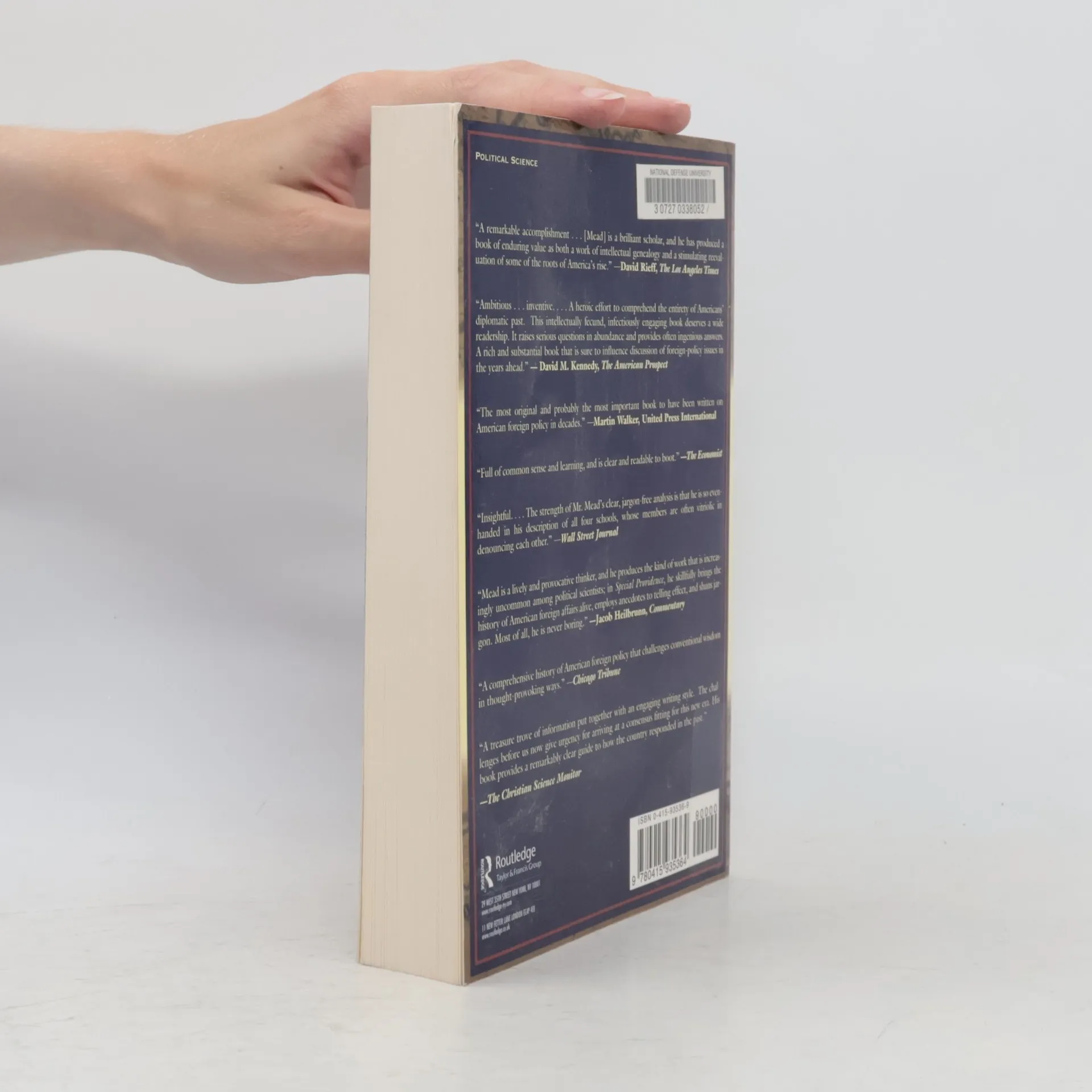
- Routledge
- Publicado en
- 2002
- Formato
- Tapa blanda
- Páginas
- 400
- ISBN10
- 0415935369
- ISBN13
- 9780415935364
- Serie
- Etiquetas
- Tema histórico, Temática filosófica, Política, EE.UU., Literatura americana, Literatura especializada, Teorías Políticas, Historia de EE. UU., Relaciones Internacionales, Bibliotecas, Historia política, Doctrina religiosa
- Calificación
- 4,1 de 5
- Descripción
- "God has a special providence for fools, drunks and the United States of America."--Otto von Bismarck. America's response to the September 11 attacks highlighted its longstanding goals: protecting liberty, securing economic interests, spreading democracy, and vanquishing enemies. Walter Russell Mead, a leading foreign policy thinker, argues that these conflicting impulses are key to the U.S.'s global success. He identifies four historical patterns in American foreign policy, each represented by a significant figure. Wilsonians act as moral missionaries, promoting democracy through international institutions like the U.N. Hamiltonians support international engagement to expand markets and the economy. Populist Jacksonians advocate for a strong military, used sparingly but decisively against adversaries. Jeffersonians prioritize domestic liberty and are wary of large military and international initiatives. Mead's work offers a fresh perspective on America's role in the world, moving beyond outdated debates of realists versus idealists and hawks versus doves, to present a nuanced, historically-informed view of American foreign policy.