

Parámetros
- 118 páginas
- 5 horas de lectura
Más información sobre el libro
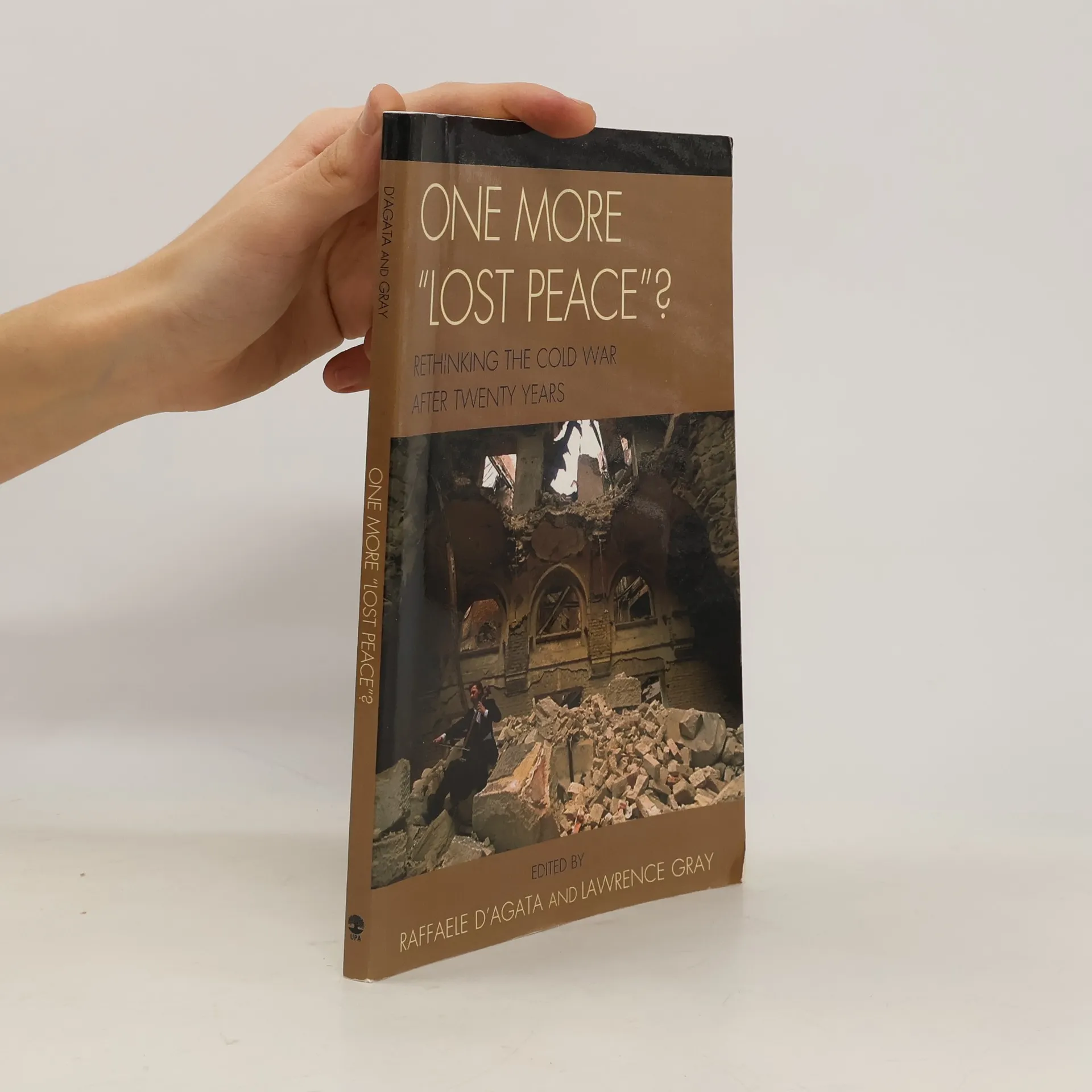
Were there any missed chances to build a more peaceful world than the present one after the Cold War? Were there any attempts at working out a more comprehensive and more cooperative way to overcome it? What was precisely at stake during the Cold War? What was really at stake for the 'losers' and what stakes did the 'winners' gain ―- if there are any 'winners' at all? Those questions were raised during a seminar where some outstanding scholars were invited to discuss them plainly before an audience of young students in an ancient, yet 'peripheral' Italian university. The result may be seen as a readable concentration of basic and meaningful insights that often defy a noticeable amount of conventional wisdom on the ground of careful and authoritative scholarly research.
Compra de libros
One More 'Lost Peace'?, Raffaele D'Agata, Lawrence Gray
- Idioma

- Publicado en
- 2010
- Encuadernación
- (Tapa blanda)
Métodos de pago
Nadie lo ha calificado todavía.
- Título
- One More 'Lost Peace'?
- Subtítulo
- Rethinking the Cold War After Twenty Years
- Idioma
- Inglés
- Autores
- Raffaele D'Agata, Lawrence Gray
- Editorial
- University Press of America
- Publicado en
- 2010
- Formato
- Tapa blanda
- Páginas
- 118
- ISBN10
- 0761853952
- ISBN13
- 9780761853954
- Serie
- Etiquetas
- Tema histórico, EE.UU., Siglo XX, Literatura americana, Europa, Rusia, Historia de Europa, Teorías Políticas, Obras completas, Relaciones Internacionales, Guerra Fría, Geopolítica, Política mundial
- Descripción
- Were there any missed chances to build a more peaceful world than the present one after the Cold War? Were there any attempts at working out a more comprehensive and more cooperative way to overcome it? What was precisely at stake during the Cold War? What was really at stake for the 'losers' and what stakes did the 'winners' gain ―- if there are any 'winners' at all? Those questions were raised during a seminar where some outstanding scholars were invited to discuss them plainly before an audience of young students in an ancient, yet 'peripheral' Italian university. The result may be seen as a readable concentration of basic and meaningful insights that often defy a noticeable amount of conventional wisdom on the ground of careful and authoritative scholarly research.