


Más información sobre el libro
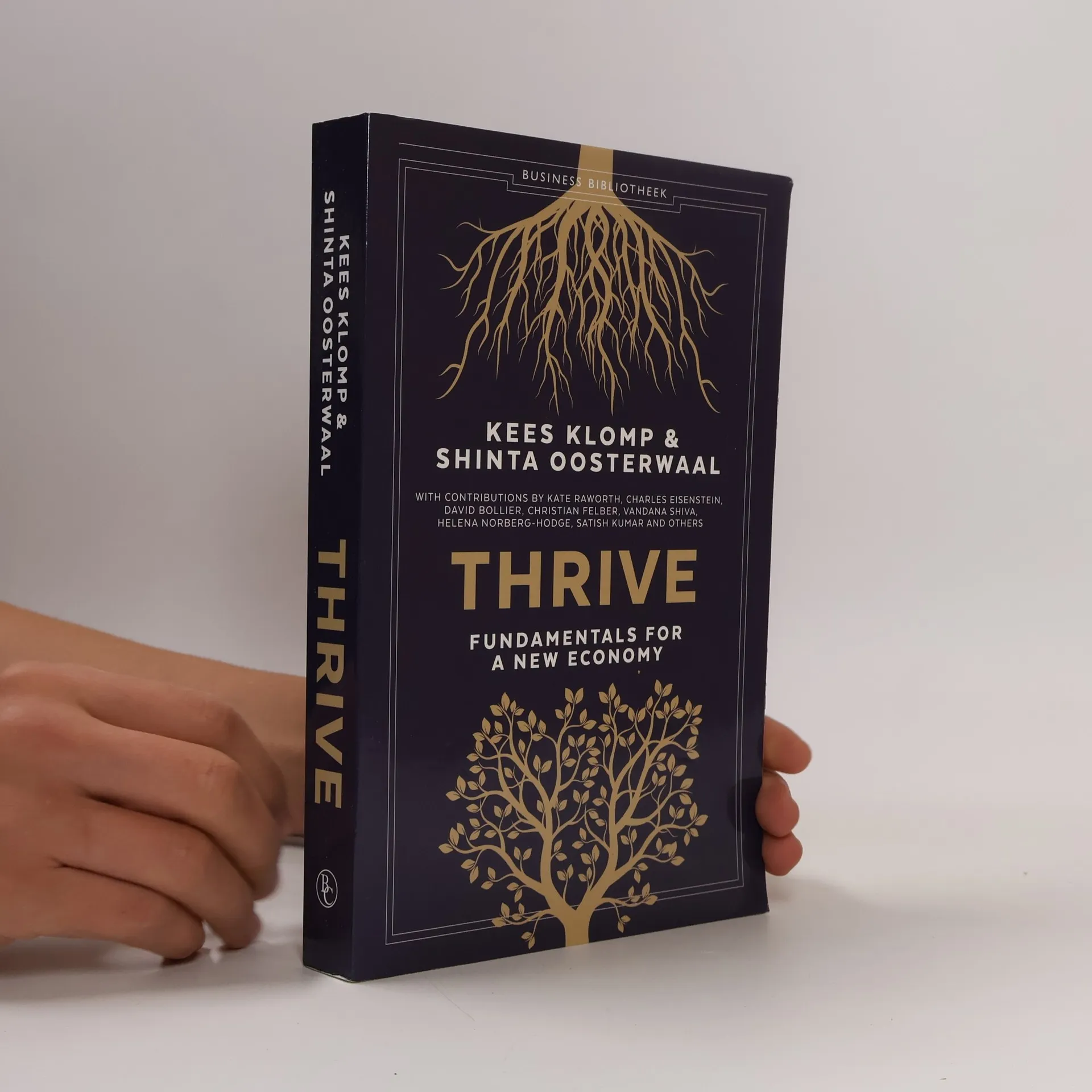
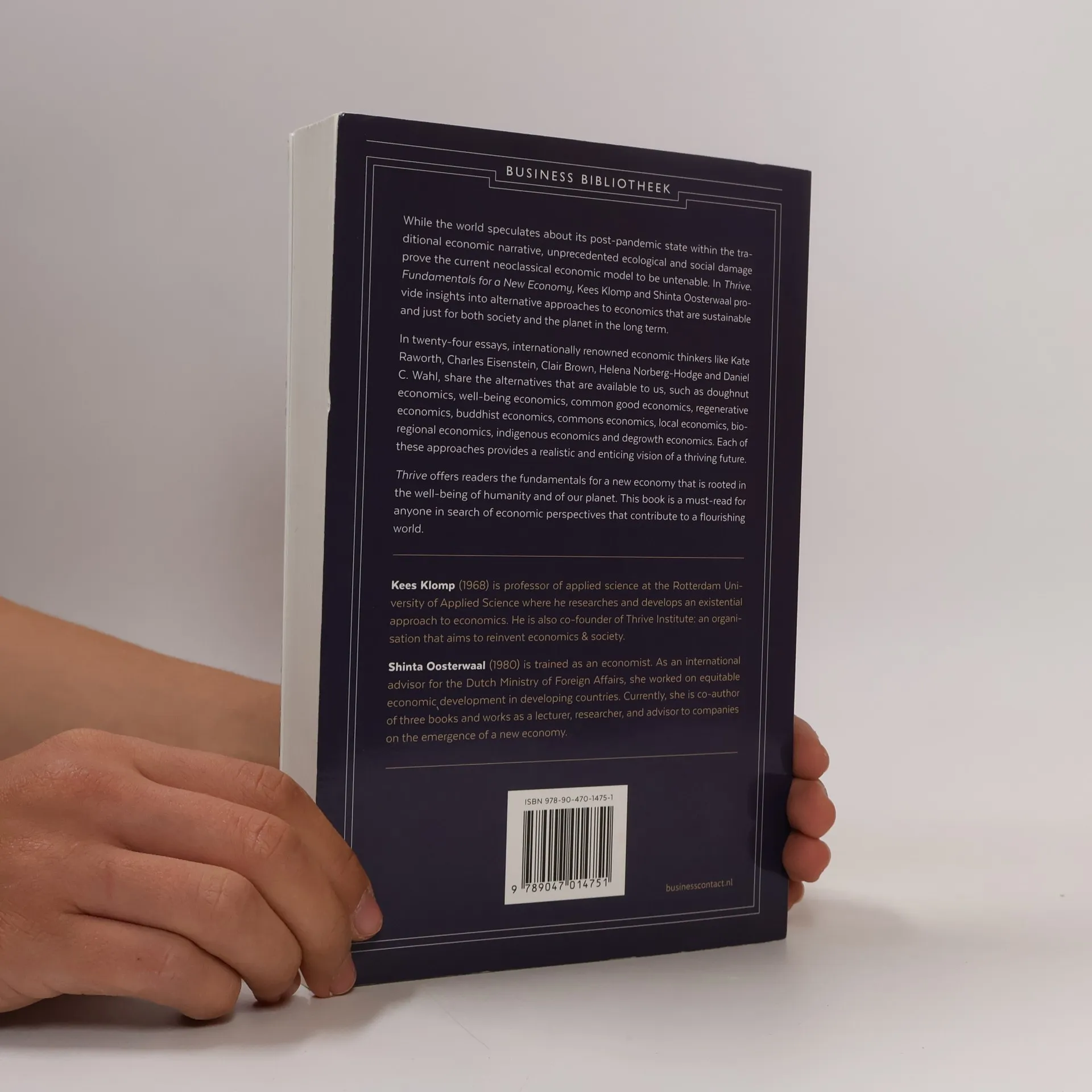
In 'Thrive. Fundamentals for a New Economy', Kees Klomp and Shinta Oosterwaal provide insights into alternative approaches to economics that are sustainable and just for both society and the planet in the long term. In twenty-four essays, internationally renowned economic thinkers like Kate Raworth, Charles Eisenstein, Clair Brown, Helena Norberg-Hodge and Daniel C. Wahl, share the alternatives that are available to us, such as doughnut economics, wellbeing economics, common good economics, regenerative economics, buddhist economics, commons economics, local economics, bioregional economics, indigenous economics and degrowth economics. Each of these approaches provides a realistic and enticing vision of a thriving future. ‘Thrive’ offers readers the fundamentals for a new economy that is rooted in the well-being of humanity and of our planet. This book is a must-read for anyone in search of economic perspectives that contribute to a flourishing world.
Compra de libros
Thrive, Kees Klomp, Shinta Oosterwaal, Kate Raworth, Charles Eisenstein, David Bollier, Christian Felber, Vandana Shiva, Helena Norberg-Hodge, Satiš Kumár
- Idioma

- Publicado en
- 2020
- Encuadernación
- (Tapa blanda)
Métodos de pago
Nos falta tu reseña aquí
- Título
- Thrive
- Subtítulo
- Fundamentals for a New Economy
- Idioma
- Inglés
- Autores
- Kees Klomp, Shinta Oosterwaal, Kate Raworth, Charles Eisenstein, David Bollier, Christian Felber, Vandana Shiva, Helena Norberg-Hodge, Satiš Kumár
- Editorial
- Atlas-Contact
- Publicado en
- 2020
- Formato
- Tapa blanda
- Páginas
- 428
- ISBN10
- 9047014758
- ISBN13
- 9789047014751
- Serie
- Categorías
- Etiquetas
- Comercio, Teorías científicas, Sostenibilidad, Macroeconomía
- Calificación
- 4,05 de 5
- Descripción
- In 'Thrive. Fundamentals for a New Economy', Kees Klomp and Shinta Oosterwaal provide insights into alternative approaches to economics that are sustainable and just for both society and the planet in the long term. In twenty-four essays, internationally renowned economic thinkers like Kate Raworth, Charles Eisenstein, Clair Brown, Helena Norberg-Hodge and Daniel C. Wahl, share the alternatives that are available to us, such as doughnut economics, wellbeing economics, common good economics, regenerative economics, buddhist economics, commons economics, local economics, bioregional economics, indigenous economics and degrowth economics. Each of these approaches provides a realistic and enticing vision of a thriving future. ‘Thrive’ offers readers the fundamentals for a new economy that is rooted in the well-being of humanity and of our planet. This book is a must-read for anyone in search of economic perspectives that contribute to a flourishing world.