

Más información sobre el libro
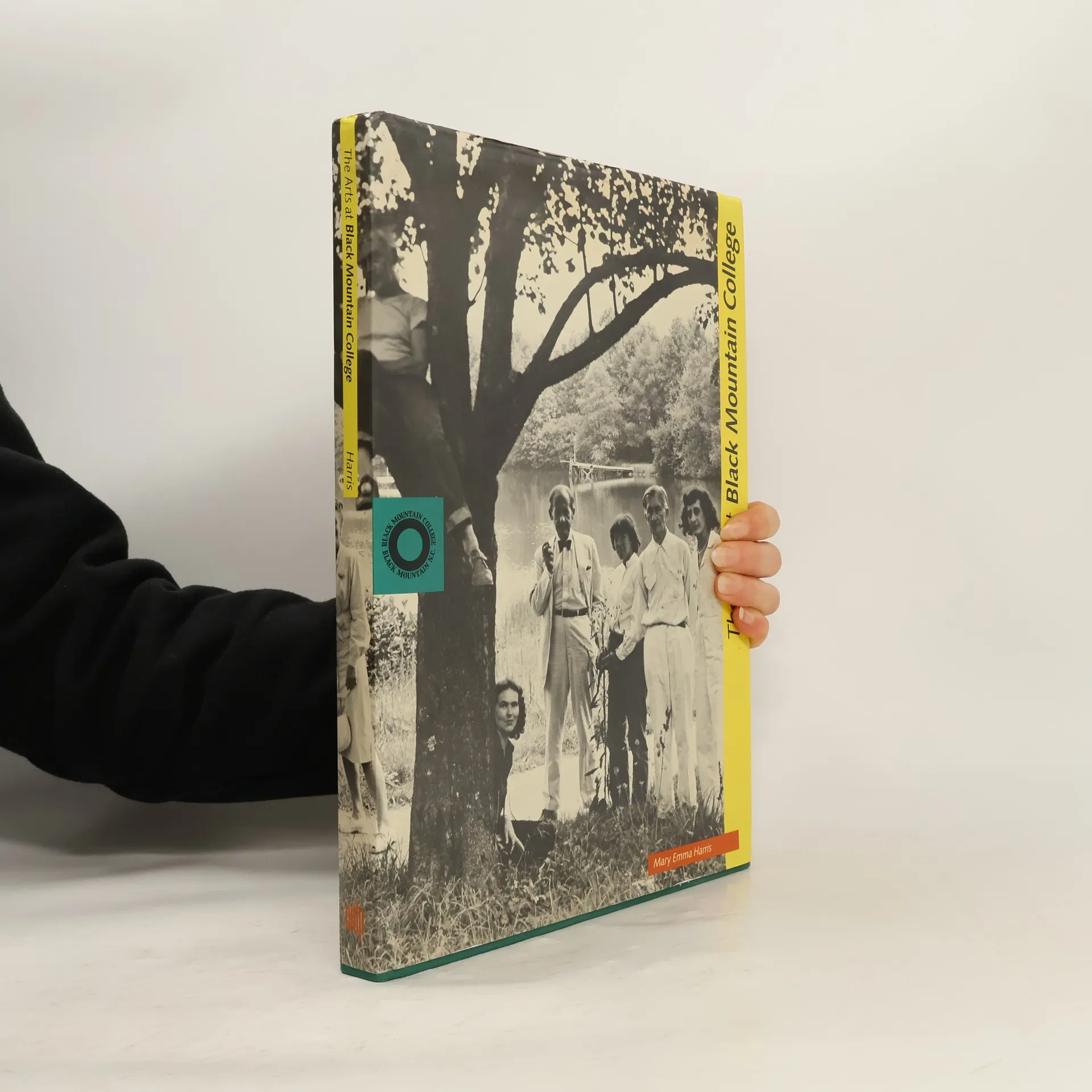
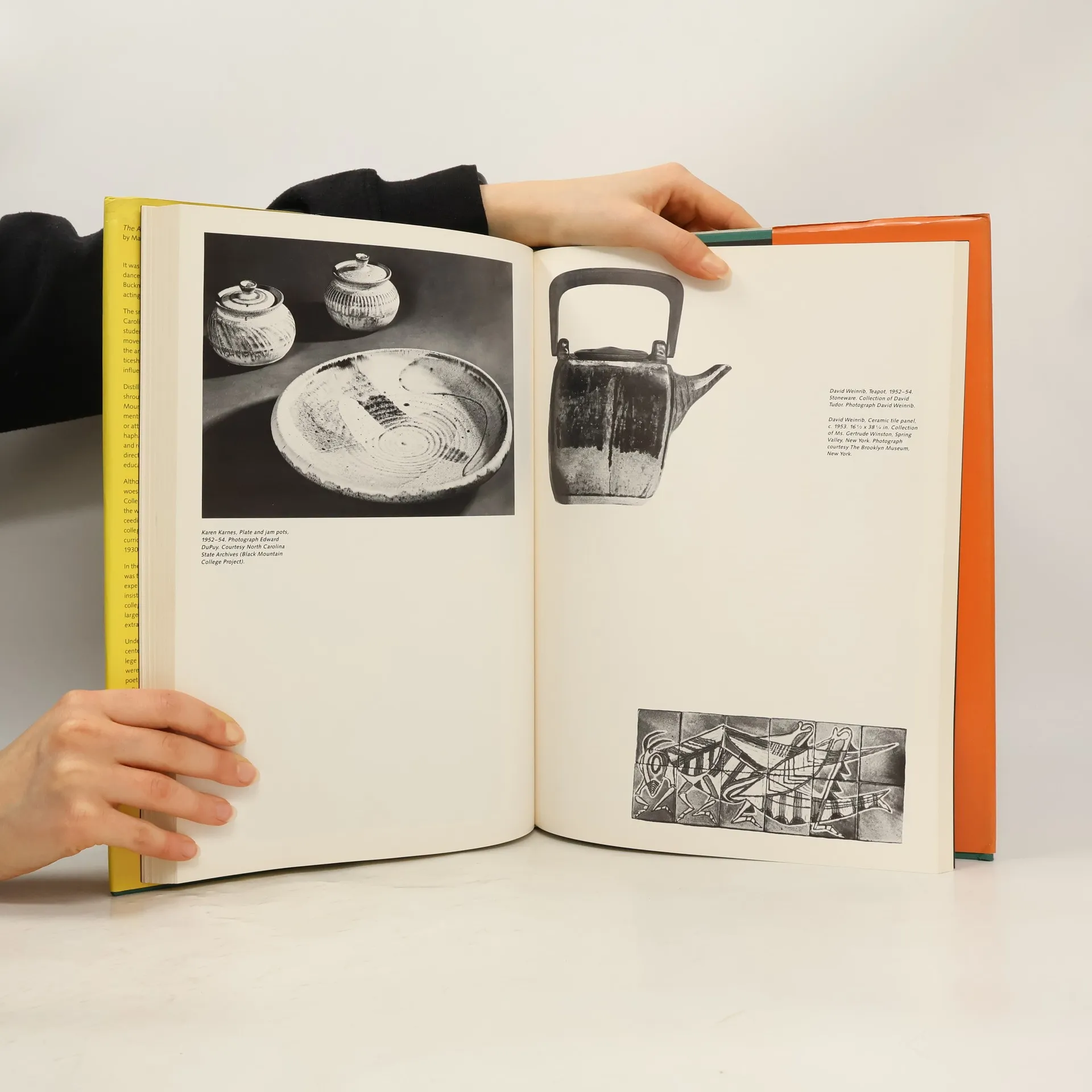
"Launched in the depths of the Depression, Black Mountain College had fewer than 1300 pupils over its 24-year lifespan. Yet this haven of experimentation in the North Carolina hills counted among its students and faculty Franz Kline, Walter Gropius, Josef Albers, Charles Olson, Robert Creeley, Robert De Niro, Buckminster Fuller, Merce Cunningham and Willem de Kooning, among others. Based on some 300 interviews as well as primary sources, this revealing study by an art historian traces the school's evolution from a small, innovative liberal arts college with a general curriculum to a creative community of practicing artists. Despite bitter internal conflicts and a certain insularity, Black Mountain risked constant financial worries to maintain a democratic openness and willingness to ``let things happen.'' This attractively illustrated chronicle documents the gamut of creativity, from painting to weaving, ceramics, dance, graphic arts and photography."--Alibris.
Compra de libros
The Arts at Black Mountain College, Mary Emma Harris
- Idioma

- Publicado en
- 1987
- Encuadernación
- (Tapa dura)
Métodos de pago
Nadie lo ha calificado todavía.
- Título
- The Arts at Black Mountain College
- Idioma
- Inglés
- Autores
- Mary Emma Harris
- Editorial
- MIT Press
- Publicado en
- 1987
- Formato
- Tapa dura
- Páginas
- 314
- ISBN10
- 026208161X
- ISBN13
- 9780262081610
- Serie
- Etiquetas
- Arte, EE.UU., Educación, Carolina del Norte, Montaña Negra
- Descripción
- "Launched in the depths of the Depression, Black Mountain College had fewer than 1300 pupils over its 24-year lifespan. Yet this haven of experimentation in the North Carolina hills counted among its students and faculty Franz Kline, Walter Gropius, Josef Albers, Charles Olson, Robert Creeley, Robert De Niro, Buckminster Fuller, Merce Cunningham and Willem de Kooning, among others. Based on some 300 interviews as well as primary sources, this revealing study by an art historian traces the school's evolution from a small, innovative liberal arts college with a general curriculum to a creative community of practicing artists. Despite bitter internal conflicts and a certain insularity, Black Mountain risked constant financial worries to maintain a democratic openness and willingness to ``let things happen.'' This attractively illustrated chronicle documents the gamut of creativity, from painting to weaving, ceramics, dance, graphic arts and photography."--Alibris.