

Valoración del libro
Parámetros
- 318 páginas
- 12 horas de lectura
Más información sobre el libro
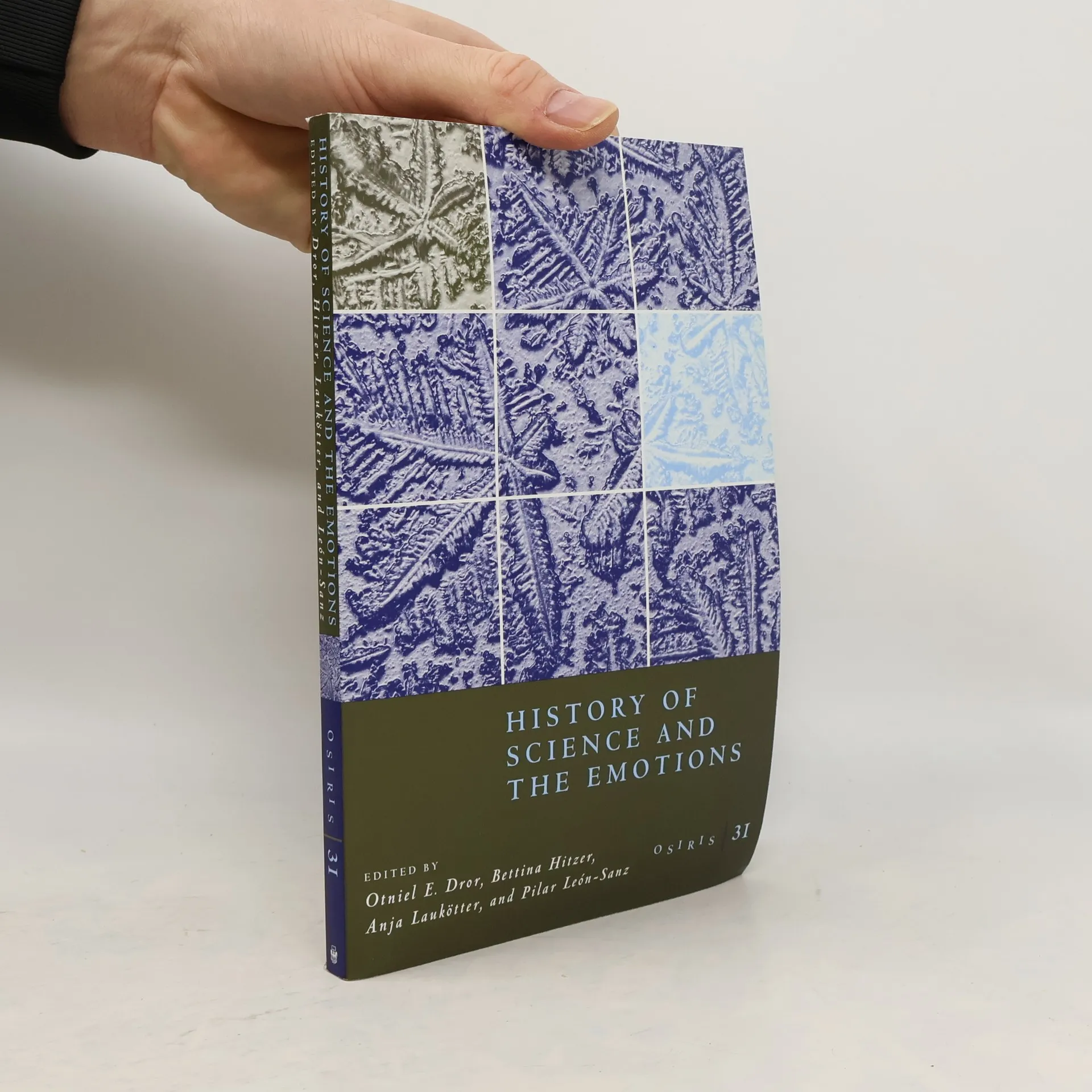
What new insights become available for historians when emotions are included as an analytical category? This volume of Osiris explores the historical interrelationships between science and its cultures and cultures of emotions. It argues that a dialogue between the history of emotions and the history of science leads to a rethinking of our categories of analysis, our subjects, and our periodizations. The ten case studies in the volume explore these possibilities and interrelationships across North America and Europe, between the twelfth and the twentieth centuries, in a variety of scientific disciplines. They analyze how scientific communities approached and explained the functions of emotions; how the concomitant positioning of emotions in or between body-mind-intersubjectivity took place; how emotions infused practices and how practices generated emotions; and, ultimately, how new and emerging identities of and criteria for emotions created new knowledge, new technologies, and new subjectivities.
Compra de libros
Osiris, Volume 31, Autores varios
- Idioma

- Publicado en
- 2017
- Encuadernación
- (Tapa blanda)
Métodos de pago
Nos falta tu reseña aquí
- Título
- Osiris, Volume 31
- Subtítulo
- History of Science and the Emotions
- Idioma
- Inglés
- Autores
- Autores varios
- Editorial
- University of Chicago Press Journals
- Publicado en
- 2017
- Formato
- Tapa blanda
- Páginas
- 318
- ISBN10
- 022639204X
- ISBN13
- 9780226392042
- Serie
- Etiquetas
- Ciencia, Emociones, Historia Cultural, Historia de la Ciencia
- Calificación
- 5 de 5
- Descripción
- What new insights become available for historians when emotions are included as an analytical category? This volume of Osiris explores the historical interrelationships between science and its cultures and cultures of emotions. It argues that a dialogue between the history of emotions and the history of science leads to a rethinking of our categories of analysis, our subjects, and our periodizations. The ten case studies in the volume explore these possibilities and interrelationships across North America and Europe, between the twelfth and the twentieth centuries, in a variety of scientific disciplines. They analyze how scientific communities approached and explained the functions of emotions; how the concomitant positioning of emotions in or between body-mind-intersubjectivity took place; how emotions infused practices and how practices generated emotions; and, ultimately, how new and emerging identities of and criteria for emotions created new knowledge, new technologies, and new subjectivities.