

Parámetros
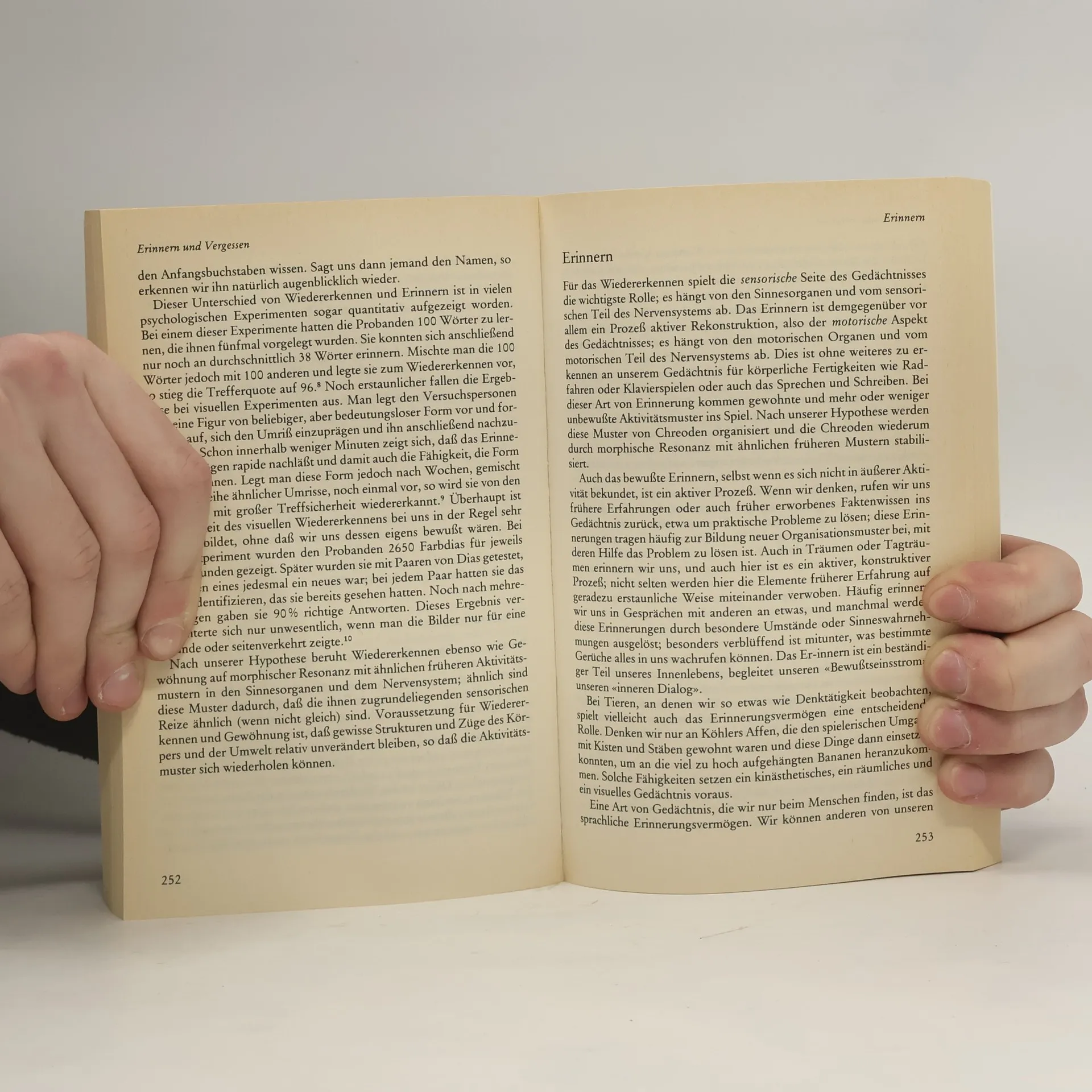
- 447 páginas
- 16 horas de lectura
Más información sobre el libro
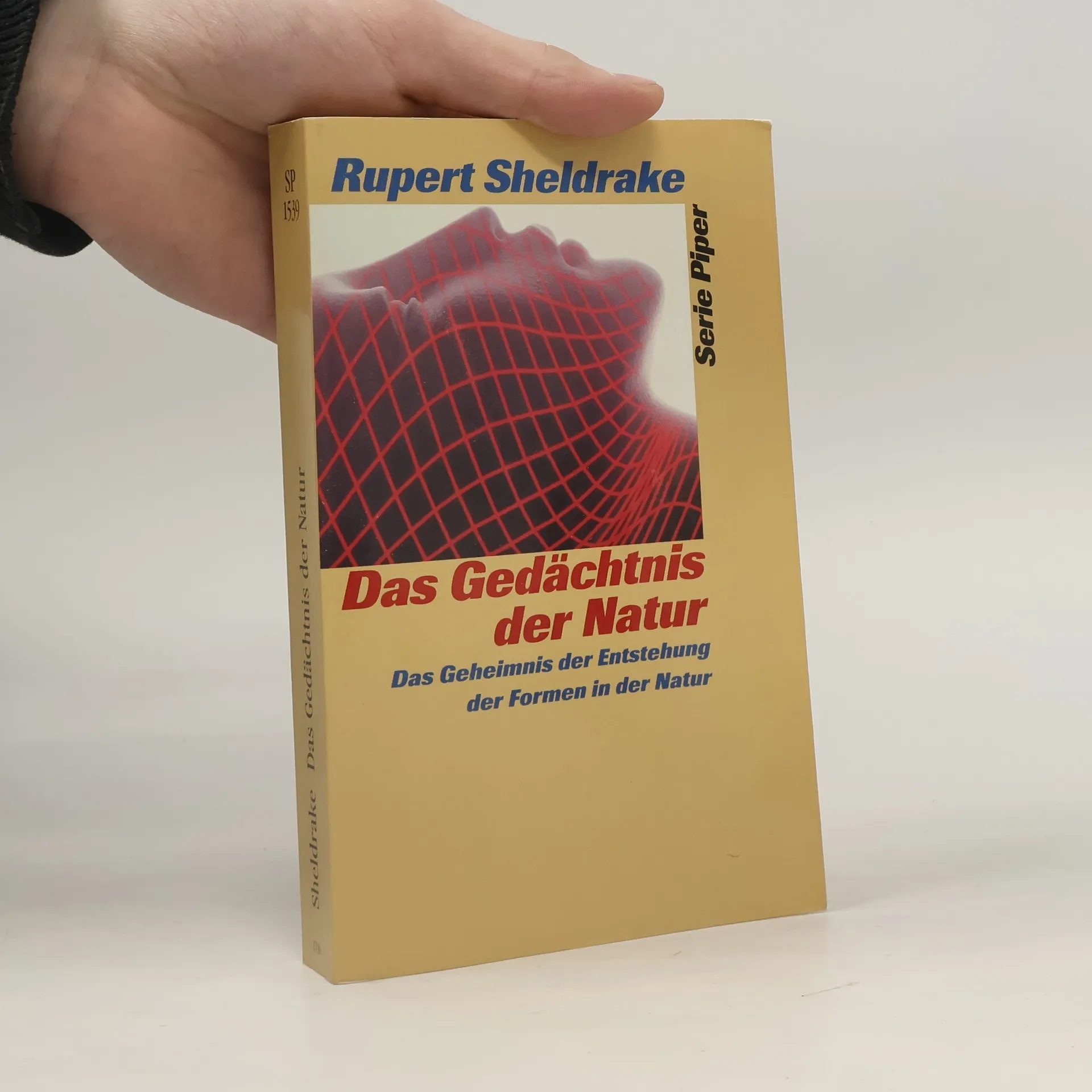
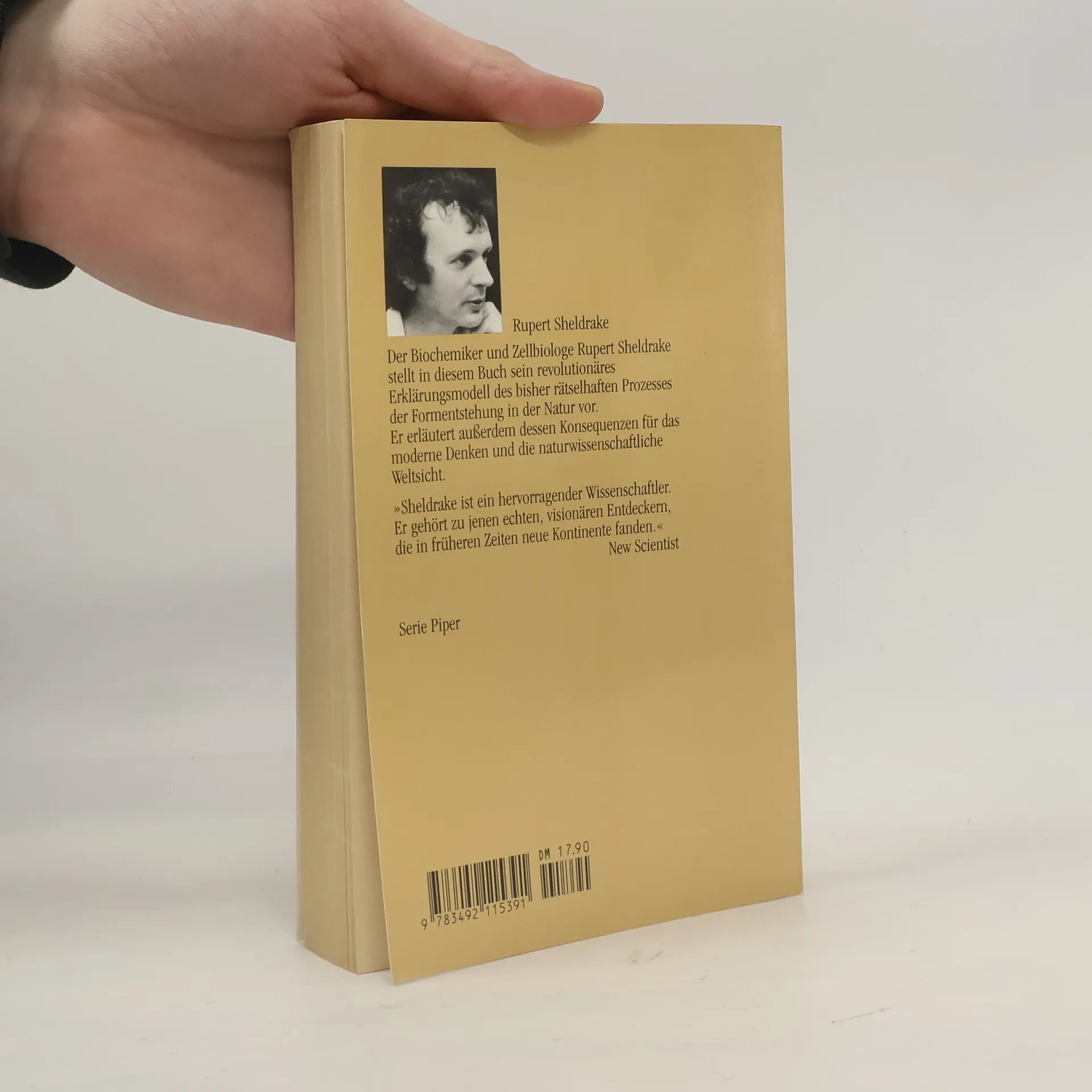
In this revised edition, Cambridge biologist Rupert Sheldrake presents new evidence supporting his controversial theory of morphic resonance, examining its implications across biology, chemistry, physics, psychology, and sociology. His theory suggests that all self-organizing systems, from crystals to human societies, inherit a collective memory that shapes their form and behavior through morphic fields. These fields organize the bodies of living organisms, coordinate brain activities, and underpin conscious thought. Sheldrake argues that humans tap into and contribute to a collective memory, with individual recollections relying on morphic resonance rather than mere brain storage. He highlights morphic resonance's role in animal instincts, cultural inheritance, and evolution, proposing that evolution is driven more by habit and creativity than by survival of the fittest. By challenging the mechanistic worldview that has dominated biology since the 19th century, Sheldrake offers a new perspective on life, matter, and mind, suggesting that nature is fundamentally habitual. He emphasizes the need to abandon outdated thought patterns to thrive in a world influenced by both past and future. RUPERT SHELDRAKE, Ph.D., is a former research fellow of the Royal Society and has authored numerous technical papers and books. He resides in London.


Compra de libros
Das Gedächtnis der Natur, Rupert Sheldrake
- Idioma

- Publicado en
- 1993
- product-detail.submit-box.info.binding
- (Tapa blanda),
- Estado del libro
- Bueno
- Precio
- 5,99 €
Métodos de pago
Nos falta tu reseña aquí