

Parámetros
- 96 páginas
- 4 horas de lectura
Más información sobre el libro
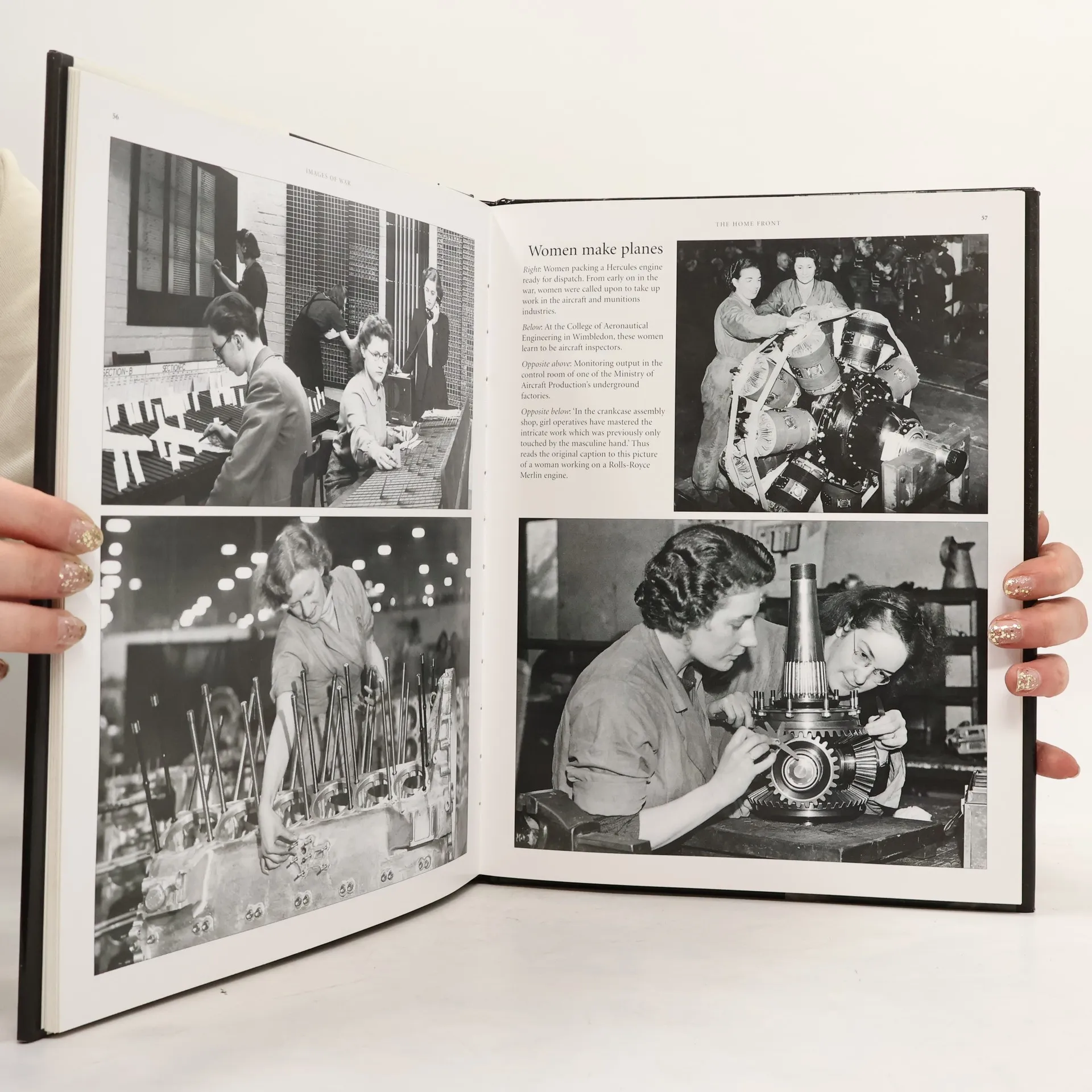
As of eleven o'clock this morning, Britain is at war with Germany. Neville Chamberlain's announcement on September 3, 1939, confirmed widespread fears about the conflict's inevitability. What remained uncertain was the war's duration and the extent to which the British population would need to engage in the effort. Life quickly transformed into a relentless struggle, with everyone—men, women, and children—contributing to the war effort. Manufacturing shifted entirely to war production, leaving little for domestic needs. By January 1940, food shortages necessitated rationing, and efforts to increase domestic food production intensified due to the risks of importing supplies. Just a week after Chamberlain's address, British troops were dispatched to France, consisting of well-trained yet poorly equipped soldiers, later joined by conscripts. Families faced the emotional toll of separation and the fear of losing loved ones while grappling with a dwindling workforce and the need for increased armament production. This situation prompted the mobilization of women into various forms of war work. Children's lives were similarly disrupted, with evacuations implemented to protect them from potential aerial bombardments. Although initial bombing was minimal, the onset of the Blitz a year later exposed British civilians to unprecedented attacks. The nation itself became the front line, with every citizen playing a crucial role in defen
Compra de libros
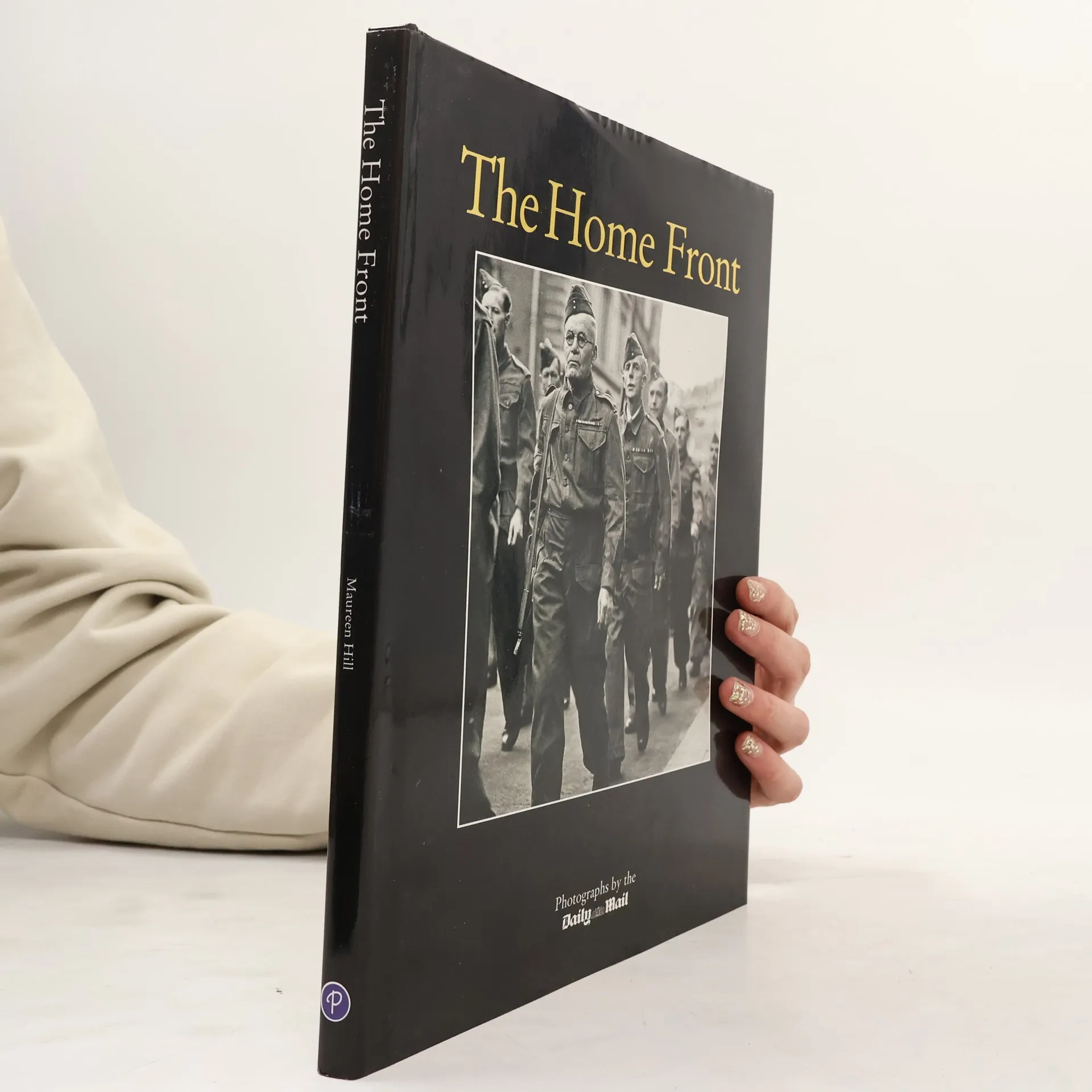
The Home Front, Maureen Hill, Joel Rosenberg, The Daily Mail
- Idioma

- Publicado en
- 2003
- Encuadernación
- (Tapa dura)
Métodos de pago
Nos falta tu reseña aquí
- Título
- The Home Front
- Idioma
- Inglés
- Autores
- Maureen Hill, Joel Rosenberg, The Daily Mail
- Editorial
- Parragon
- Publicado en
- 2003
- Formato
- Tapa dura
- Páginas
- 96
- ISBN10
- 144540849X
- ISBN13
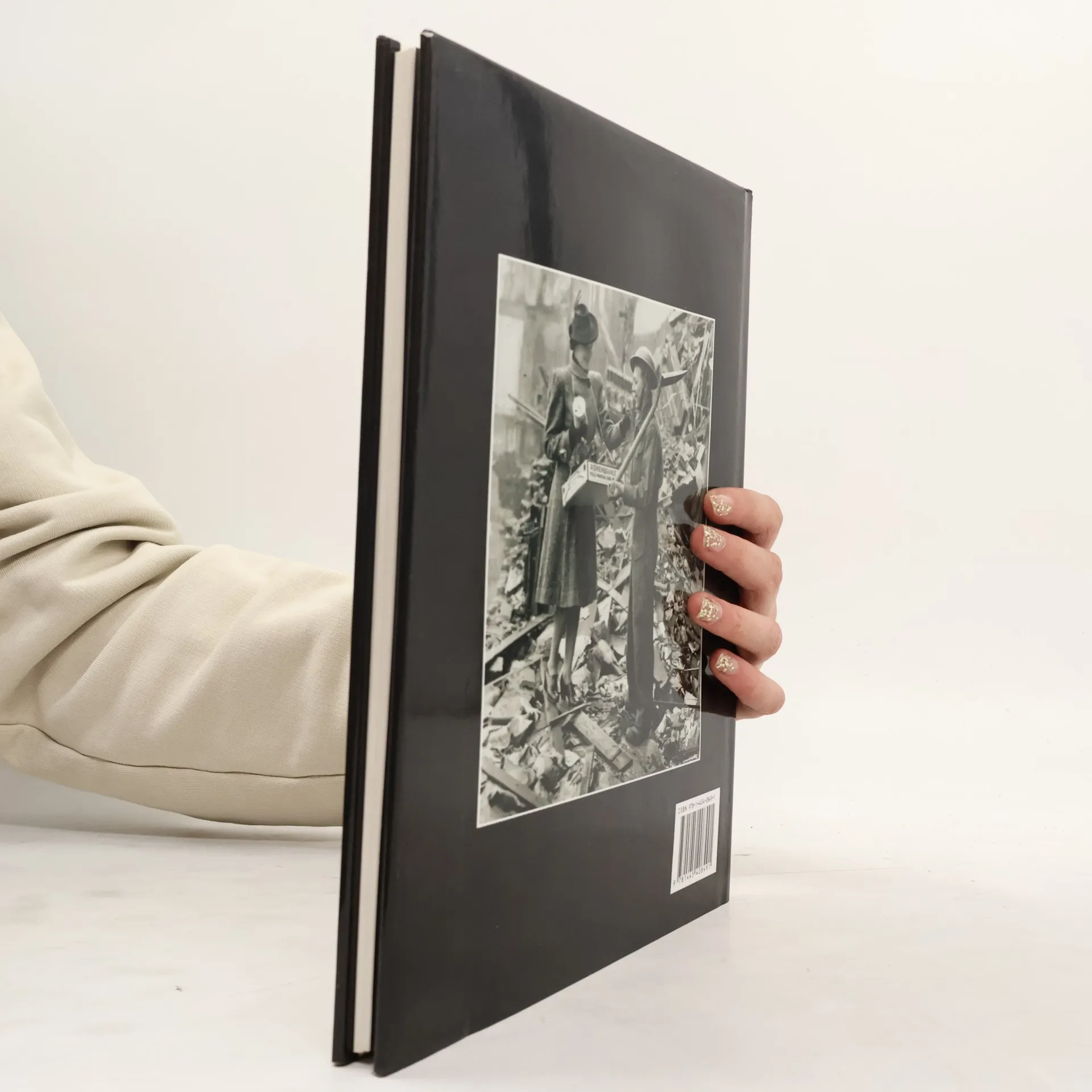
- 9781445408491
- Serie
- Categorías
- Etiquetas
- Segunda Guerra Mundial, Problemas sociales
- Calificación
- 3,6 de 5
- Descripción
- As of eleven o'clock this morning, Britain is at war with Germany. Neville Chamberlain's announcement on September 3, 1939, confirmed widespread fears about the conflict's inevitability. What remained uncertain was the war's duration and the extent to which the British population would need to engage in the effort. Life quickly transformed into a relentless struggle, with everyone—men, women, and children—contributing to the war effort. Manufacturing shifted entirely to war production, leaving little for domestic needs. By January 1940, food shortages necessitated rationing, and efforts to increase domestic food production intensified due to the risks of importing supplies. Just a week after Chamberlain's address, British troops were dispatched to France, consisting of well-trained yet poorly equipped soldiers, later joined by conscripts. Families faced the emotional toll of separation and the fear of losing loved ones while grappling with a dwindling workforce and the need for increased armament production. This situation prompted the mobilization of women into various forms of war work. Children's lives were similarly disrupted, with evacuations implemented to protect them from potential aerial bombardments. Although initial bombing was minimal, the onset of the Blitz a year later exposed British civilians to unprecedented attacks. The nation itself became the front line, with every citizen playing a crucial role in defen