

Parámetros
- 248 páginas
- 9 horas de lectura
Más información sobre el libro
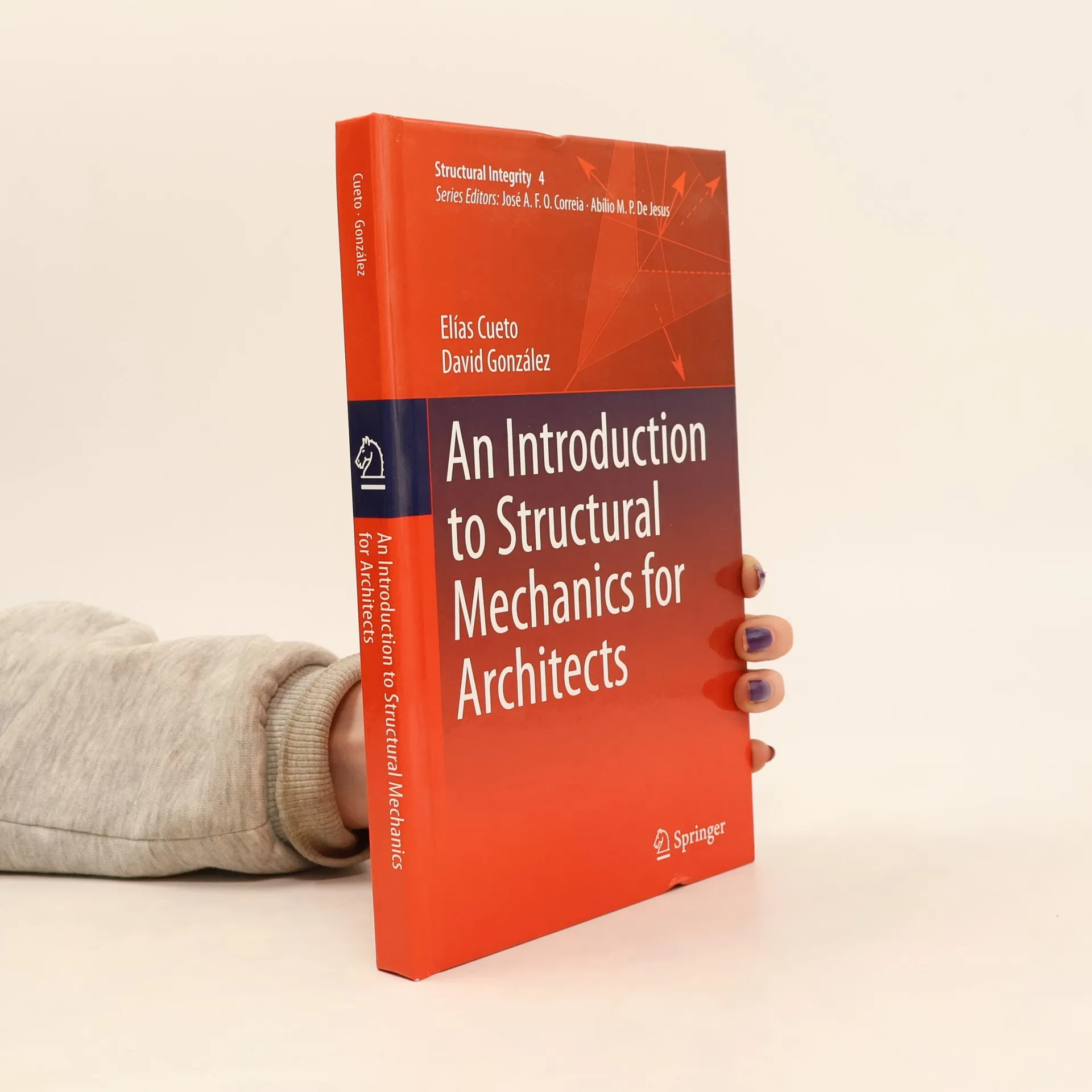
This textbook offers an introductory course to structural mechanics for architects, including problems and solutions. It follows a completely different approach to structural mechanics than the structural mechanics books for engineering schools, making it much more attractive for architecture students and practitioners. It also offers a different point of view for engineering students, as it provides them with a more intuitive understanding of structural mechanics and the models therein.Instead of studying the classical theory of linear elasticity and then particularize it to simple structures, this book analyzes structures in a historic and also typological order. The books starts with cable structures and stone arches, followed by trusses and, finally, frame structures made of beams. For every typology, the latest, state-of-the-art theory in the field is introduced in a very didactic way.
Compra de libros
An Introduction to Structural Mechanics for Architects, David Gonzalez, Elias Cueto, José A. F. O. Correia, Abilio M. P. De Jesus
- Idioma

- Publicado en
- 2018
- Encuadernación
- (Tapa dura)
Métodos de pago
Nadie lo ha calificado todavía.
- Título
- An Introduction to Structural Mechanics for Architects
- Idioma
- Inglés
- Editorial
- Springer
- Publicado en
- 2018
- Formato
- Tapa dura
- Páginas
- 248
- ISBN10
- 3319729349
- ISBN13
- 9783319729343
- Serie
- Categorías
- Etiquetas
- Arquitectura, Ciencia, Tecnología, Ingeniería, Mecánica
- Descripción
- This textbook offers an introductory course to structural mechanics for architects, including problems and solutions. It follows a completely different approach to structural mechanics than the structural mechanics books for engineering schools, making it much more attractive for architecture students and practitioners. It also offers a different point of view for engineering students, as it provides them with a more intuitive understanding of structural mechanics and the models therein.Instead of studying the classical theory of linear elasticity and then particularize it to simple structures, this book analyzes structures in a historic and also typological order. The books starts with cable structures and stone arches, followed by trusses and, finally, frame structures made of beams. For every typology, the latest, state-of-the-art theory in the field is introduced in a very didactic way.