


Más información sobre el libro
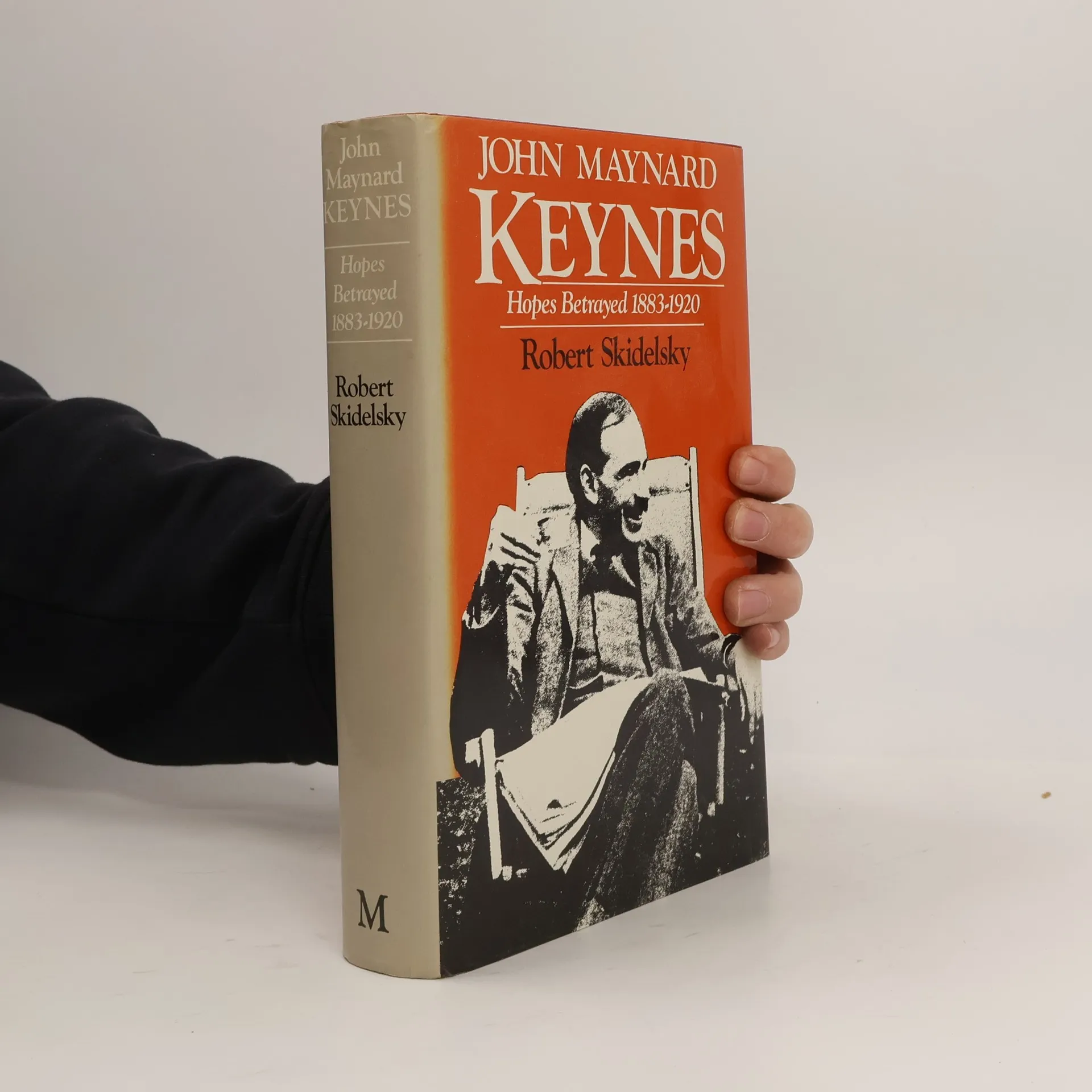
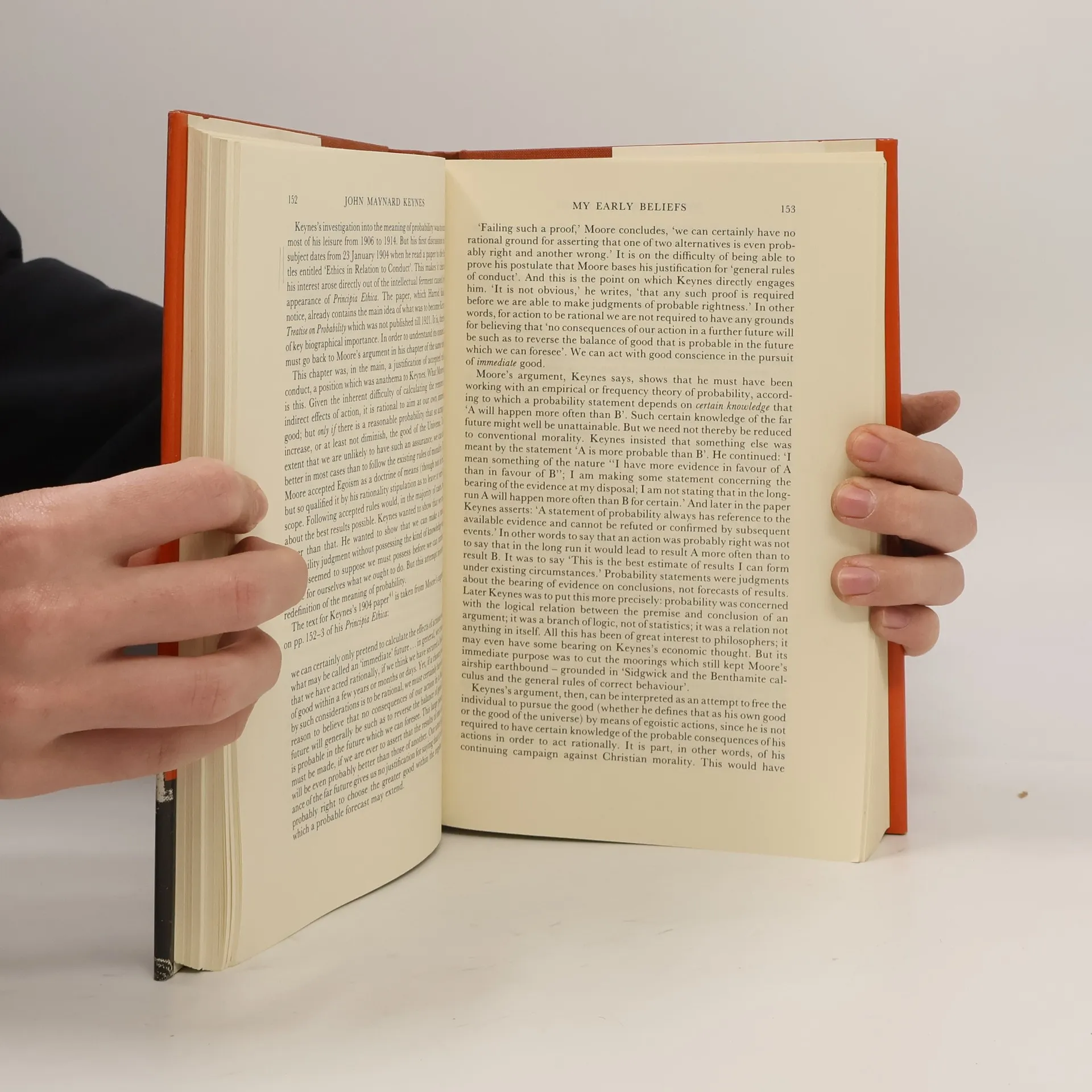
This first volume of Robert Skidelsky's masterly exposition of the life and ideas of the great economist-statesman tells how a remarkable man came to concern himself with the practical problems of his age, and to exert a profound influence upon them. It is the richness of Keynes's nature and his gifts which both explains his ultimate achievement and gives the story its underlying tension, for Keynes was always torn between the claims of friendship, beauty and philosophy and the demands of the public arena, and never wholly succeeded in integrating the 'aesthetic' and 'managerial' sides of his personality. But what is made clear in this skillful narrative is Keynes's extraordinary alertness of mind and spirit, which enabled him to live many lives without appearing hurried in any of them. As a schoolboy he was unruffled by his father's obsessive concern with every detail of his education. At Cambridge he came under the influence of G. E. Moore and the generation that rejected Victorian religion and its paternalistic ethics and believed that the only worthwhile things were good states of mind. Skidelsky describes Keynes's relationships with the Cambridge Apostles and his Bloomsbury friends, both of which are sources for important material relating not only to his life, but his thought. Skidelsky shows what Keynes's attitude to friends like Lytton Strachey and Duncan Grant really was, as well as elucidating his view of the conduct of the Great War. Details of his early reflections on probability and economics as well as conscientious objection are brought to life. In <i>Hopes Betrayed</i> we also see how his practical experience at the India Office and the Treasury, coupled with the critical attitude of his friends, prepared him to look at economic problems with a fresh eye. It concludes with the most important event of Keynes's life up to that point: the Paris Peace Conference and his writing of <i>The Economic Consequences of the Peace</i>, which effectively committed him to abandoning Moore's ivory tower and applying all his formidable intelligence and energy to overcoming the threats to the 'possibility of civilisation' created by the war.
Compra de libros
John Maynard Keynes, Robert Jacob Alexander Skidelsky
- Idioma

- Publicado en
- 1983
- product-detail.submit-box.info.binding
- (Tapa dura)
Métodos de pago
Nadie lo ha calificado todavía.