



Parámetros
- 207 páginas
- 8 horas de lectura
Más información sobre el libro
What is the meaning of East Asia for East Asian scholars and intellectuals? In the 19th century they began visualising the formation of an East Asian community, yet continue to be disappointed by persisting disputes about history and territories. Unrelentingly they pursue their dreams and struggle their way through the dichotomies of East and West as well as of tradition and modernity. This book deals with the cognitive significance of East Asian discourses on East Asia. Where do they differ from Western discourse on East Asia? What is the role of Occidentalism in East Asian discourses? What is the importance of Confucian thought, in particular Confucian concepts of security and the State, in modern discourses? What is the perception of the relationship between the nation state and East Asia as a region? Along such issues in this book an effort is made to capture some aspects and basic traits of East Asian thought and its discourses.
Compra de libros
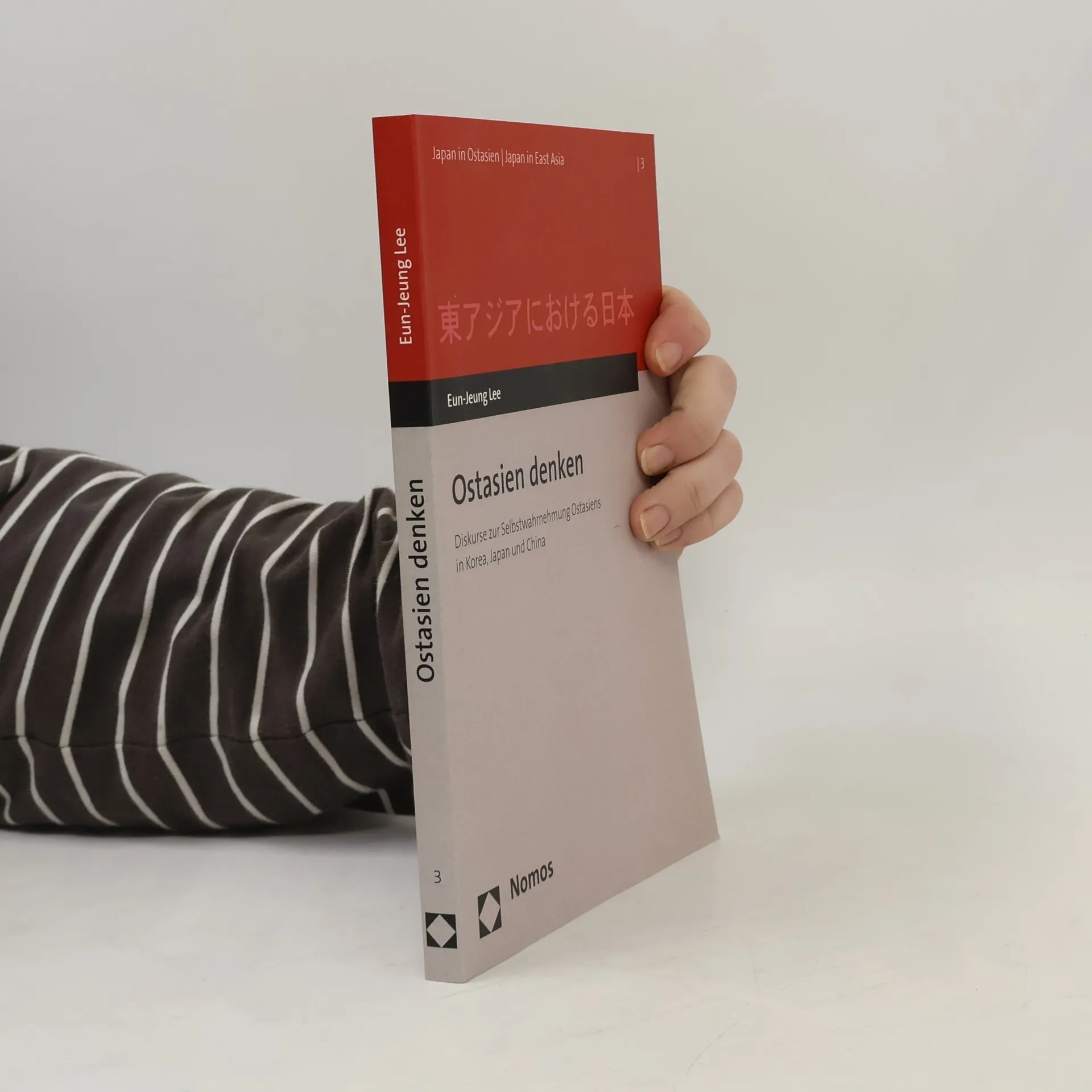
Japan in Ostasien - 3: Ostasien denken, Eun-Jeung Lee
- Idioma

- Publicado en
- 2014
- Encuadernación
- (Tapa blanda)
Métodos de pago
Nadie lo ha calificado todavía.
- Título
- Japan in Ostasien - 3: Ostasien denken
- Subtítulo
- Diskurse zur Selbstwahrnehmung Ostasiens in Korea, Japan und China
- Idioma
- Alemán
- Autores
- Eun-Jeung Lee
- Editorial
- Nomos
- Publicado en
- 2014
- Formato
- Tapa blanda
- Páginas
- 207
- ISBN10
- 3848714833
- ISBN13
- 9783848714834
- Serie
- Etiquetas
- Otros libros de texto, Política, Alemania, Cultura y Sociedad, Japón, Historia del siglo XX, Corea, Corea del Sur, Lejano Oriente, Confucianismo, Asia Oriental, Autocracia
- Descripción
- What is the meaning of East Asia for East Asian scholars and intellectuals? In the 19th century they began visualising the formation of an East Asian community, yet continue to be disappointed by persisting disputes about history and territories. Unrelentingly they pursue their dreams and struggle their way through the dichotomies of East and West as well as of tradition and modernity. This book deals with the cognitive significance of East Asian discourses on East Asia. Where do they differ from Western discourse on East Asia? What is the role of Occidentalism in East Asian discourses? What is the importance of Confucian thought, in particular Confucian concepts of security and the State, in modern discourses? What is the perception of the relationship between the nation state and East Asia as a region? Along such issues in this book an effort is made to capture some aspects and basic traits of East Asian thought and its discourses.