

Valoración del libro
Más información sobre el libro
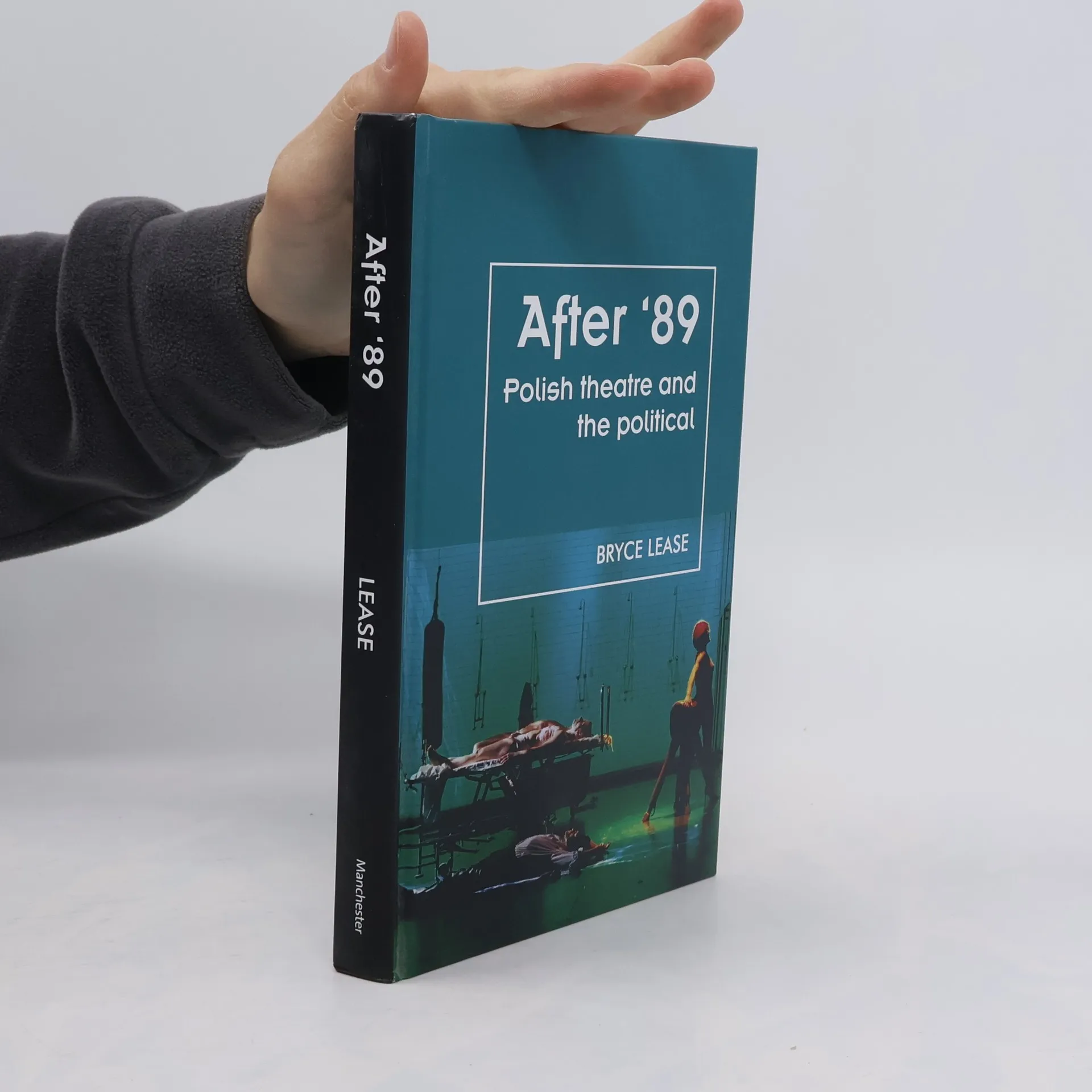
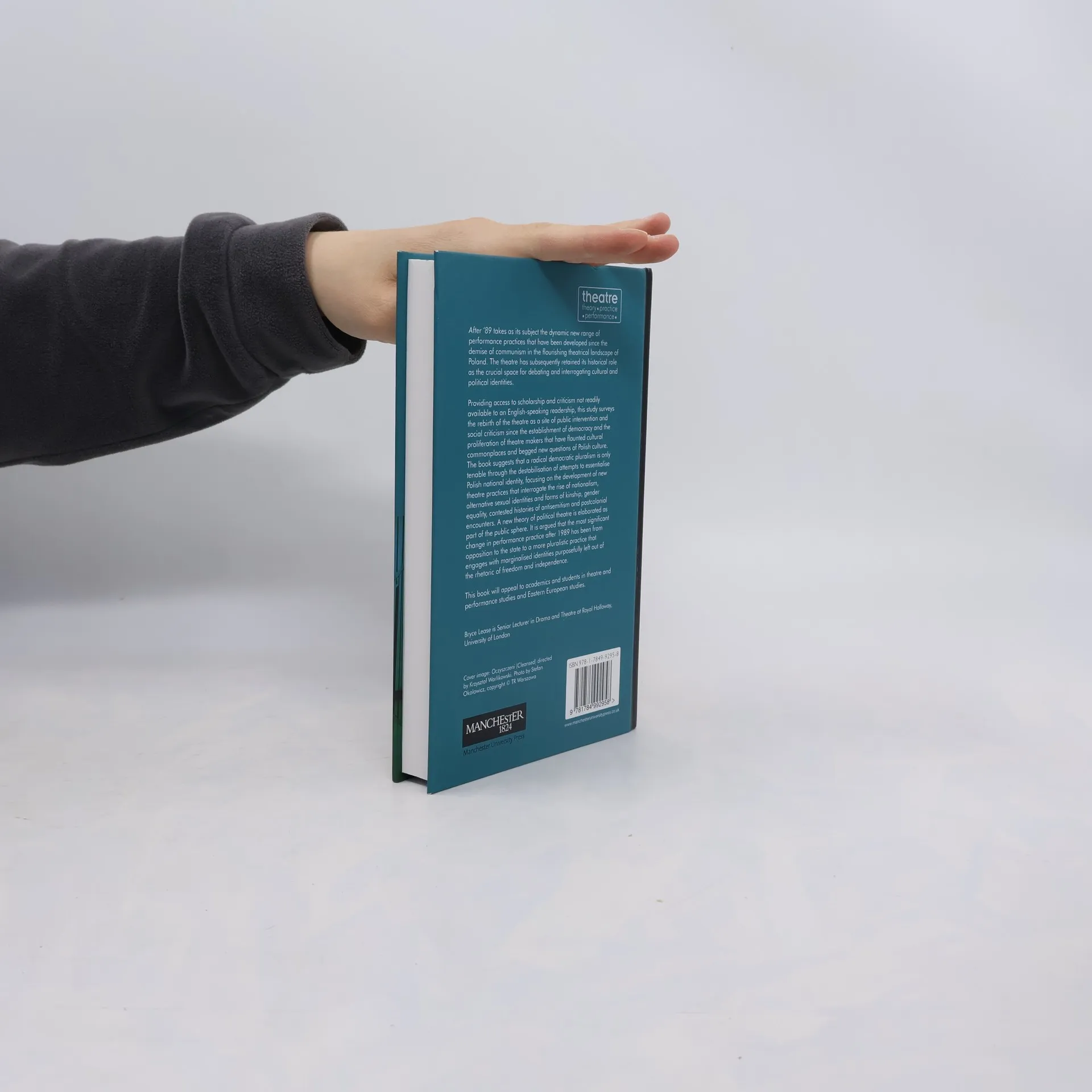
After '89 explores the vibrant performance practices that emerged in Poland following the end of communism, highlighting the theatre's enduring role as a space for cultural and political discourse. It provides English-speaking audiences with access to scholarship and criticism that examines the theatre's evolution into a site of public intervention and social critique since the advent of democracy. The study emphasizes the importance of radical democratic pluralism, arguing that it can only thrive through challenging essentialist notions of Polish national identity. It focuses on innovative theatre practices that address nationalism, alternative sexual identities, gender equality, contested histories of antisemitism, and postcolonial interactions. The book develops a new theory of political theatre as part of the public sphere, noting a significant shift in performance practice from opposition to the state towards a more inclusive approach that engages with marginalized identities often excluded from discussions of freedom and independence. This work is designed for academics and students in theatre and performance studies as well as Eastern European studies, making it a valuable resource for those interested in contemporary cultural dynamics in Poland.
Compra de libros
Theatre: Theory, Practice, Performance: After '89, Bryce Lease
- Idioma

- Publicado en
- 2016
- Encuadernación
- (Tapa dura)
Métodos de pago
Nos falta tu reseña aquí
- Título
- Theatre: Theory, Practice, Performance: After '89
- Subtítulo
- Polish Theatre and the Political
- Idioma
- Inglés
- Autores
- Bryce Lease
- Editorial
- Manchester University Press
- Publicado en
- 2016
- Formato
- Tapa dura
- Páginas
- 240
- ISBN10
- 178499295X
- ISBN13
- 9781784992958
- Serie
- Categorías
- Etiquetas
- Tema histórico, Política, Teatro, Siglo XXI, Televisión, Género, Polonia, Artes escénicas, Europa del Este, Aspectos políticos, Pluralismo
- Calificación
- 5 de 5
- Descripción
- After '89 explores the vibrant performance practices that emerged in Poland following the end of communism, highlighting the theatre's enduring role as a space for cultural and political discourse. It provides English-speaking audiences with access to scholarship and criticism that examines the theatre's evolution into a site of public intervention and social critique since the advent of democracy. The study emphasizes the importance of radical democratic pluralism, arguing that it can only thrive through challenging essentialist notions of Polish national identity. It focuses on innovative theatre practices that address nationalism, alternative sexual identities, gender equality, contested histories of antisemitism, and postcolonial interactions. The book develops a new theory of political theatre as part of the public sphere, noting a significant shift in performance practice from opposition to the state towards a more inclusive approach that engages with marginalized identities often excluded from discussions of freedom and independence. This work is designed for academics and students in theatre and performance studies as well as Eastern European studies, making it a valuable resource for those interested in contemporary cultural dynamics in Poland.