

Más información sobre el libro
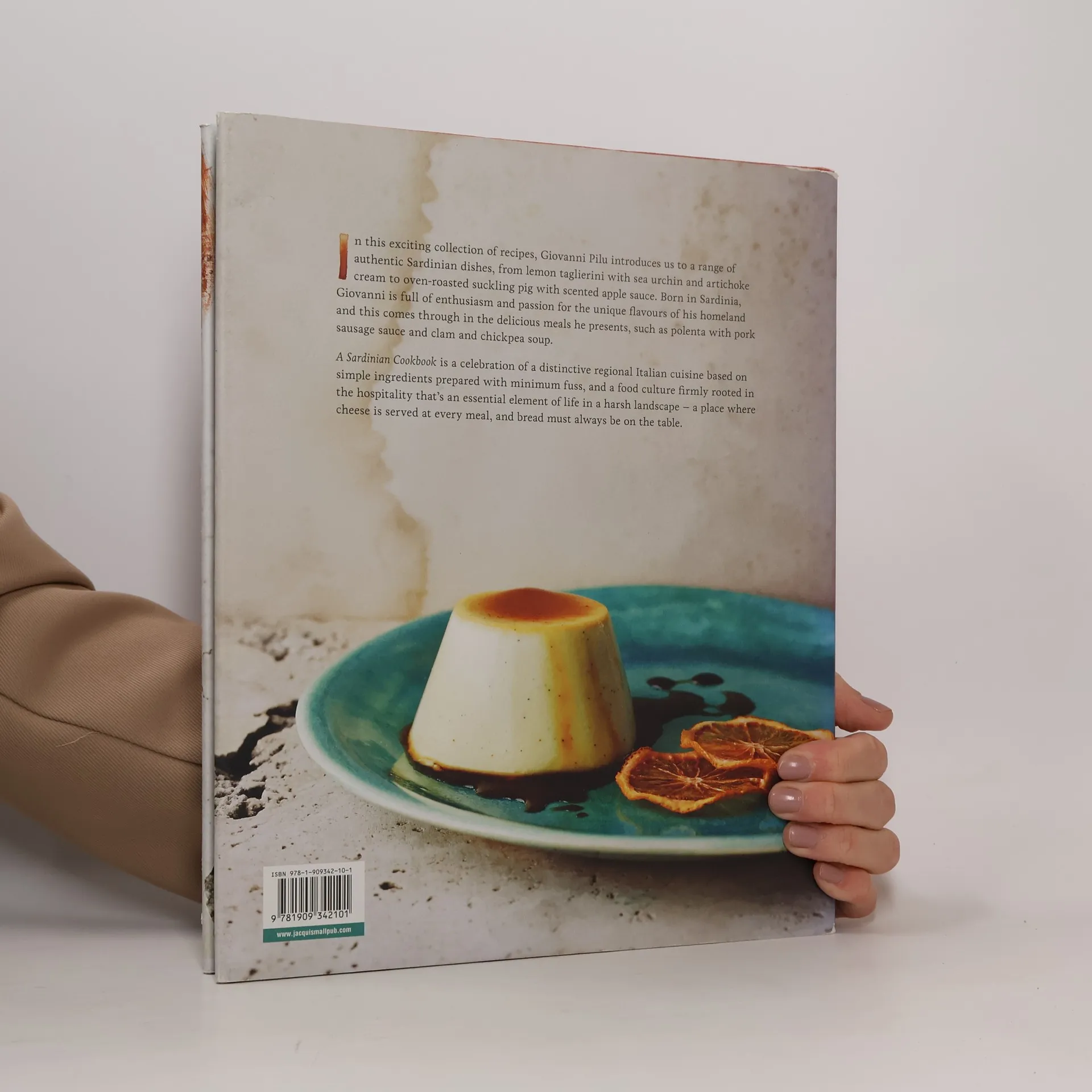
Like so many of the great food cultures, Sardinian cuisine is born of necessity. As a poor people, Sardinians have always foraged for ingredients in the mountains and fennel, asparagus, chicory and nettles; chestnuts, berries and honey. Rabbit, game birds and wild boar are still hunted in the traditional and time-honoured manner. And those living on the coast gather clams, mussels and tiny crabs from along the shoreline for soups and pasta sauces. The primary flavourings are the herbs that grow wild everywhere on the bay leaves, juniper berries, mint and sage, as well as the characteristic Sardinian myrtle, the leaves of which are used in stocks and marinades, and to scent roasted meat while it rests. Giovanni Pilu believes Sardinian cooking should involve fresh produce simply prepared, allowing the full flavour of the ingredients to speak for themselves. Since opening Pilu at Freshwater in 2004, he has expanded his Sardinian repertoire, cooking the food that's in his blood and close to his heart – and it is this food he shares with us in A Sardinian Cookbook.
Compra de libros
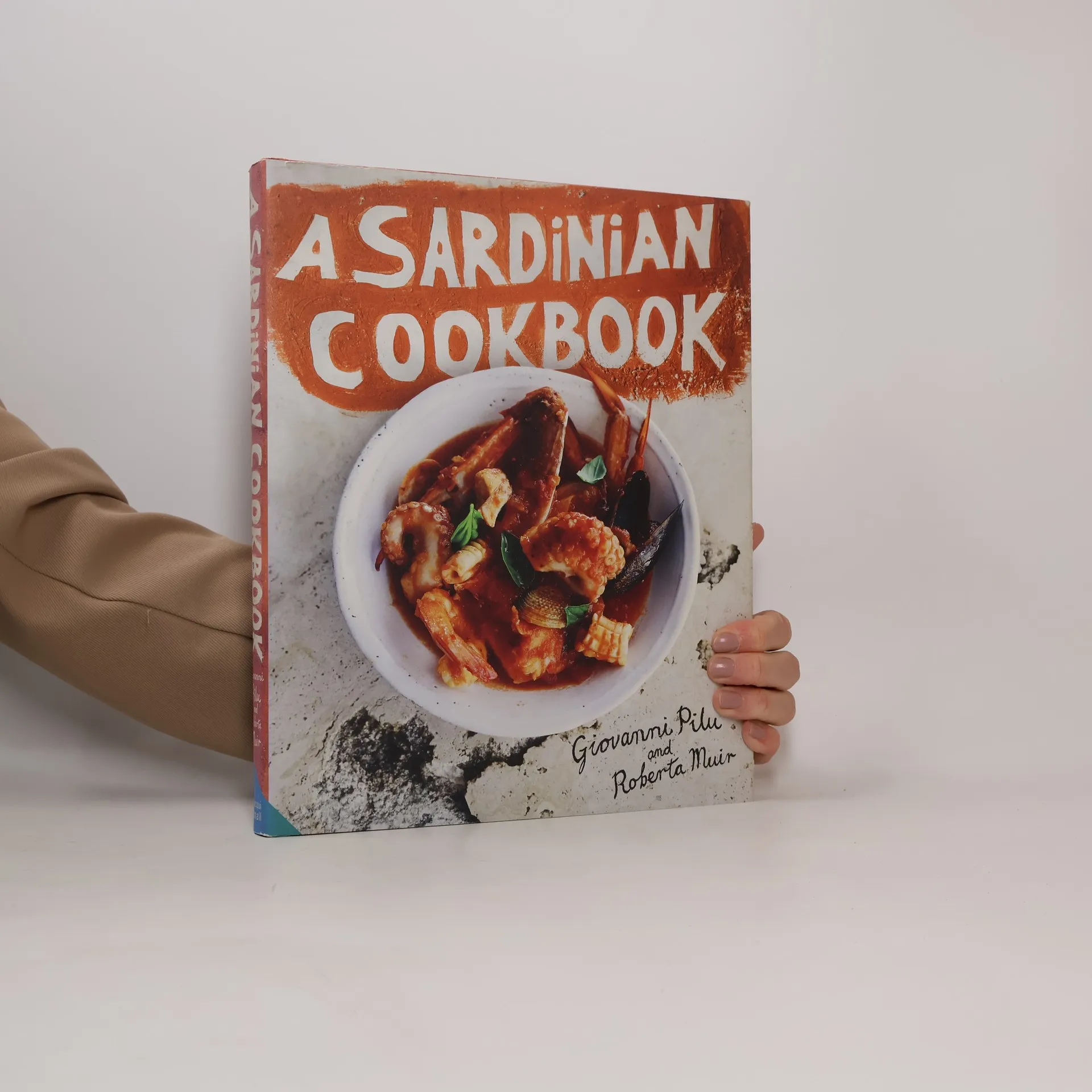
A Sardinian Cookbook, Giovanni Pilu, Roberta Muir
- Idioma

- Publicado en
- 2013
- Encuadernación
- (Tapa dura)
Métodos de pago
Nos falta tu reseña aquí
- Título
- A Sardinian Cookbook
- Idioma
- Inglés
- Autores
- Giovanni Pilu, Roberta Muir
- Editorial
- Jacqui Small
- Publicado en
- 2013
- Formato
- Tapa dura
- Páginas
- 240
- ISBN10
- 1909342106
- ISBN13
- 9781909342101
- Serie
- Categorías
- Etiquetas
- Libros de cocina
- Calificación
- 4 de 5
- Descripción
- Like so many of the great food cultures, Sardinian cuisine is born of necessity. As a poor people, Sardinians have always foraged for ingredients in the mountains and fennel, asparagus, chicory and nettles; chestnuts, berries and honey. Rabbit, game birds and wild boar are still hunted in the traditional and time-honoured manner. And those living on the coast gather clams, mussels and tiny crabs from along the shoreline for soups and pasta sauces. The primary flavourings are the herbs that grow wild everywhere on the bay leaves, juniper berries, mint and sage, as well as the characteristic Sardinian myrtle, the leaves of which are used in stocks and marinades, and to scent roasted meat while it rests. Giovanni Pilu believes Sardinian cooking should involve fresh produce simply prepared, allowing the full flavour of the ingredients to speak for themselves. Since opening Pilu at Freshwater in 2004, he has expanded his Sardinian repertoire, cooking the food that's in his blood and close to his heart – and it is this food he shares with us in A Sardinian Cookbook.