



Valoración del libro
Más información sobre el libro
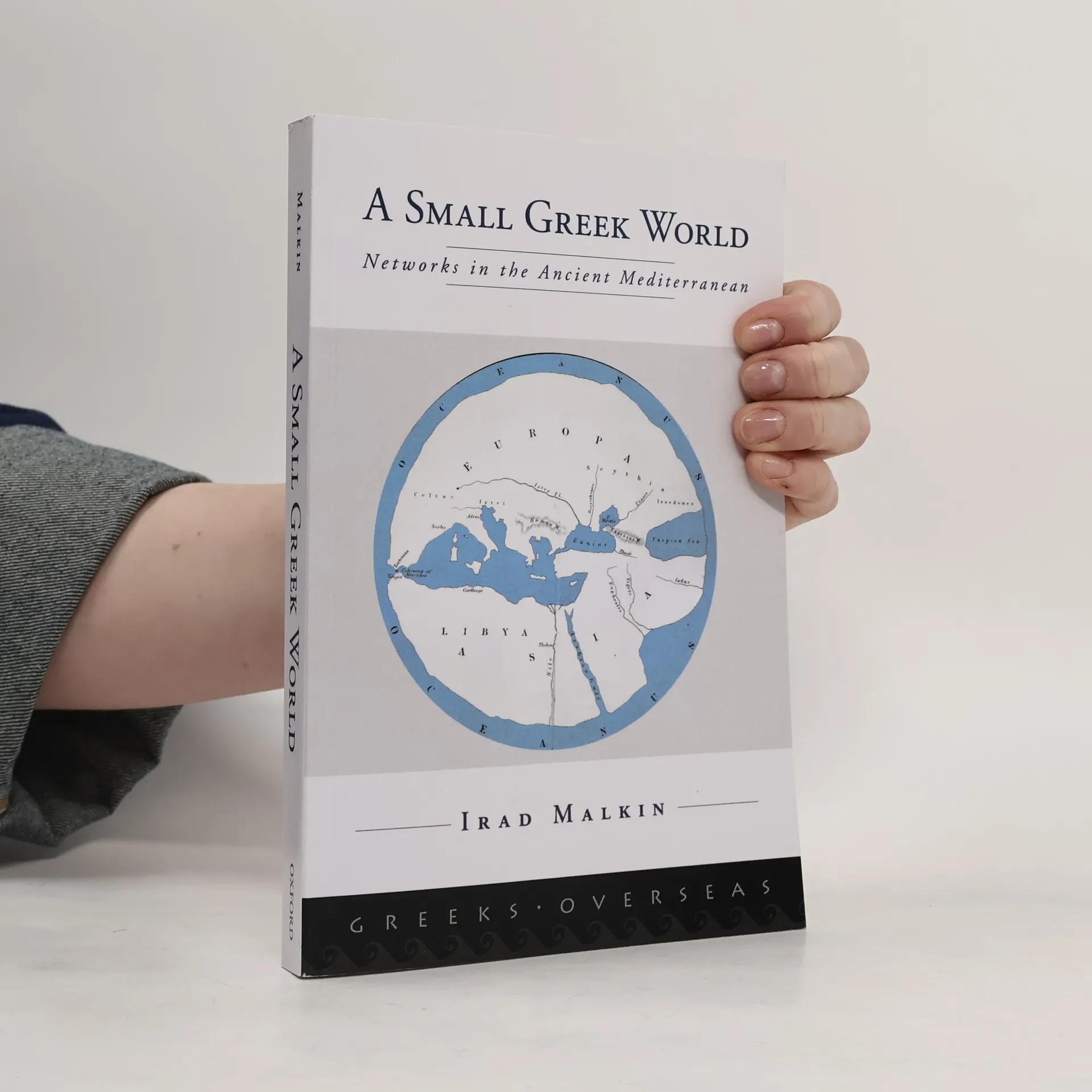
Greek civilization and identity emerged not from proximity but from distance during the Archaic period, as Greeks established coastal city-states and trading posts from the Ukraine to Spain. There was no central authority directing this expansion; numerous mother cities spawned new settlements, leading to a decentralized network. The "Greek center" was maritime, shaped by cultural convergence among independent settlements. Cicero noted that "the shores of Greece are like hems stitched onto the lands of Barbarian peoples." Despite geographical separation, Greek settlement practices unified communities, making them more similar to each other than to neighboring cultures like the Etruscans or Scythians. The distinction between "center and periphery" lost significance, as did the contrast with Barbarians. This raises the question of whether we should admire the Greeks for creating their civilization despite vast distances or recognize that its salient features arose from its decentralized nature. The book argues that the answer lies in the network attributes of a "Small Greek World," where separation is defined by degrees of contact rather than mere physical distance.
Compra de libros
Greeks Overseas: A Small Greek World, Irad Malkin
- Idioma

- Publicado en
- 2013
- Encuadernación
- (Tapa blanda)
Métodos de pago
Nos falta tu reseña aquí
- Título
- Greeks Overseas: A Small Greek World
- Subtítulo
- Networks in the Ancient Mediterranean
- Idioma
- Inglés
- Autores
- Irad Malkin
- Editorial
- Oxford University Press
- Publicado en
- 2013
- Formato
- Tapa blanda
- Páginas
- 306
- ISBN10
- 0199315728
- ISBN13
- 9780199315727
- Serie
- Categorías
- Etiquetas
- EE.UU., Europa, Antigüedad, Historia de Europa, Arqueología, Grecia, Grecia antigua
- Calificación
- 4 de 5
- Descripción
- Greek civilization and identity emerged not from proximity but from distance during the Archaic period, as Greeks established coastal city-states and trading posts from the Ukraine to Spain. There was no central authority directing this expansion; numerous mother cities spawned new settlements, leading to a decentralized network. The "Greek center" was maritime, shaped by cultural convergence among independent settlements. Cicero noted that "the shores of Greece are like hems stitched onto the lands of Barbarian peoples." Despite geographical separation, Greek settlement practices unified communities, making them more similar to each other than to neighboring cultures like the Etruscans or Scythians. The distinction between "center and periphery" lost significance, as did the contrast with Barbarians. This raises the question of whether we should admire the Greeks for creating their civilization despite vast distances or recognize that its salient features arose from its decentralized nature. The book argues that the answer lies in the network attributes of a "Small Greek World," where separation is defined by degrees of contact rather than mere physical distance.