

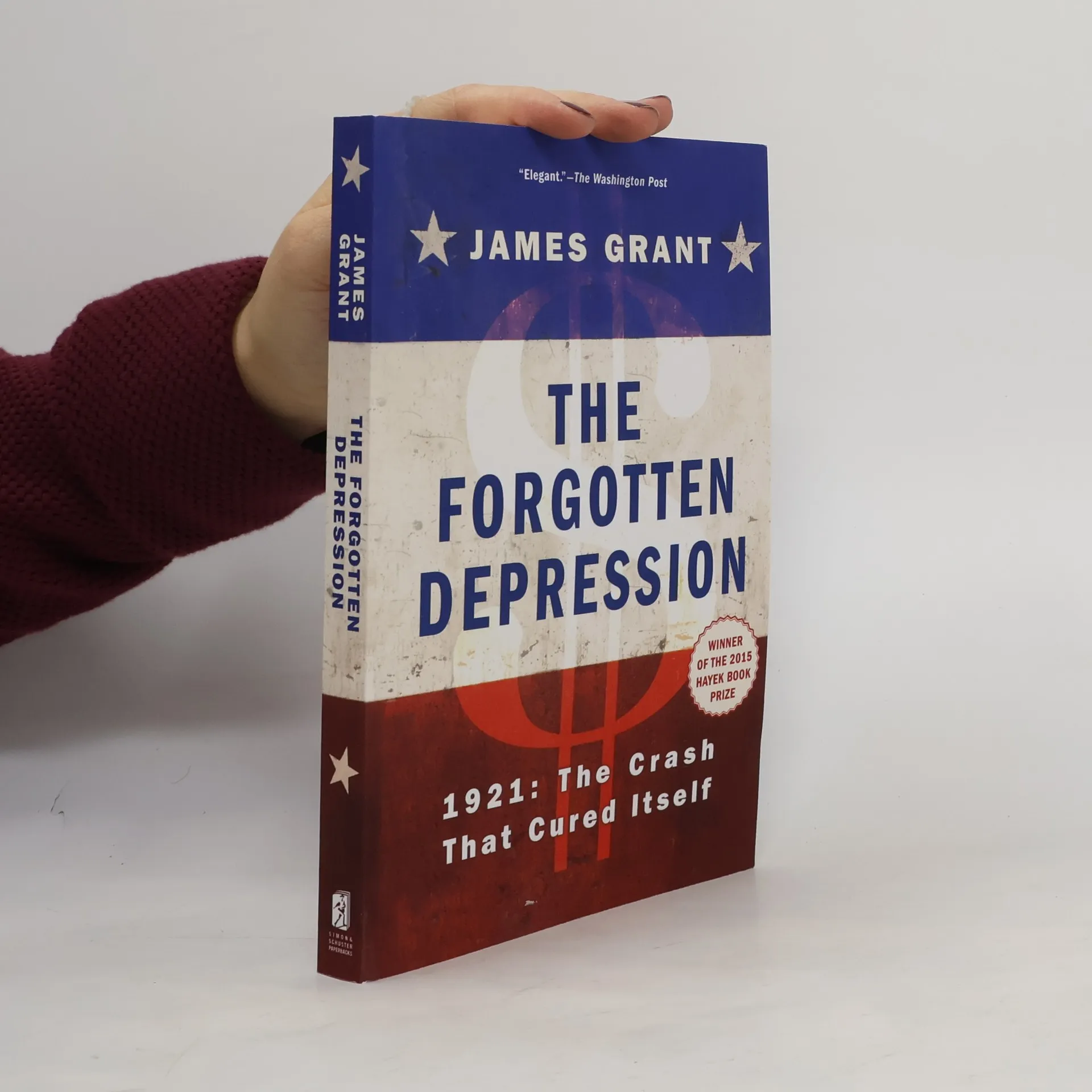


Más información sobre el libro
James Grant’s exploration of America’s last governmentally untreated depression serves as a vital resource for conservative economists. This well-researched history simplifies complex economic concepts while intertwining significant events with engaging anecdotes. During the 1920-1921 economic slump, Woodrow Wilson and Warren G. Harding seemingly ignored the crisis, opting for policies that modern economists might deem outdated. Faced with falling prices, wages, and employment, the government balanced the budget and raised interest rates through the Federal Reserve, without any stimulus measures. Remarkably, a robust recovery began by late 1921. However, by 1929, the economy deteriorated as the Hoover administration implemented the very policies that Wilson and Harding had rejected. Grant argues against federal intervention during downturns, asserting that the well-meaning efforts to sustain industrial wages exacerbated the recession, transforming it into the Great Depression. He provides valuable lessons from this earlier period that can inform current and future economic strategies. This compelling narrative challenges conventional wisdom on recession management and serves as a crucial reminder for lawmakers today.


Compra de libros
The Forgotten Depression, James Grant
- Idioma

- Publicado en
- 2014
- Encuadernación
- (Tapa blanda)
Métodos de pago
Nos falta tu reseña aquí
- Título
- The Forgotten Depression
- Subtítulo
- 1921: The Crash That Cured Itself
- Idioma
- Inglés
- Autores
- James Grant
- Editorial
- Simon & Schuster
- Publicado en
- 2014
- Formato
- Tapa blanda
- Páginas
- 272
- ISBN10
- 1451686463
- ISBN13
- 9781451686463
- Serie
- Etiquetas
- No ficción, Ciencias sociales, Tema histórico, Comercio, Negocios & Gestión, Ciencias políticas & Política, Política, Economía, EE.UU., Siglo XX, Finanzas, Finanzas & Contabilidad, Teorías Políticas, Historia de EE. UU., Historia Económica, Economía política, Macroeconomía, Crisis Financiera, Política Monetaria
- Calificación
- 3,85 de 5
- Descripción
- James Grant’s exploration of America’s last governmentally untreated depression serves as a vital resource for conservative economists. This well-researched history simplifies complex economic concepts while intertwining significant events with engaging anecdotes. During the 1920-1921 economic slump, Woodrow Wilson and Warren G. Harding seemingly ignored the crisis, opting for policies that modern economists might deem outdated. Faced with falling prices, wages, and employment, the government balanced the budget and raised interest rates through the Federal Reserve, without any stimulus measures. Remarkably, a robust recovery began by late 1921. However, by 1929, the economy deteriorated as the Hoover administration implemented the very policies that Wilson and Harding had rejected. Grant argues against federal intervention during downturns, asserting that the well-meaning efforts to sustain industrial wages exacerbated the recession, transforming it into the Great Depression. He provides valuable lessons from this earlier period that can inform current and future economic strategies. This compelling narrative challenges conventional wisdom on recession management and serves as a crucial reminder for lawmakers today.