




Más información sobre el libro
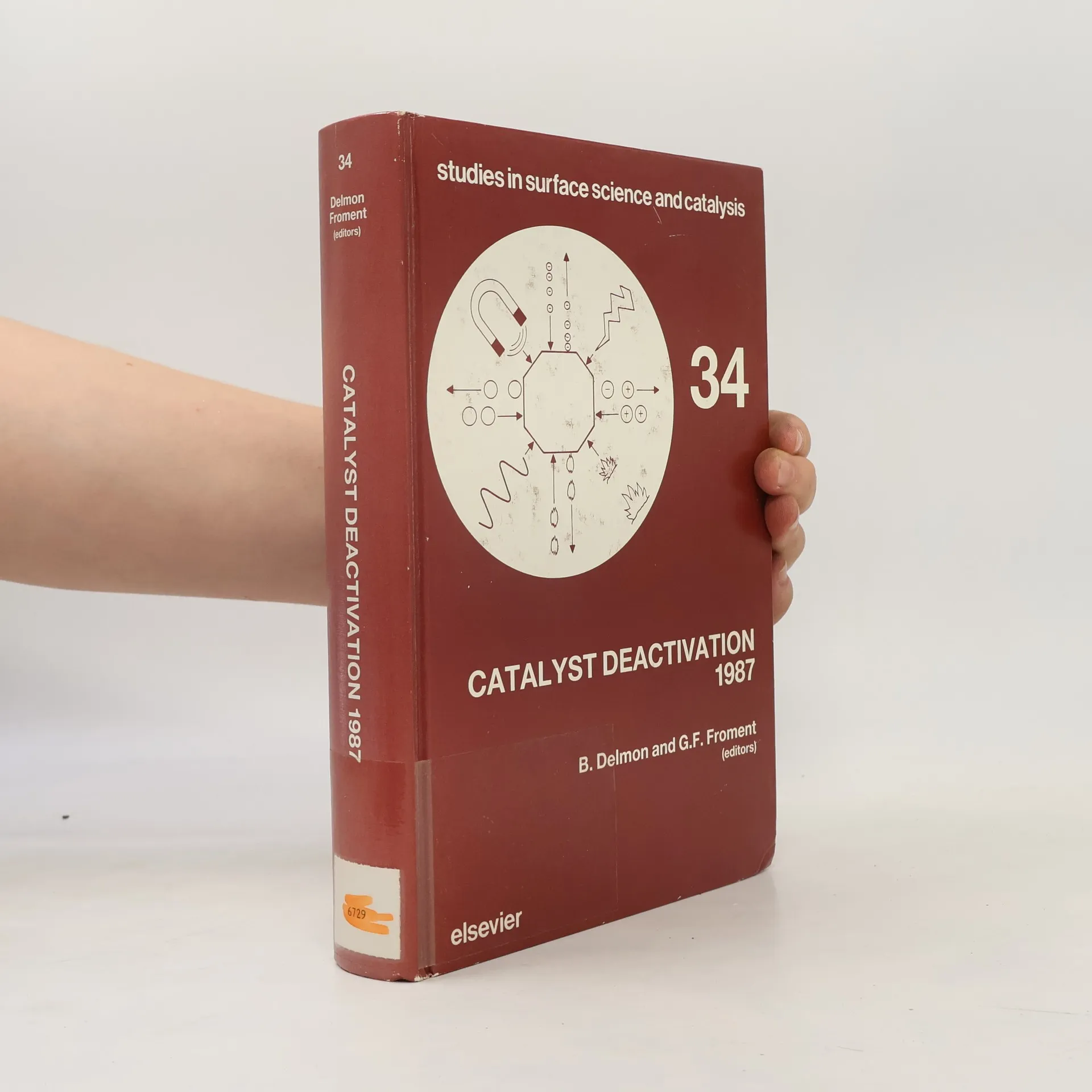
This Symposium on Catalyst Deactivation ensues those held at Berkeley (1985), Antwerp (1980) and Berkeley (1978). The three main topics emphasised at this most recent symposium the techniques used in deactivation studies, the mechanisms of catalyst deactivation, and modelling. With respect to the first, it became apparent that the study of deactivation faces even more difficulties than the characterization of fresh catalysts and the measurement of activity or selectivity, due to the multiplicity of interacting processes occurring during deactivation. Quite substantial progress has been made recently in the understanding of the mechanisms of various deactivation processes, particularly coking, and extra time was accorded to these topics at the symposium. The third topic corresponds to a problem which is very central to development studies and to the chemical engineering aspect of it deals with the representativity of accelerated tests and the modelling of the deactivation phenomena.
Compra de libros
Studies in Surface Science and Catalysis - 34: Catalyst Deactivation 1987, Bernard Delmon, Gilbert F. Froment
- Idioma

- Publicado en
- 1987
- product-detail.submit-box.info.binding
- (Tapa dura),
- Estado del libro
- Dañado
- Precio
- 6,58 €
Métodos de pago
Nadie lo ha calificado todavía.
- Idioma
- Inglés
- Autores
- Bernard Delmon, Gilbert F. Froment
- Editorial
- Elsevier
- Publicado en
- 1987
- Formato
- Tapa dura
- Páginas
- 680
- ISBN10
- 0444428550
- ISBN13
- 9780444428554
- Serie
- Descripción
- This Symposium on Catalyst Deactivation ensues those held at Berkeley (1985), Antwerp (1980) and Berkeley (1978). The three main topics emphasised at this most recent symposium the techniques used in deactivation studies, the mechanisms of catalyst deactivation, and modelling. With respect to the first, it became apparent that the study of deactivation faces even more difficulties than the characterization of fresh catalysts and the measurement of activity or selectivity, due to the multiplicity of interacting processes occurring during deactivation. Quite substantial progress has been made recently in the understanding of the mechanisms of various deactivation processes, particularly coking, and extra time was accorded to these topics at the symposium. The third topic corresponds to a problem which is very central to development studies and to the chemical engineering aspect of it deals with the representativity of accelerated tests and the modelling of the deactivation phenomena.