

Más información sobre el libro
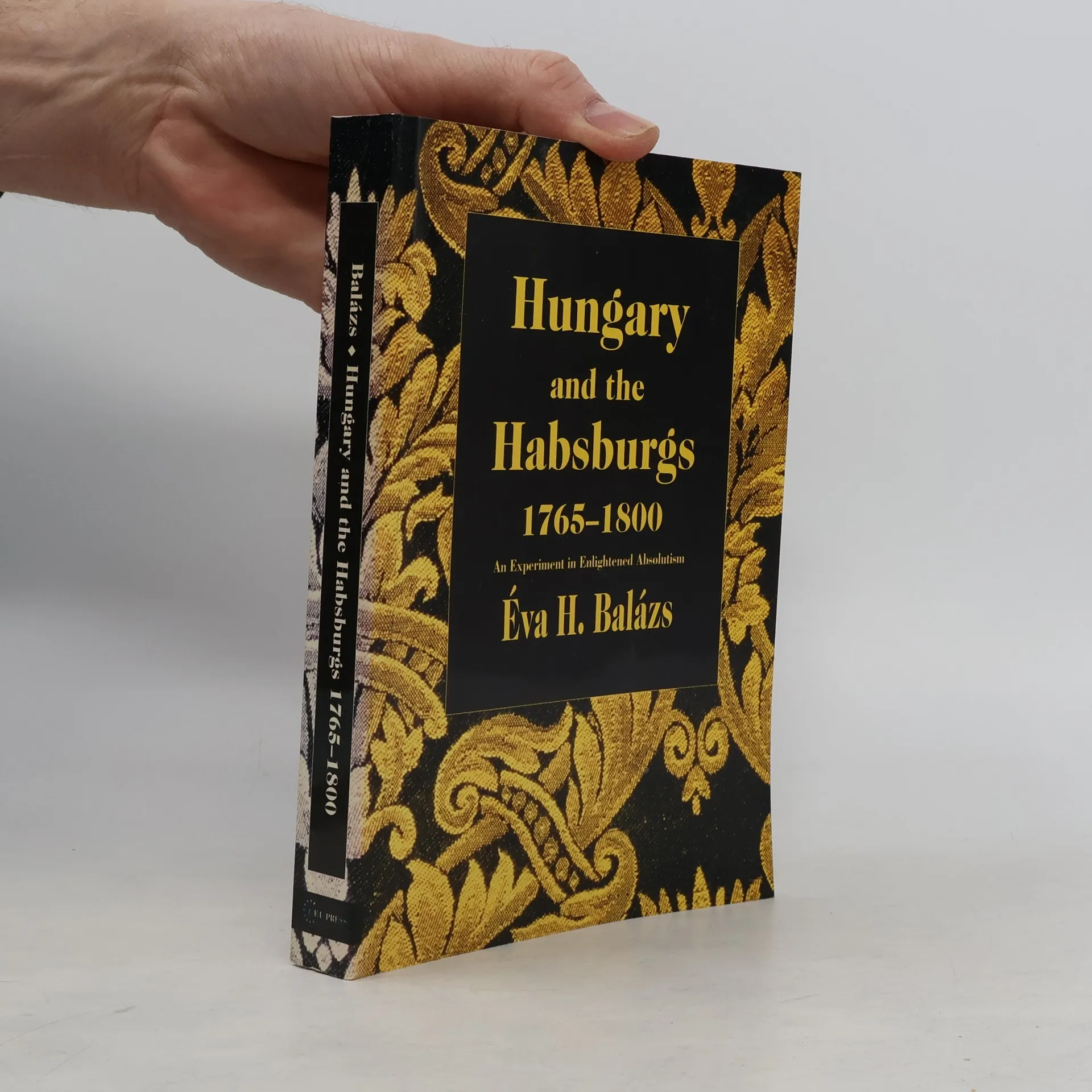
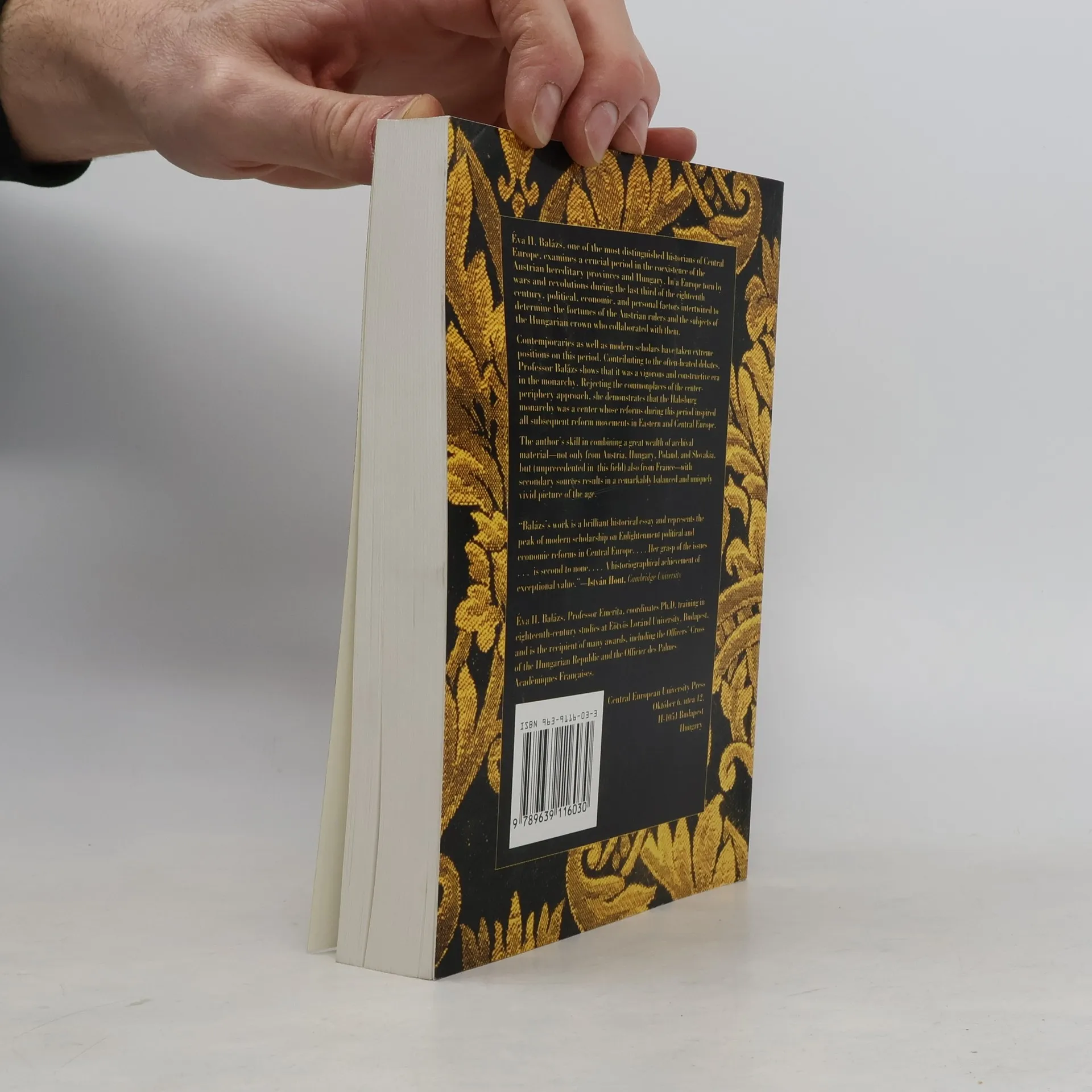
Eva H. Balazs, one of the foremost living authorities on eighteenth century Central Europe, examines a crucial period in the co-existence of the Austrian hereditary provinces and Hungary. In a Europe torn by wars and revolutions, in the last third of the eighteenth century, political, economic and personal factors interwined to determine the fortunes of the Austrian rulers and the subjects of the Hungarian crown who collaborated with them in a subordinated status. Rejecting commonplaces of the centre-periphery approach, the author argues that the Habsburg monarchy was a 'centre' whose reforms in this period inspired all subsequent movements for reform in Eastern and Central Europe.Professor Balazs's skill in combining great wealth of archival material -- not only from Austria, Hungary, Poland and Slovakia, but (unprecedented in this field) also from France, gives the reader a near-contemporary proximity to the figures and developments discussed.
Compra de libros
Hungary and the Habsburgs, 1765-1800, Éva H. Balázs
- Idioma

- Publicado en
- 1997
- Encuadernación
- (Tapa dura),
- Estado del libro
- Bueno
- Precio
- 5,59 €
Métodos de pago
Nadie lo ha calificado todavía.
- Título
- Hungary and the Habsburgs, 1765-1800
- Subtítulo
- An Experiment in Enlightened Absolutism
- Idioma
- Inglés
- Autores
- Éva H. Balázs
- Editorial
- Central European University Press
- Publicado en
- 1997
- Formato
- Tapa dura
- Páginas
- 304
- ISBN10
- 9639116033
- ISBN13
- 9789639116030
- Serie
- Etiquetas
- Tema histórico, Hungría, Habsburgo
- Descripción
- Eva H. Balazs, one of the foremost living authorities on eighteenth century Central Europe, examines a crucial period in the co-existence of the Austrian hereditary provinces and Hungary. In a Europe torn by wars and revolutions, in the last third of the eighteenth century, political, economic and personal factors interwined to determine the fortunes of the Austrian rulers and the subjects of the Hungarian crown who collaborated with them in a subordinated status. Rejecting commonplaces of the centre-periphery approach, the author argues that the Habsburg monarchy was a 'centre' whose reforms in this period inspired all subsequent movements for reform in Eastern and Central Europe.Professor Balazs's skill in combining great wealth of archival material -- not only from Austria, Hungary, Poland and Slovakia, but (unprecedented in this field) also from France, gives the reader a near-contemporary proximity to the figures and developments discussed.