

Parámetros
- 336 páginas
- 12 horas de lectura
Más información sobre el libro
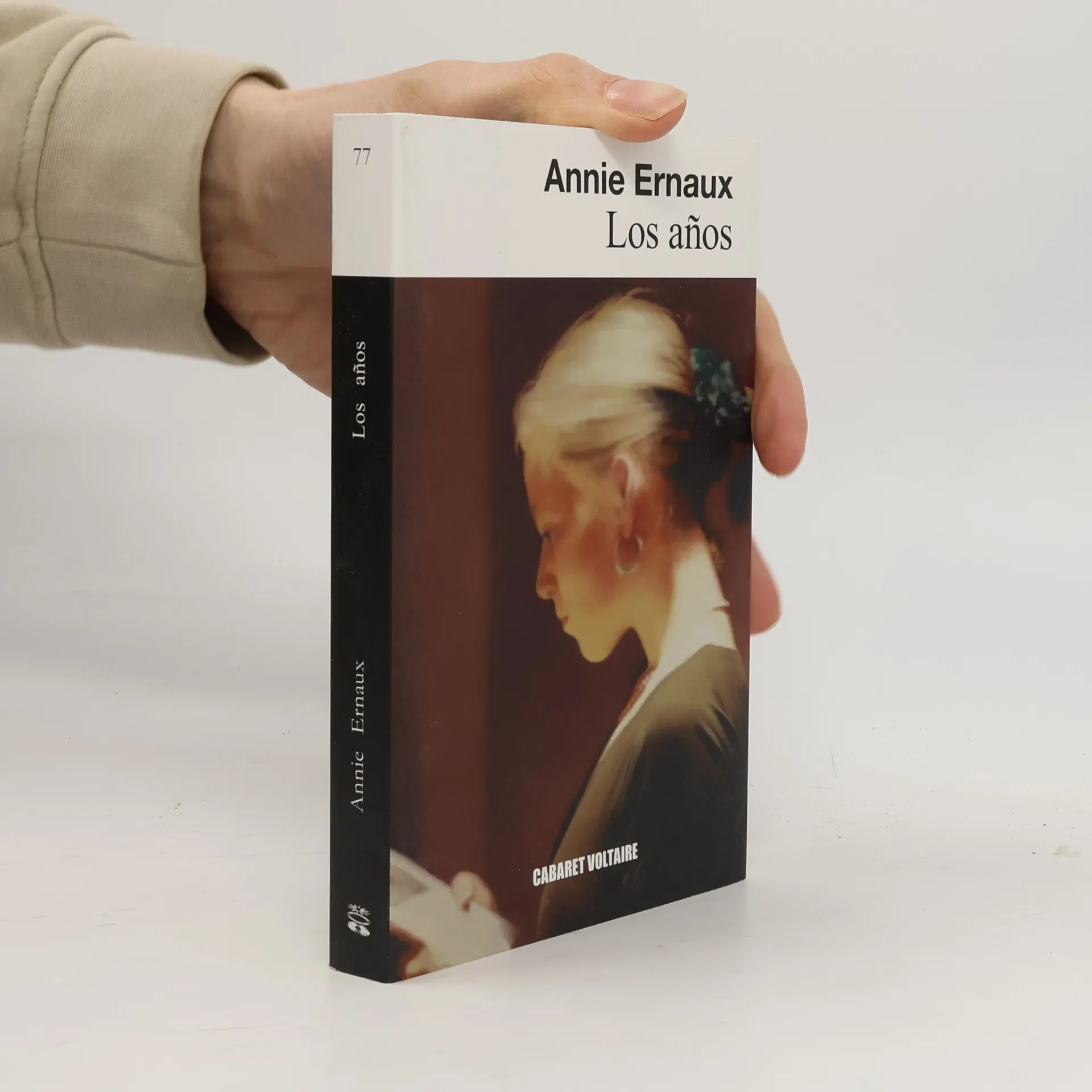
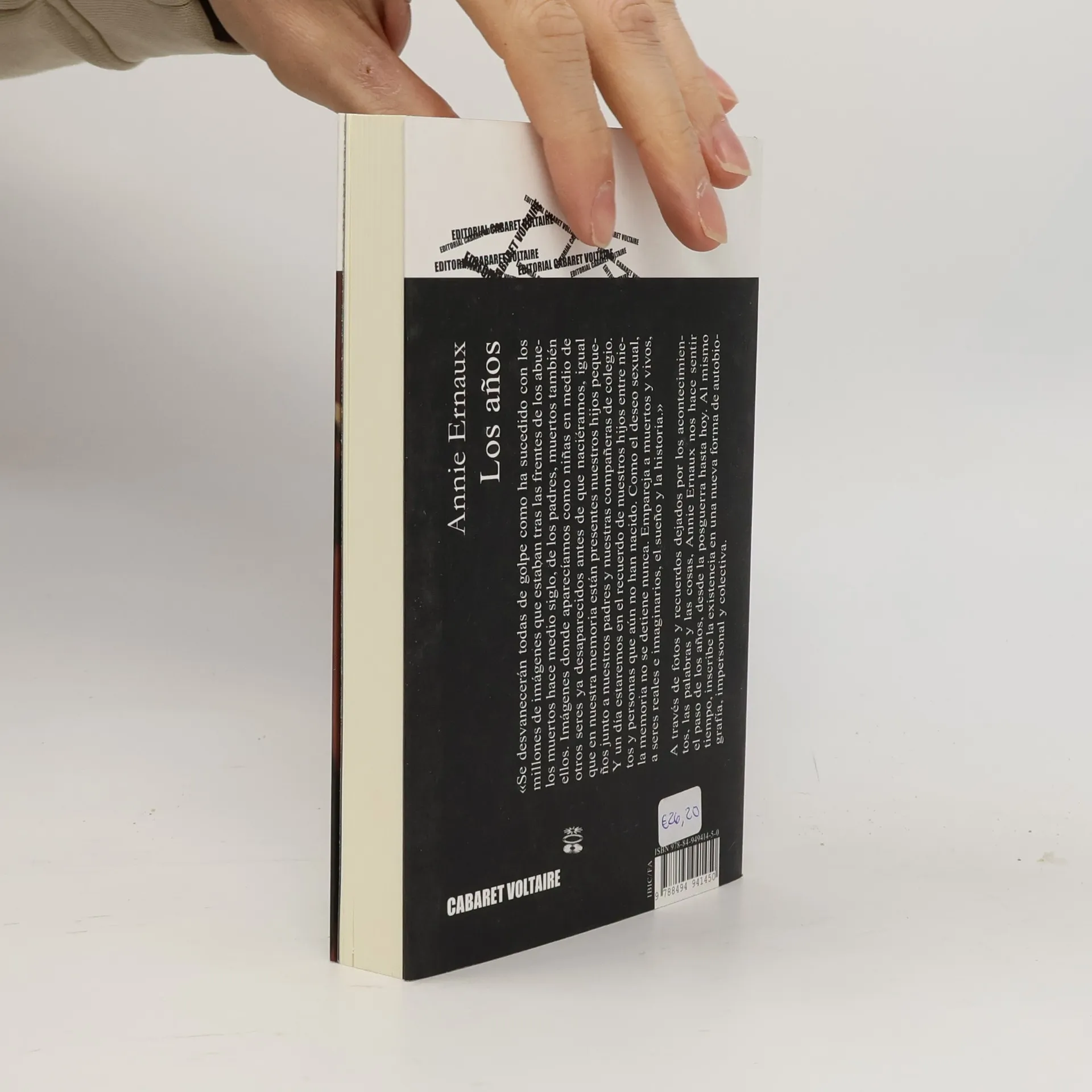
Available in English for the first time, this astonishing, bestselling, and award-winning work by Annie Ernaux presents a personal narrative spanning 1941 to 2006, viewed through memory and various cultural artifacts such as photos, books, songs, and advertisements. Ernaux captures local dialects, contemporary language, and the proliferation of objects, allowing the author's voice to dissolve and re-emerge throughout the text. The passage of time becomes a character in itself, overshadowing individual narrators and creating a new form of autobiography that is both subjective and collective. Upon its 2008 release in France, this work surprised many, as it marked a departure from Ernaux's previous style. It serves as an intimate memoir that reflects the experiences of entire generations, with the narrator opting for "we" instead of "I," emphasizing the interconnectedness of personal and collective lives. This choice mirrors the narrative voice of the previous generation, which often expressed shared experiences through impersonal pronouns, highlighting a common history shaped by hunger and fear. The work ultimately intertwines the personal with the collective, offering a profound exploration of identity and memory.


Compra de libros
Los años, Annie Ernaux, Lydia Vázquez Jiménez
- Idioma

- Publicado en
- 2019
- Encuadernación
- (Tapa blanda)
Métodos de pago
Nos falta tu reseña aquí
- Título
- Los años
- Idioma
- Español
- Autores
- Annie Ernaux, Lydia Vázquez Jiménez
- Editorial
- Editorial Cabaret Voltaire
- Publicado en
- 2019
- Formato
- Tapa blanda
- Páginas
- 336
- ISBN10
- 8494941453
- ISBN13
- 9788494941450
- Serie
- Categorías
- Etiquetas
- Tema histórico, Familia, Mujeres, Política, Francia, Siglo XX, Regalos para abuelo, Regalos para mujeres, Sociedad, Memorias, Literatura francesa, Vida, Pasado, Diarios, Basado en hechos reales, Premio Nobel, Escritoras, Normandía, Franceses
- Primera publicación
- 2008
- Título original
- Les Années
- Calificación
- 4,2 de 5
- Descripción
- Available in English for the first time, this astonishing, bestselling, and award-winning work by Annie Ernaux presents a personal narrative spanning 1941 to 2006, viewed through memory and various cultural artifacts such as photos, books, songs, and advertisements. Ernaux captures local dialects, contemporary language, and the proliferation of objects, allowing the author's voice to dissolve and re-emerge throughout the text. The passage of time becomes a character in itself, overshadowing individual narrators and creating a new form of autobiography that is both subjective and collective. Upon its 2008 release in France, this work surprised many, as it marked a departure from Ernaux's previous style. It serves as an intimate memoir that reflects the experiences of entire generations, with the narrator opting for "we" instead of "I," emphasizing the interconnectedness of personal and collective lives. This choice mirrors the narrative voice of the previous generation, which often expressed shared experiences through impersonal pronouns, highlighting a common history shaped by hunger and fear. The work ultimately intertwines the personal with the collective, offering a profound exploration of identity and memory.