



Más información sobre el libro
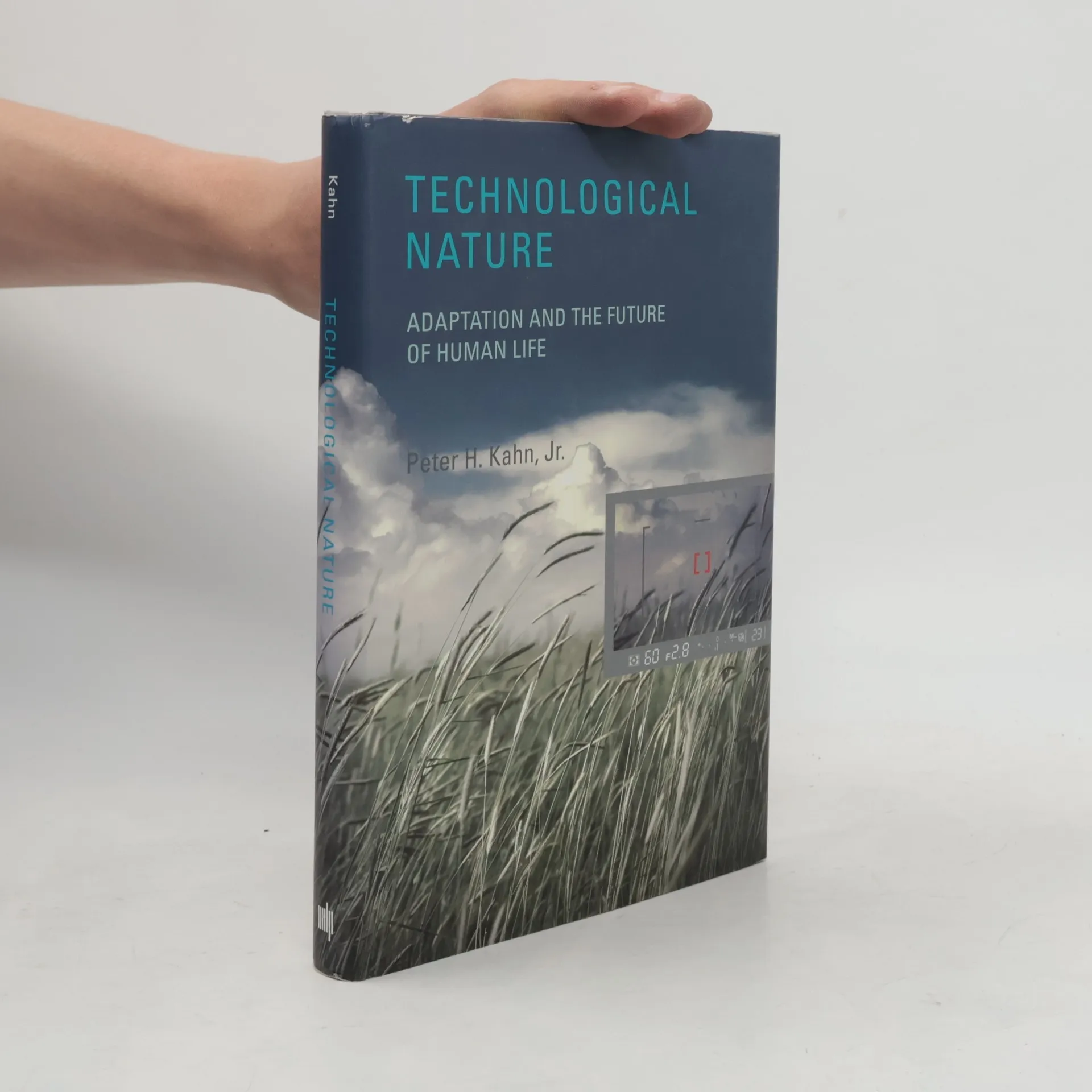
The relationship between humans and nature is increasingly mediated by technology, raising questions about its impact on our well-being. While previous generations had direct connections with the natural world, today's children grow up watching digital nature programs, exploring virtual landscapes in games, and interacting with robotic animals. For instance, telehunting allowed hunters to kill animals remotely via a computer interface. In this context, the author argues that our technological experiences of nature matter significantly. Through his research, he examines how these technological interactions influence both children and adults. His team installed high-definition screens displaying real-time nature views in office environments to assess their physiological and psychological effects. They also explored the relationship between children and the robotic dog AIBO, particularly its potential benefits for children with autism, and investigated online telegardening as an alternative to telehunting. Kahn's findings suggest that while technological nature can enhance well-being compared to no nature at all, it cannot replace the benefits of direct experiences with the natural world. He advocates for using technological nature as a complement to real nature, encouraging a reimagining of our connections with the wild and beautiful aspects of the environment.
Compra de libros
Technological Nature, Peter H. Kahn Jr.
- Idioma

- Publicado en
- 2011
- Encuadernación
- (Tapa dura)
Métodos de pago
Nadie lo ha calificado todavía.
- Título
- Technological Nature
- Subtítulo
- Adaptation and the Future of Human Life
- Idioma
- Inglés
- Autores
- Peter H. Kahn Jr.
- Editorial
- MIT Press
- Publicado en
- 2011
- Formato
- Tapa dura
- Páginas
- 248
- ISBN10
- 0262113228
- ISBN13
- 9780262113229
- Serie
- Categorías
- Etiquetas
- Naturaleza, Tecnología, Temática ecológica
- Descripción
- The relationship between humans and nature is increasingly mediated by technology, raising questions about its impact on our well-being. While previous generations had direct connections with the natural world, today's children grow up watching digital nature programs, exploring virtual landscapes in games, and interacting with robotic animals. For instance, telehunting allowed hunters to kill animals remotely via a computer interface. In this context, the author argues that our technological experiences of nature matter significantly. Through his research, he examines how these technological interactions influence both children and adults. His team installed high-definition screens displaying real-time nature views in office environments to assess their physiological and psychological effects. They also explored the relationship between children and the robotic dog AIBO, particularly its potential benefits for children with autism, and investigated online telegardening as an alternative to telehunting. Kahn's findings suggest that while technological nature can enhance well-being compared to no nature at all, it cannot replace the benefits of direct experiences with the natural world. He advocates for using technological nature as a complement to real nature, encouraging a reimagining of our connections with the wild and beautiful aspects of the environment.