

Parámetros
Más información sobre el libro
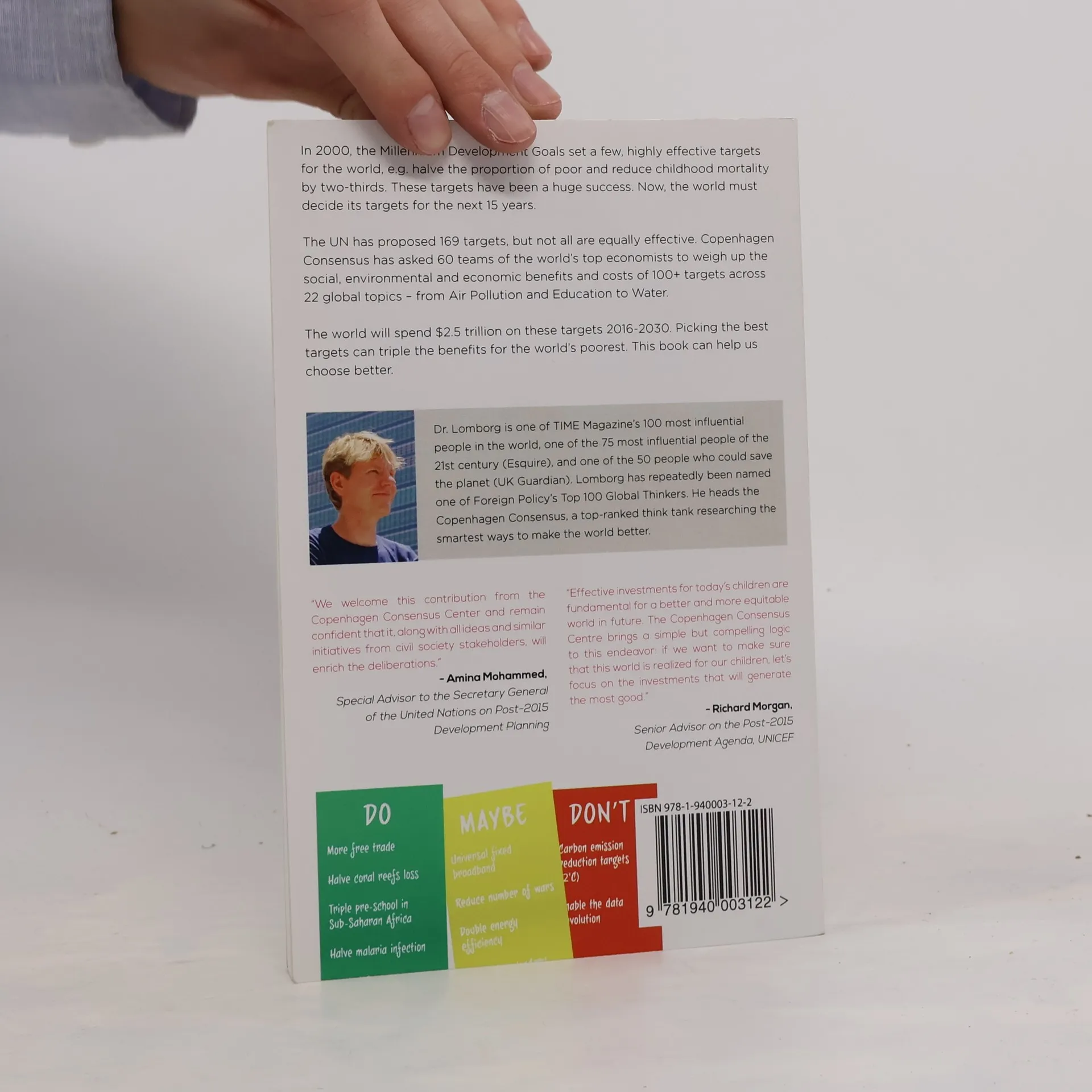
In 2000, the Millennium Development Goals set a few highly effective targets for the world, such as halving the proportion of poor and reducing childhood mortality by two-thirds. These targets have been a huge success. Now, the world must decide its targets for the next 15 years. The UN has proposed 169 targets, but not all are equally effective. Copenhagen Consensus has asked 60 teams of the world's top economists to weigh up the social, environmental, and economic benefits and costs of over 100 targets across 22 global topics from Air Pollution and Education to Water. The world will spend $2.5 trillion on these targets from 2016 to 2030. Picking the best targets can triple the benefits for the world's poorest. This book can help us choose better.
Compra de libros
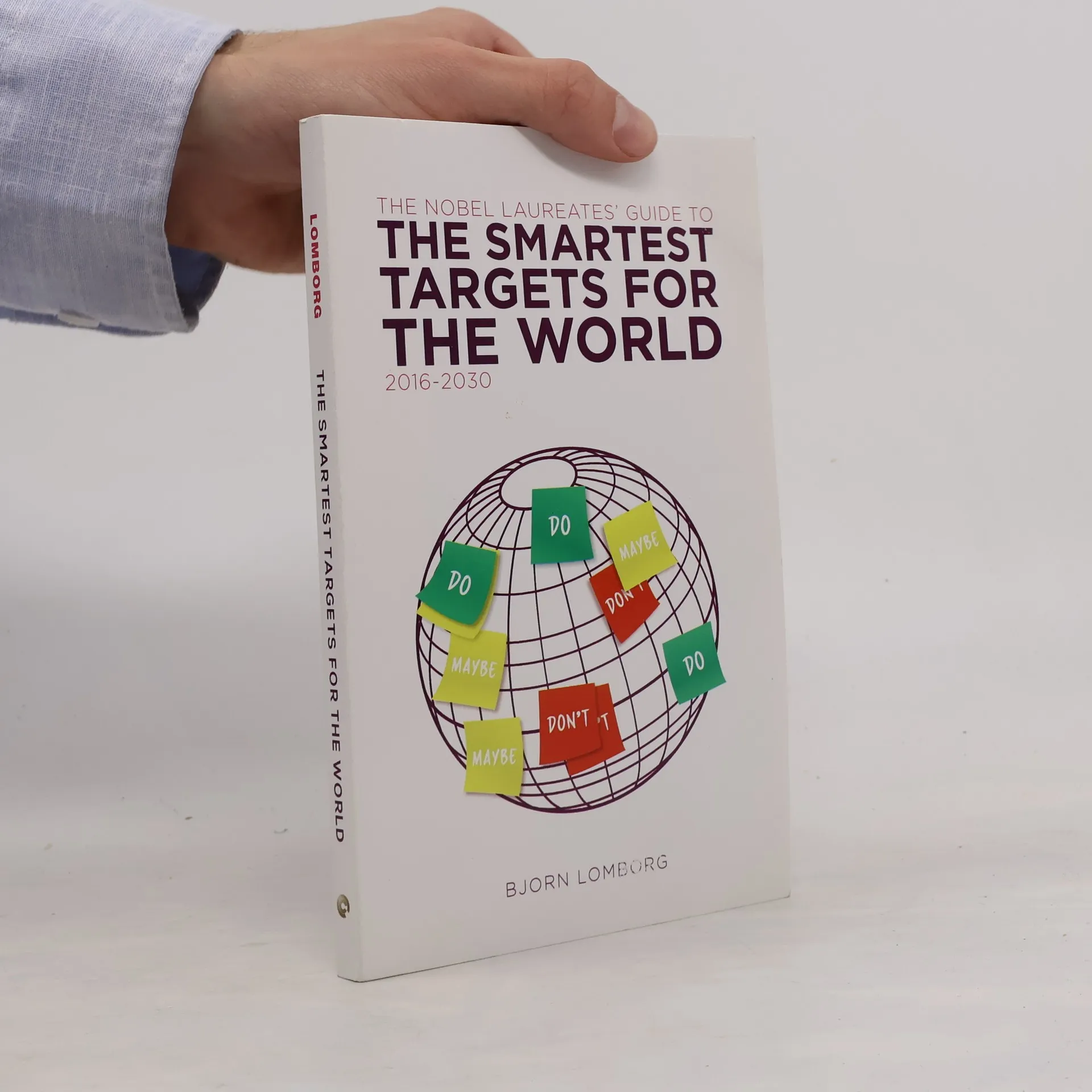
The Smartest Targets for the World, Bjørn Lomborg
- Idioma

- Publicado en
- 2015
- Encuadernación
- (Tapa blanda),
- Estado del libro
- Bueno
- Precio
- 3,19 €
Métodos de pago
Nadie lo ha calificado todavía.
- Título
- The Smartest Targets for the World
- Subtítulo
- The Nobel Laureates' Guide To 2016-2030
- Idioma
- Inglés
- Autores
- Bjørn Lomborg
- Publicado en
- 2015
- Formato
- Tapa blanda
- ISBN10
- 1940003121
- ISBN13
- 9781940003122
- Serie
- Categorías
- Etiquetas
- Comercio, Política, Ciencia, Premio Nobel
- Descripción
- In 2000, the Millennium Development Goals set a few highly effective targets for the world, such as halving the proportion of poor and reducing childhood mortality by two-thirds. These targets have been a huge success. Now, the world must decide its targets for the next 15 years. The UN has proposed 169 targets, but not all are equally effective. Copenhagen Consensus has asked 60 teams of the world's top economists to weigh up the social, environmental, and economic benefits and costs of over 100 targets across 22 global topics from Air Pollution and Education to Water. The world will spend $2.5 trillion on these targets from 2016 to 2030. Picking the best targets can triple the benefits for the world's poorest. This book can help us choose better.