




Más información sobre el libro
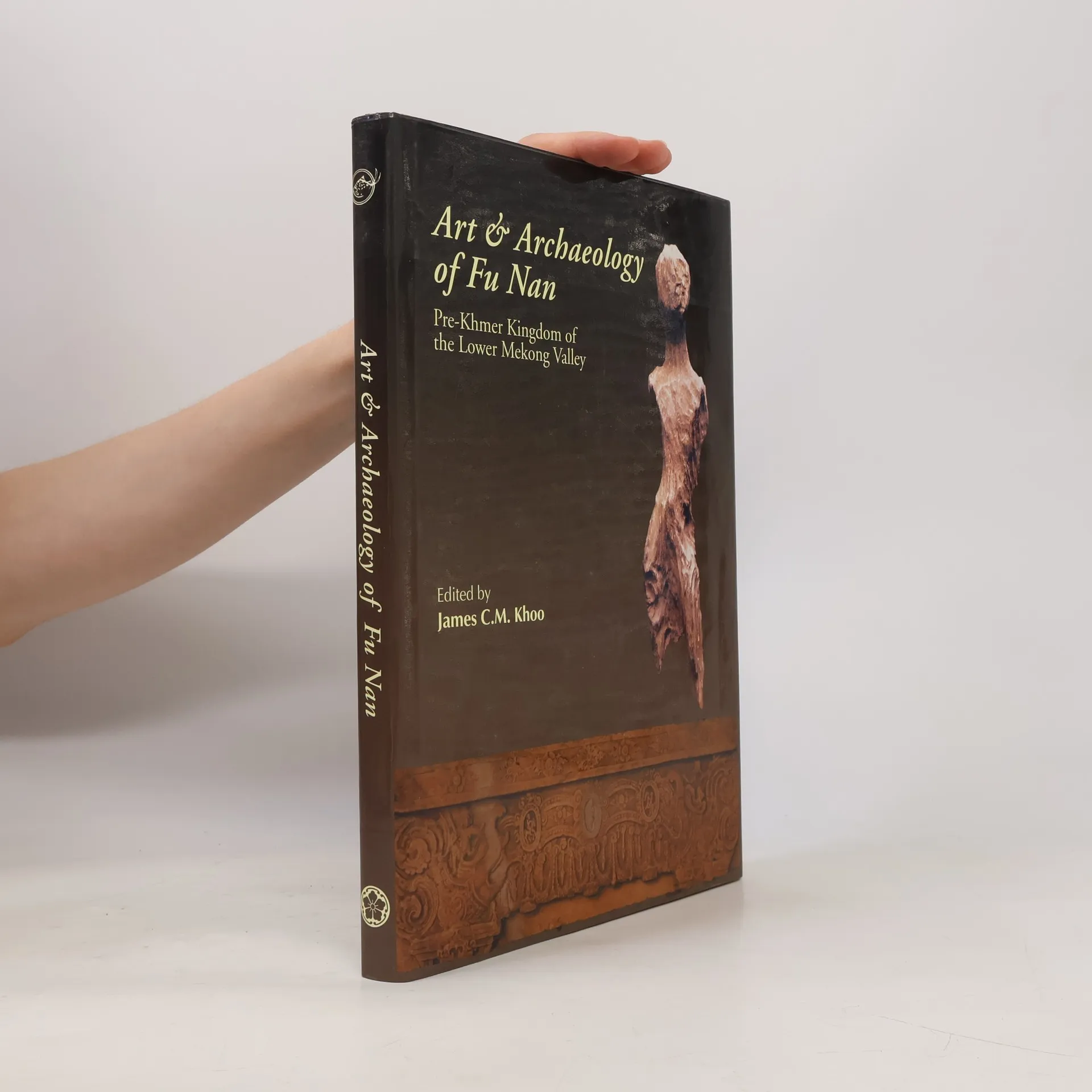
Pp. ix, 163; 9 maps and plan views, 100 color photos and color drawings. Publisher's original brown boards (hardcover) lettered in gilt on the spine, color pictorial dust jacket, lg 4to. This is the hardcover first edition in the original dust jacket. The dust jacket flap "While much has been published on Khmer civilization immediately preceding and during the Angkor period, the origins of this culture, deep in the Mekong Delta, remain relatively obscure. The results of initial explorations by French colonial archaeologists in the first half of the twentieth century were published in detail between 1959 and 1963 in editions which are now difficult to obtain. Interrupted by geopolitical factors until 1975, Vietnamese, Cambodian and foreign archaeologists have been active in this region since; however, aside from papers in specialized archaeological monographs, little has been published in western languages on the remarkable cultural remains that have been uncovered. The pre-Khmer culture of Fu Nan played an important role in maritime trade in Southeast Asia as early as the first centuries of the Common Era. Abundant evidence exists for wide trade links within the region, with South Asia and extending as far as the Mediterranean. Chinese annals also contain tantalizing references to the kingdom of Fu Nan, now largely unknown, despite its pivotal role as the precursor and early foundation of the Khmer culture. In this book, seven authorities on this rich early civilization describe its material remains, including architecture, sculpture, metalwork, jewelry and pottery, as well as trade wares which include, among many other riches, Roman coins. This important contribution to the art history of mainland Southeast Asia will be of interest to all who have marveled at the remains of the Khmers and Angkor and who have on the origins of these rich and powerful kingdoms" (from the jacket flap). No ownership marks.
Compra de libros
Art & Archaeology of Fu Nan, James C.M. Khoo
- Idioma

- Publicado en
- 2003
- product-detail.submit-box.info.binding
- (Tapa dura),
- Estado del libro
- Dañado
- Precio
- 71,10 €
Métodos de pago
Nadie lo ha calificado todavía.
- Idioma
- Inglés
- Autores
- James C.M. Khoo
- Editorial
- Orchid Press
- Publicado en
- 2003
- Formato
- Tapa dura
- Páginas
- 196
- ISBN10
- 9745240354
- ISBN13
- 9789745240353
- Serie
- Etiquetas
- Ciencias sociales, Tema histórico, Arte, EE.UU., Cultura y Sociedad, Antropología, China, Antigüedad, Asia, Historia del arte, Arqueología, Chino, Sudeste Asiático, Camboya
- Descripción
- Pp. ix, 163; 9 maps and plan views, 100 color photos and color drawings. Publisher's original brown boards (hardcover) lettered in gilt on the spine, color pictorial dust jacket, lg 4to. This is the hardcover first edition in the original dust jacket. The dust jacket flap "While much has been published on Khmer civilization immediately preceding and during the Angkor period, the origins of this culture, deep in the Mekong Delta, remain relatively obscure. The results of initial explorations by French colonial archaeologists in the first half of the twentieth century were published in detail between 1959 and 1963 in editions which are now difficult to obtain. Interrupted by geopolitical factors until 1975, Vietnamese, Cambodian and foreign archaeologists have been active in this region since; however, aside from papers in specialized archaeological monographs, little has been published in western languages on the remarkable cultural remains that have been uncovered. The pre-Khmer culture of Fu Nan played an important role in maritime trade in Southeast Asia as early as the first centuries of the Common Era. Abundant evidence exists for wide trade links within the region, with South Asia and extending as far as the Mediterranean. Chinese annals also contain tantalizing references to the kingdom of Fu Nan, now largely unknown, despite its pivotal role as the precursor and early foundation of the Khmer culture. In this book, seven authorities on this rich early civilization describe its material remains, including architecture, sculpture, metalwork, jewelry and pottery, as well as trade wares which include, among many other riches, Roman coins. This important contribution to the art history of mainland Southeast Asia will be of interest to all who have marveled at the remains of the Khmers and Angkor and who have on the origins of these rich and powerful kingdoms" (from the jacket flap). No ownership marks.