

Parámetros
- 377 páginas
- 14 horas de lectura
Más información sobre el libro
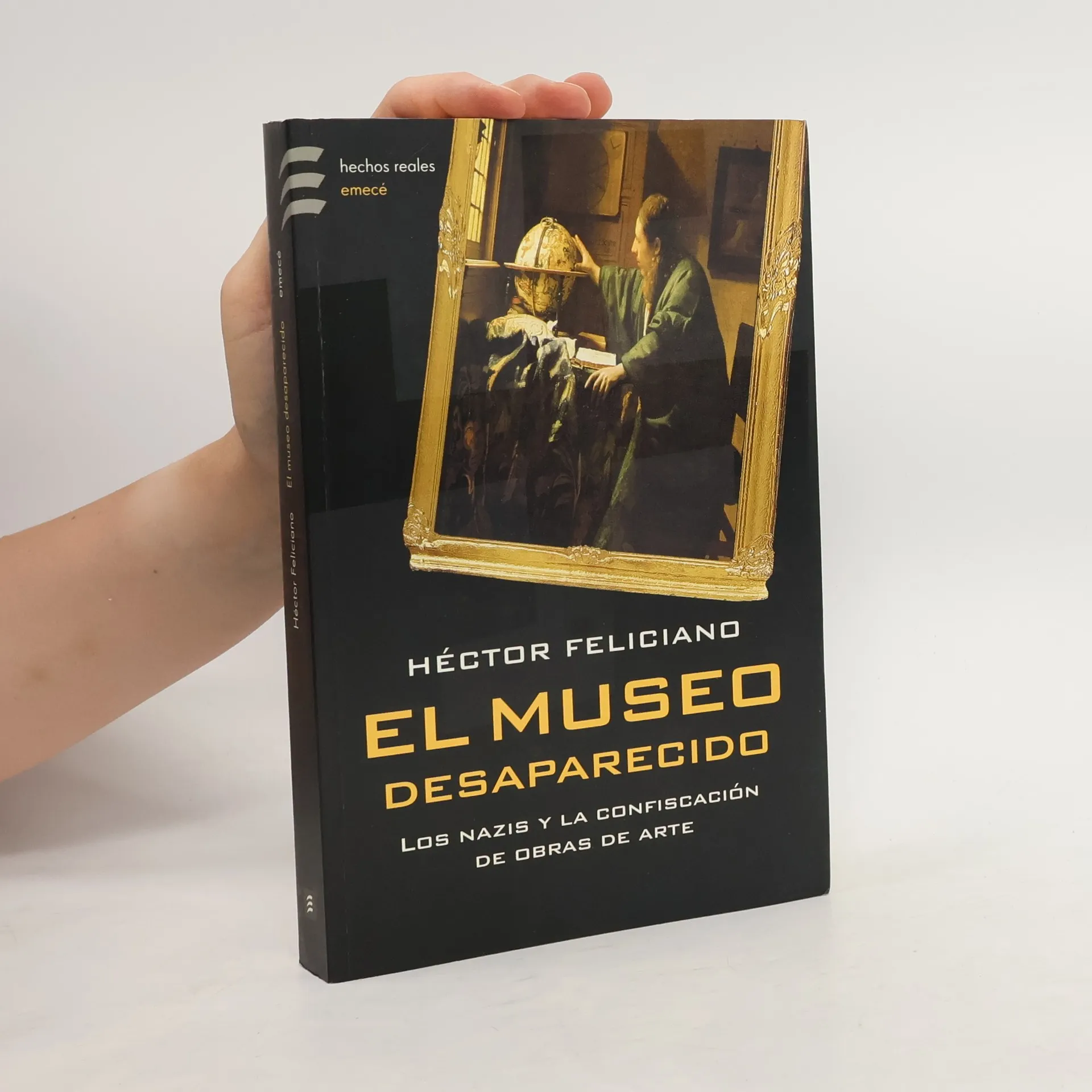
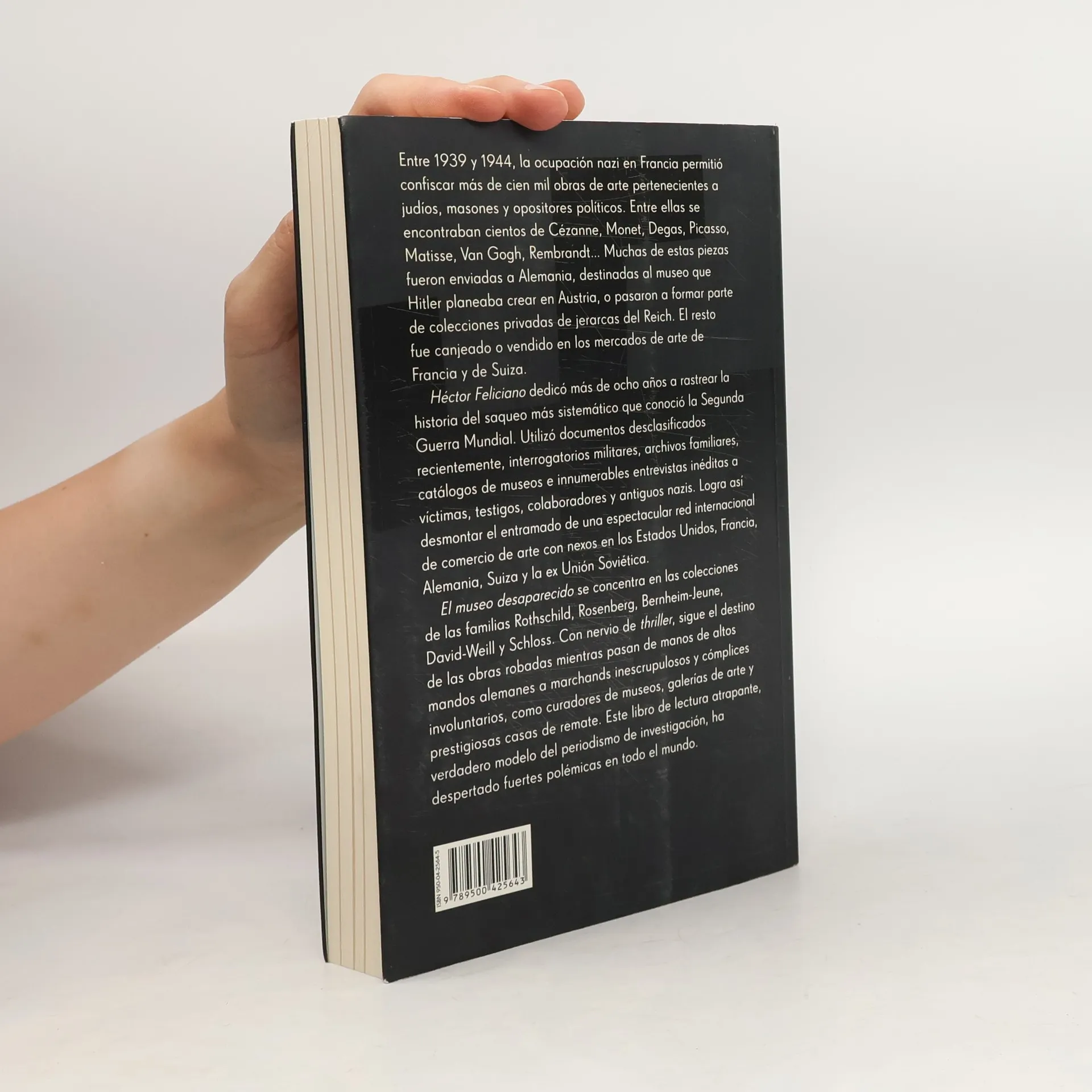
Between 1939 & 1944, as the Nazis overran Europe, they were also quietly conducting another type of pillage. The Lost Museum tells the story of the Jewish art collectors & gallery owners in France who were stripped of rare works by artists such as Vermeer, Rembrandt, Degas, Cézanne & Picasso. Before they were through, the Nazis had taken more than 20,000 paintings, sculptures & drawings from France. The Lost Museum explores the Nazis’ systematic confiscation of these artworks, focusing on the private collections of five families: Rothschild, Rosenberg, Bernheim-Jeune, David-Weill & Schloss. The book is filled with private family photos of this art, some of which has never before been seen by the public, & it traces the fate of these works as they passed thru the hands of top German officials, unscrupulous art dealers & unwitting auction houses such as Christie’s & Sotheby’s.


Compra de libros
El museo desaparecido, Hector Feliciano
- Idioma

- Publicado en
- 2004
- Encuadernación
- (Tapa blanda)
Métodos de pago
Nos falta tu reseña aquí
- Título
- El museo desaparecido
- Subtítulo
- Los nazis y la confiscación de obras de arte
- Idioma
- Español
- Autores
- Hector Feliciano
- Editorial
- Planeta
- Publicado en
- 2004
- Formato
- Tapa blanda
- Páginas
- 377
- ISBN10
- 9500425645
- ISBN13
- 9789500425643
- Serie
- Categorías
- Etiquetas
- Tema histórico, Arte, Segunda Guerra Mundial, Historia del arte, Museos
- Título original
- Le musée disparu
- Calificación
- 3,75 de 5
- Descripción
- Between 1939 & 1944, as the Nazis overran Europe, they were also quietly conducting another type of pillage. The Lost Museum tells the story of the Jewish art collectors & gallery owners in France who were stripped of rare works by artists such as Vermeer, Rembrandt, Degas, Cézanne & Picasso. Before they were through, the Nazis had taken more than 20,000 paintings, sculptures & drawings from France. The Lost Museum explores the Nazis’ systematic confiscation of these artworks, focusing on the private collections of five families: Rothschild, Rosenberg, Bernheim-Jeune, David-Weill & Schloss. The book is filled with private family photos of this art, some of which has never before been seen by the public, & it traces the fate of these works as they passed thru the hands of top German officials, unscrupulous art dealers & unwitting auction houses such as Christie’s & Sotheby’s.