

Más información sobre el libro
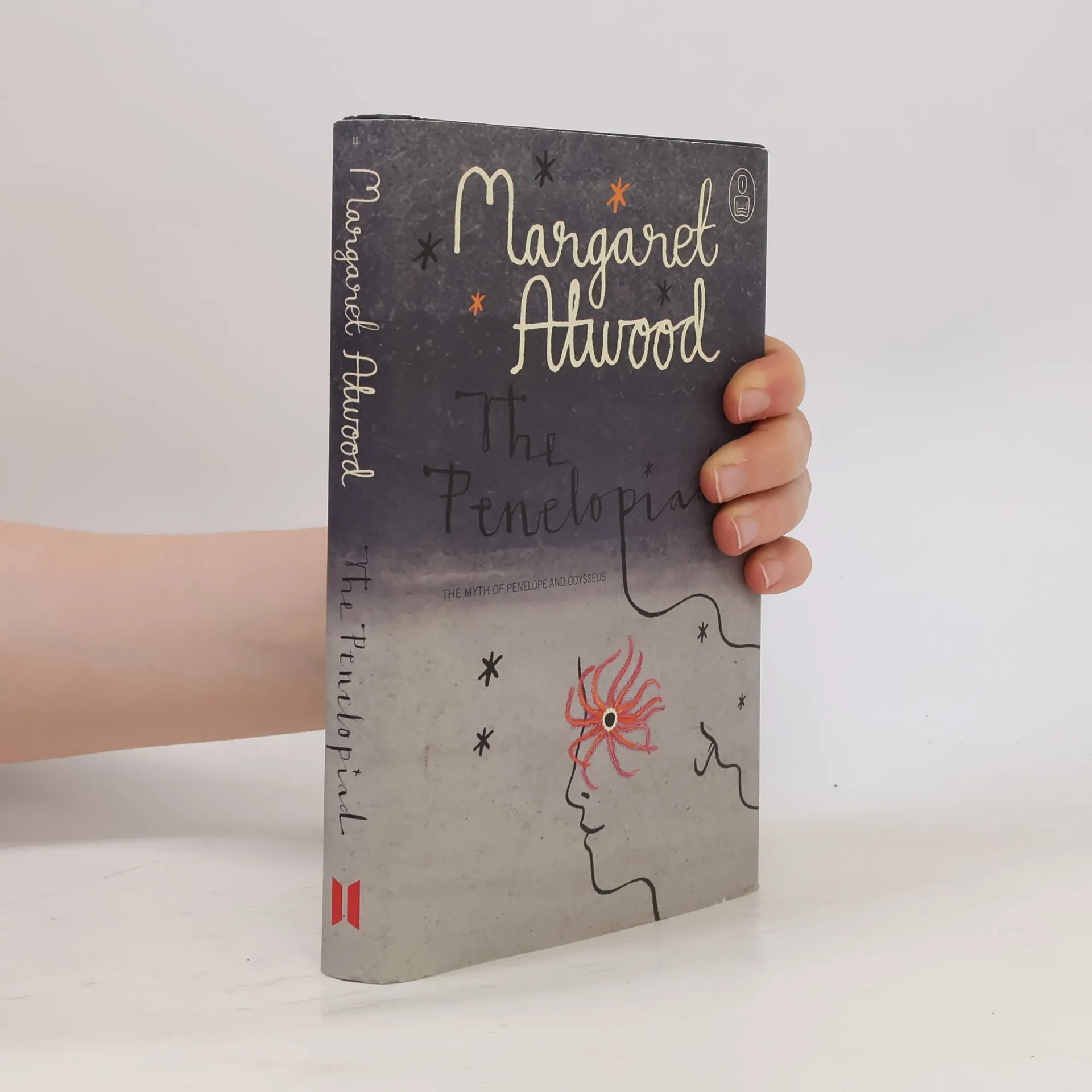
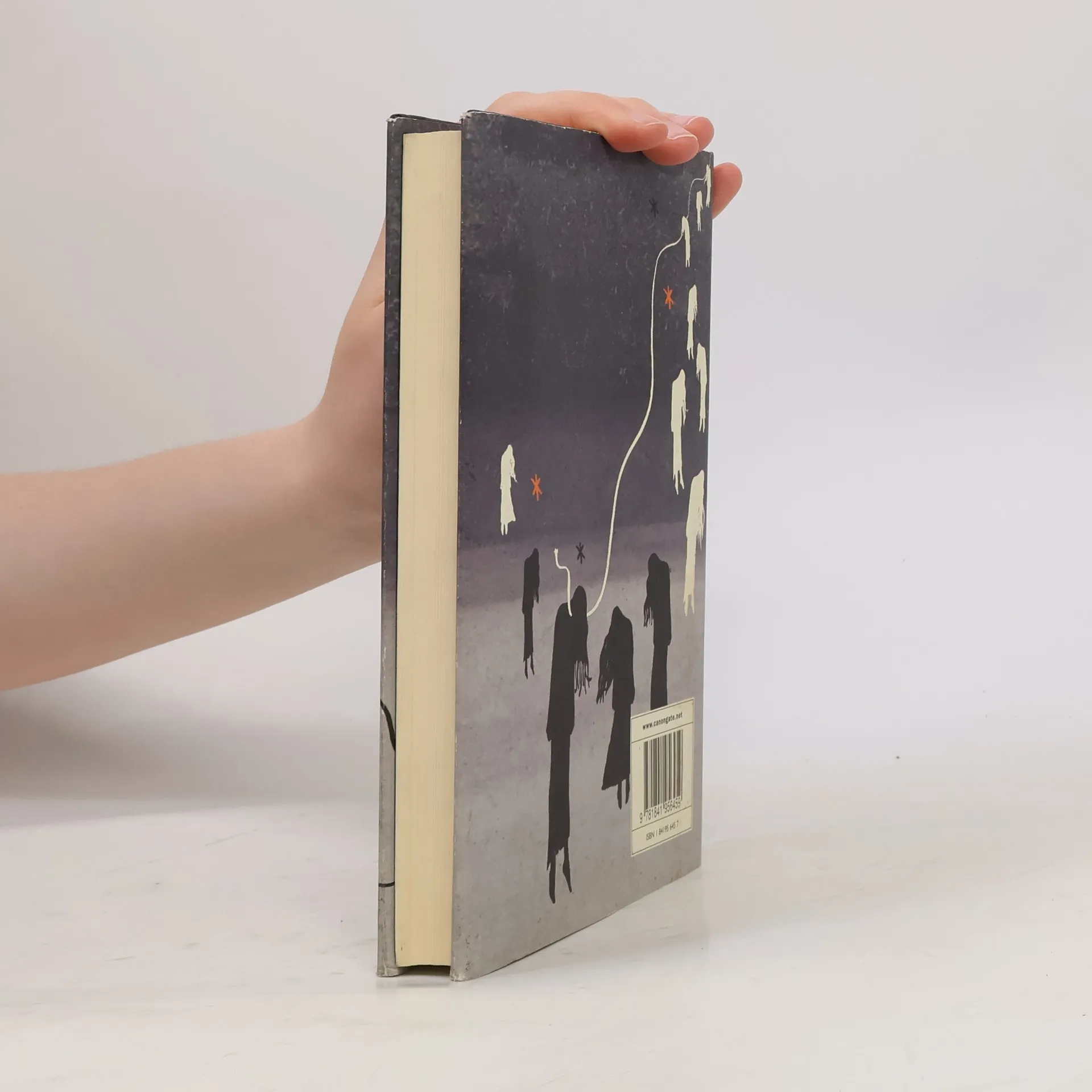
The story of Penelope -- as told by herself. In The Odyssey, Penelope -- daughter of King Icarius of Sparta, and the cousin of the beautiful Helen of Troy -- is portrayed as the quintessential faithful wife. Atwood's dazzling retelling of the old myth is as haunting as it is wise and compassionate, as disturbing as it is entertaining. With incomparable wit and verve, she gives the story of Penelope new life and reality. "Homer's Odyssey is not the only version of the story. Mythic material was originally oral, and also local--a myth would be told one way in one place and quite differently in another. I have drawn on material other than The Odyssey, especially for the details of Penelope's parentage, her early life and marriage, and the scandalous rumours circulating about her. I've chosen to give the telling of the story to Penelope and to her twelve hanged maids. The Maids form a chanting and singing Chorus which focuses on two questions that must pose themselves after any close reading of The Odyssey: what led to the hanging of the maids, and what was Penelope really up to? The story as told in The Odyssey doesn't hold water: there are too many inconsistencies. I've always been haunted by the hanged maids; and, in The Penelopiad, so is Penelope herself." --from Margaret Atwood's Introduction to The Penelopiad
Compra de libros
Myths: The Penelopiad, Margaret Atwood
- Idioma

- Publicado en
- 2005
- product-detail.submit-box.info.binding
- (Tapa dura),
- Estado del libro
- Bueno
- Precio
- 11,49 €
Métodos de pago
Nadie lo ha calificado todavía.
- Título
- Myths: The Penelopiad
- Subtítulo
- The Myth of Penelope and Odysseus
- Idioma
- Inglés
- Autores
- Margaret Atwood
- Editorial
- Canongate
- Publicado en
- 2005
- Formato
- Tapa dura
- Páginas
- 199
- ISBN10
- 1841956457
- ISBN13
- 9781841956459
- Serie
- Etiquetas
- Ficción, Fantasía, Novelas históricas, Poesía, Mujeres, Ficción contemporánea, Mitología, Feminismo, Antigüedad, Canadá, Siglo XXI, Grecia, Sobre libros, Mitología griega, Literatura Canadiense, Grecia antigua, Griego, Adaptaciones literarias
- Descripción
- The story of Penelope -- as told by herself. In The Odyssey, Penelope -- daughter of King Icarius of Sparta, and the cousin of the beautiful Helen of Troy -- is portrayed as the quintessential faithful wife. Atwood's dazzling retelling of the old myth is as haunting as it is wise and compassionate, as disturbing as it is entertaining. With incomparable wit and verve, she gives the story of Penelope new life and reality. "Homer's Odyssey is not the only version of the story. Mythic material was originally oral, and also local--a myth would be told one way in one place and quite differently in another. I have drawn on material other than The Odyssey, especially for the details of Penelope's parentage, her early life and marriage, and the scandalous rumours circulating about her. I've chosen to give the telling of the story to Penelope and to her twelve hanged maids. The Maids form a chanting and singing Chorus which focuses on two questions that must pose themselves after any close reading of The Odyssey: what led to the hanging of the maids, and what was Penelope really up to? The story as told in The Odyssey doesn't hold water: there are too many inconsistencies. I've always been haunted by the hanged maids; and, in The Penelopiad, so is Penelope herself." --from Margaret Atwood's Introduction to The Penelopiad