

Parámetros
- 160 páginas
- 6 horas de lectura
Más información sobre el libro
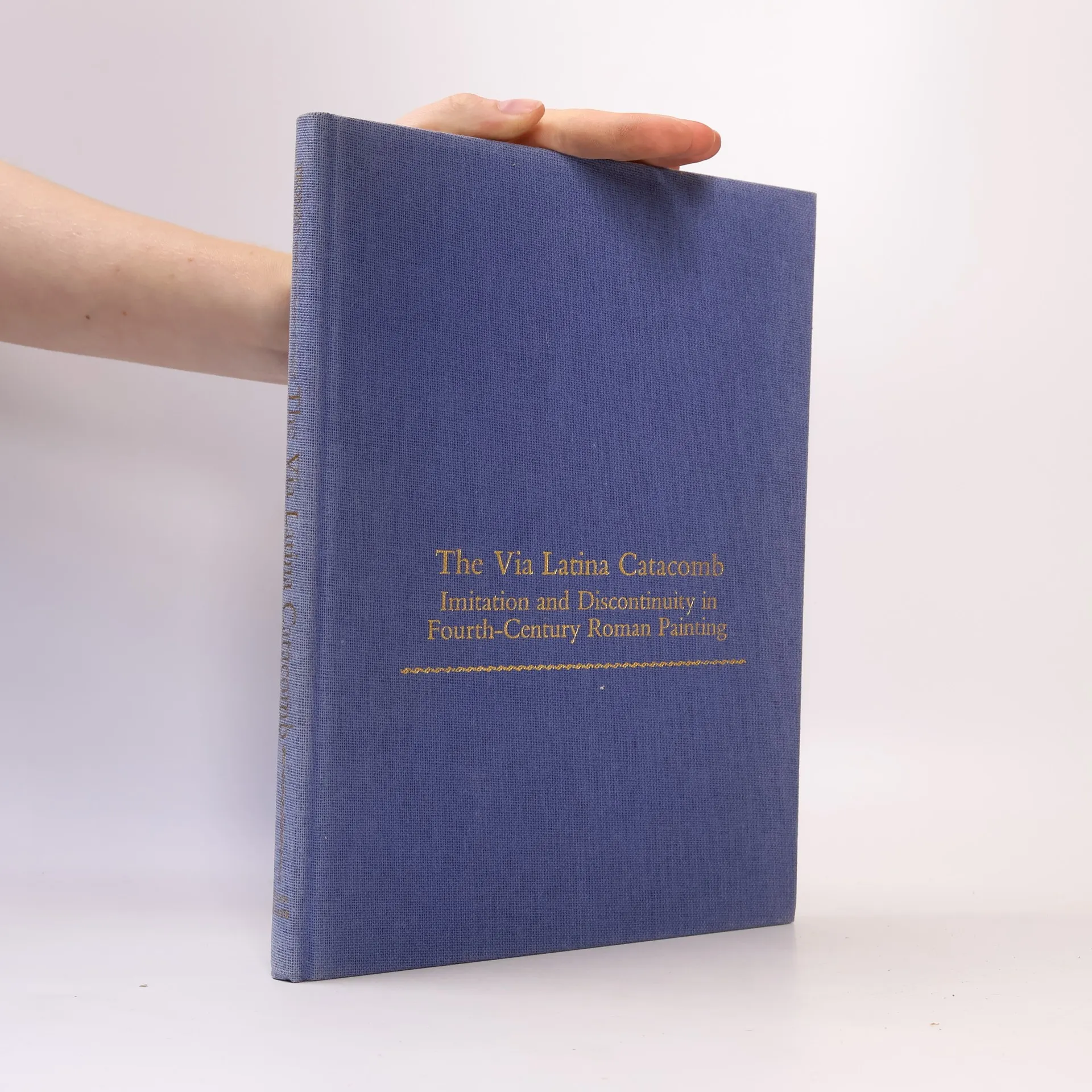
During the building of an apartment house on the Via Latina in Rome in 1955 a small Christian catacomb was brought to light, a chance archaeological discovery that turned out to be a startling revelation. The architectural form and painted decoration of the catacomb were much remarked—not only were they exceptionally lavish, they also proved exceedingly difficult to fit into the traditional picture of the development of Christian art in late antique Rome. The Via Latina Imitation and Discontinuity in Fourth-Century Roman Painting is the first in-depth study of the monument in terms of its structure and function. A single question that arises from the monument itself serves to focus the Why was the last chamber in the catacomb made as a copy of one of the first? But the question is also one that demands a comprehensive approach. Thus the catacomb is examined with regard to its construction, plan, and architectural form, as well as its style of painting and imagery.
Compra de libros
Monographs on the Fine Arts: The Via Latina Catacomb, William Tronzo
- Idioma

- Publicado en
- 1985
- Encuadernación
- (Tapa dura)
Métodos de pago
Nadie lo ha calificado todavía.
- Título
- Monographs on the Fine Arts: The Via Latina Catacomb
- Subtítulo
- Imitation and Discontinuity in Fourth-Century Roman Painting
- Idioma
- Inglés
- Autores
- William Tronzo
- Editorial
- Penn State University Press
- Publicado en
- 1985
- Formato
- Tapa dura
- Páginas
- 160
- ISBN10
- 0271003898
- ISBN13
- 9780271003894
- Serie
- Etiquetas
- Tema histórico, Arte, Italia, Europa del Sur, Historia del arte, Roma, Europa Occidental, Antigua Roma
- Descripción
- During the building of an apartment house on the Via Latina in Rome in 1955 a small Christian catacomb was brought to light, a chance archaeological discovery that turned out to be a startling revelation. The architectural form and painted decoration of the catacomb were much remarked—not only were they exceptionally lavish, they also proved exceedingly difficult to fit into the traditional picture of the development of Christian art in late antique Rome. The Via Latina Imitation and Discontinuity in Fourth-Century Roman Painting is the first in-depth study of the monument in terms of its structure and function. A single question that arises from the monument itself serves to focus the Why was the last chamber in the catacomb made as a copy of one of the first? But the question is also one that demands a comprehensive approach. Thus the catacomb is examined with regard to its construction, plan, and architectural form, as well as its style of painting and imagery.