

Parámetros
- 168 páginas
- 6 horas de lectura
Más información sobre el libro
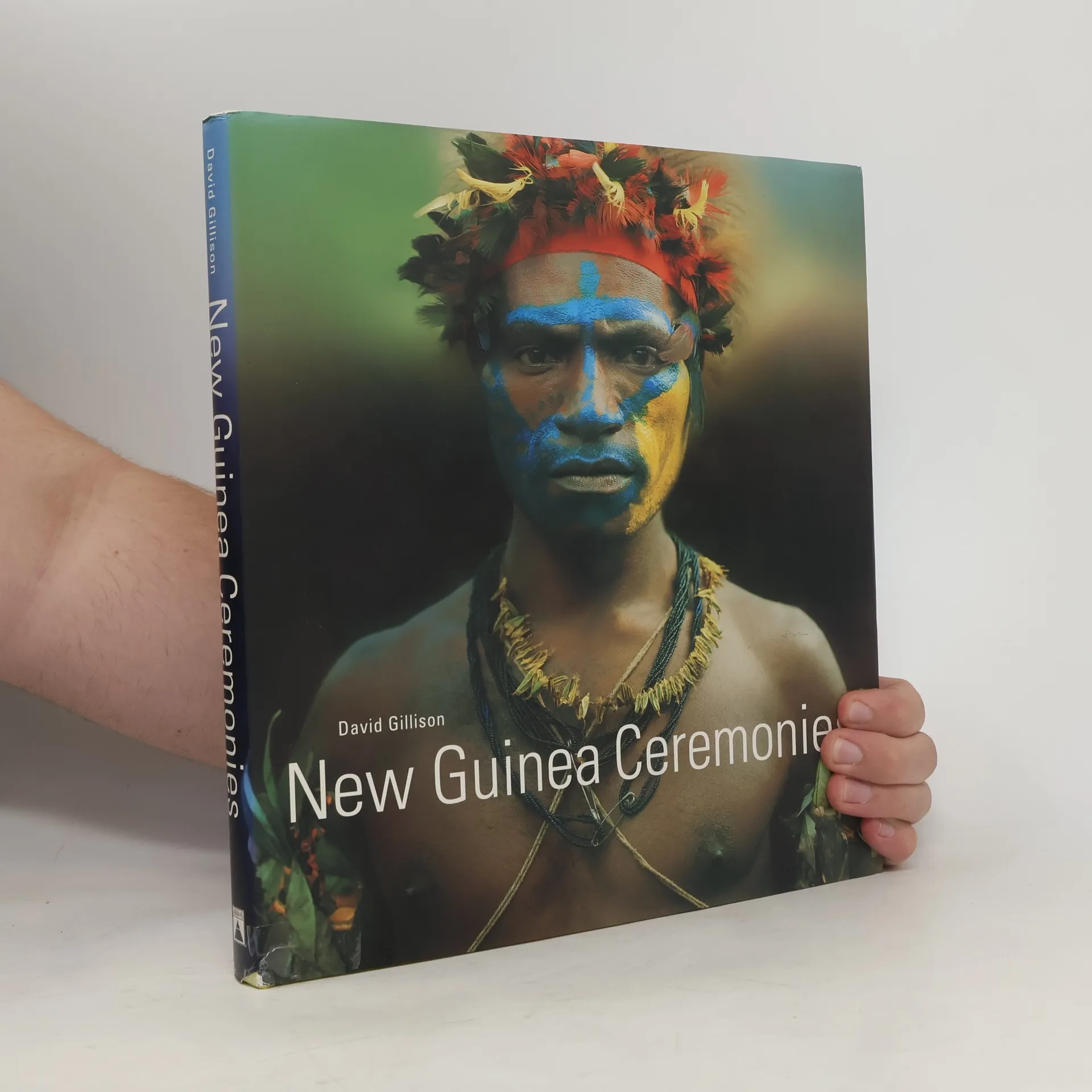
When David Gillison first arrived in New Guinea in 1973, ceremonies marking birth, death, initiation, and marriage were still being conducted by the Gimi tribe as they had been for thousands of years. Today, many of the Gimi's indigenous traditions, like those depicted in Abrams' acclaimed African Ceremonies, are disappearing forever. Gillison's brilliant photographs and intimate text capture the remarkable dramas enacted during what was probably the last-ever Hau, a two-week fertility festival. Ranging from creation myths to scenarios of affairs, clan jealousies, and family strife, these playlets, ultimately forbidden by Westerners, are no longer performed. Gillison movingly preserves them here for history. The only photographic record we have of the Gimi and their unique theater rituals, the book also depicts the major effort to save the spectacular rainforest home of the Gimi, which stands as a world model for indigenous conservation.
Compra de libros
New Guinea Ceremonies, David Gillison
- Idioma

- Publicado en
- 2002
- Encuadernación
- (Tapa dura)
Métodos de pago
Nadie lo ha calificado todavía.
- Título
- New Guinea Ceremonies
- Idioma
- Inglés
- Autores
- David Gillison
- Editorial
- Harry N. Abrams
- Publicado en
- 2002
- Formato
- Tapa dura
- Páginas
- 168
- ISBN10
- 0810906015
- ISBN13
- 9780810906013
- Serie
- Etiquetas
- Naturaleza, Temática ecológica, Historia Cultural
- Descripción
- When David Gillison first arrived in New Guinea in 1973, ceremonies marking birth, death, initiation, and marriage were still being conducted by the Gimi tribe as they had been for thousands of years. Today, many of the Gimi's indigenous traditions, like those depicted in Abrams' acclaimed African Ceremonies, are disappearing forever. Gillison's brilliant photographs and intimate text capture the remarkable dramas enacted during what was probably the last-ever Hau, a two-week fertility festival. Ranging from creation myths to scenarios of affairs, clan jealousies, and family strife, these playlets, ultimately forbidden by Westerners, are no longer performed. Gillison movingly preserves them here for history. The only photographic record we have of the Gimi and their unique theater rituals, the book also depicts the major effort to save the spectacular rainforest home of the Gimi, which stands as a world model for indigenous conservation.