

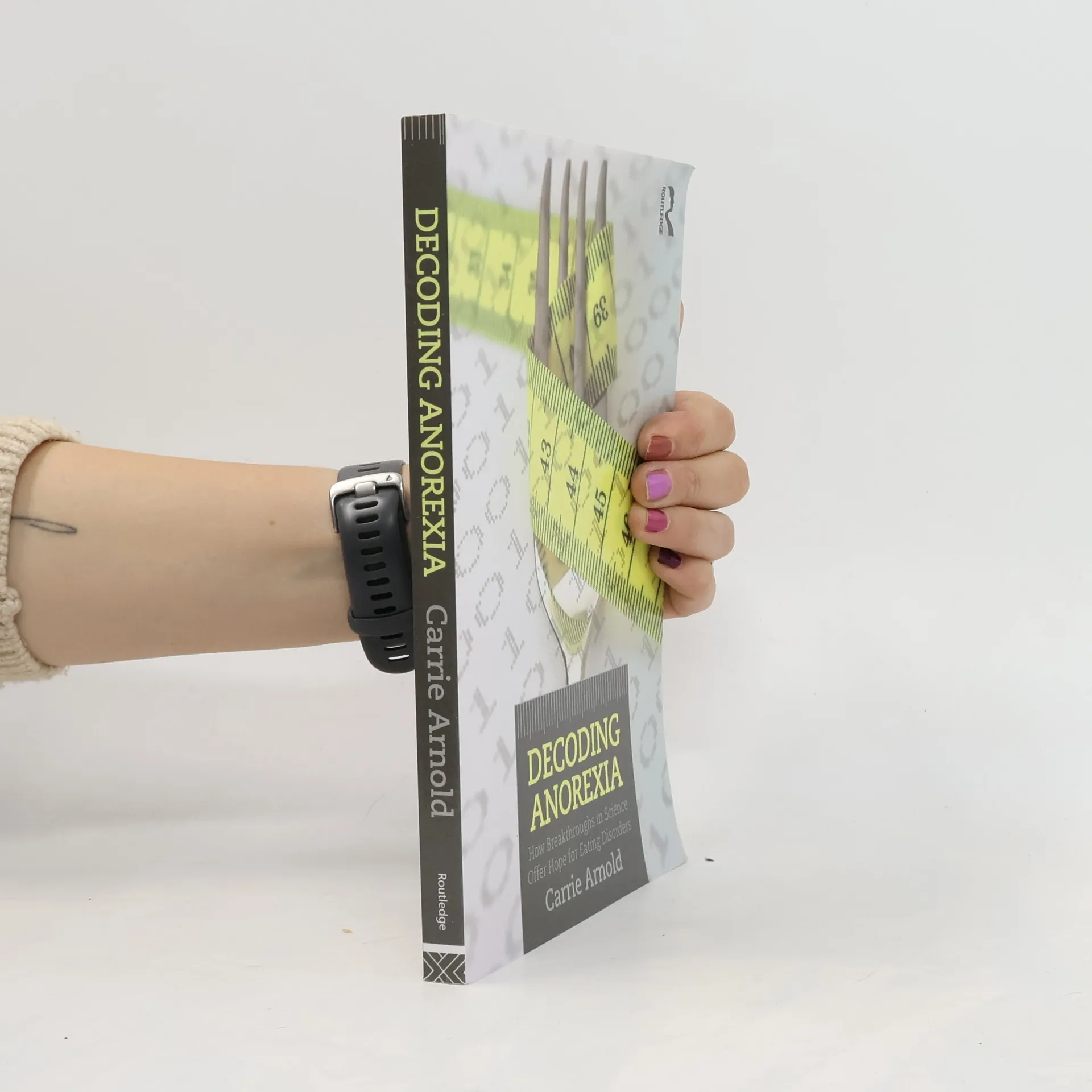

Más información sobre el libro
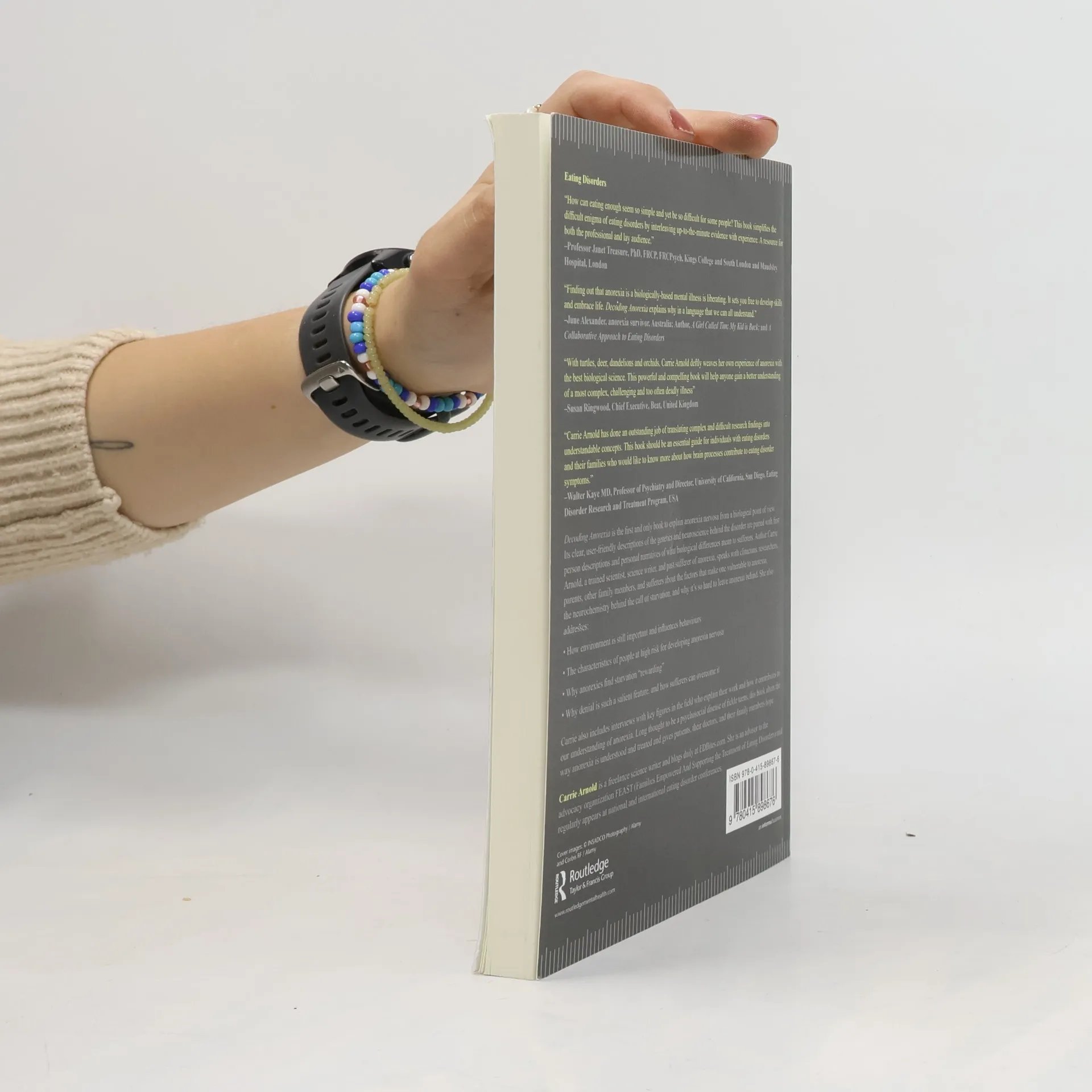
Decoding Anorexia is the first and only book to explain anorexia nervosa from a biological point of view. Its clear, user-friendly descriptions of the genetics and neuroscience behind the disorder is paired with first person descriptions and personal narratives of what biological differences mean to sufferers. Author Carrie Arnold, a trained scientist, science writer, and past sufferer of anorexia, speaks with clinicians, researchers, parents, other family members, and sufferers about the factors that make one vulnerable to anorexia, the neurochemistry behind the call of starvation, and why it's so hard to leave anorexia behind. She also addresses: - How environment is still important and influences behaviors - The characteristics of people at high risk for developing anorexia nervosa - Why anorexics find starvation "rewarding" - Why denial is such a salient feature, and how sufferers can overcome it Carrie also includes interviews with key figures in the field who explain their work and how it contributes to our understanding of anorexia. Long thought to be a psychosocial disease of fickle teens, this book alters the way anorexia is understood and treated and gives patients, their doctors, and their family members hope.
Compra de libros
Decoding Anorexia, Carrie Arnold, Cynthia M. Bulik
- Idioma

- Publicado en
- 2012
- Encuadernación
- (Tapa blanda)
Métodos de pago
Nadie lo ha calificado todavía.
- Título
- Decoding Anorexia
- Subtítulo
- How Breakthroughs In Science Offer Hope For Eating Disorders
- Idioma
- Inglés
- Autores
- Carrie Arnold, Cynthia M. Bulik
- Editorial
- Routledge
- Publicado en
- 2012
- Formato
- Tapa blanda
- Páginas
- 216
- ISBN10
- 0415898676
- ISBN13
- 9780415898676
- Serie
- Etiquetas
- Temas psicológicos, Comida, Salud mental, Psicoterapia, Psicología Clínica, Trastornos de ansiedad, Psicopatología, Aspectos Psicológicos, Trastornos de la Alimentación, Pacientes
- Descripción
- Decoding Anorexia is the first and only book to explain anorexia nervosa from a biological point of view. Its clear, user-friendly descriptions of the genetics and neuroscience behind the disorder is paired with first person descriptions and personal narratives of what biological differences mean to sufferers. Author Carrie Arnold, a trained scientist, science writer, and past sufferer of anorexia, speaks with clinicians, researchers, parents, other family members, and sufferers about the factors that make one vulnerable to anorexia, the neurochemistry behind the call of starvation, and why it's so hard to leave anorexia behind. She also addresses: - How environment is still important and influences behaviors - The characteristics of people at high risk for developing anorexia nervosa - Why anorexics find starvation "rewarding" - Why denial is such a salient feature, and how sufferers can overcome it Carrie also includes interviews with key figures in the field who explain their work and how it contributes to our understanding of anorexia. Long thought to be a psychosocial disease of fickle teens, this book alters the way anorexia is understood and treated and gives patients, their doctors, and their family members hope.