



Más información sobre el libro
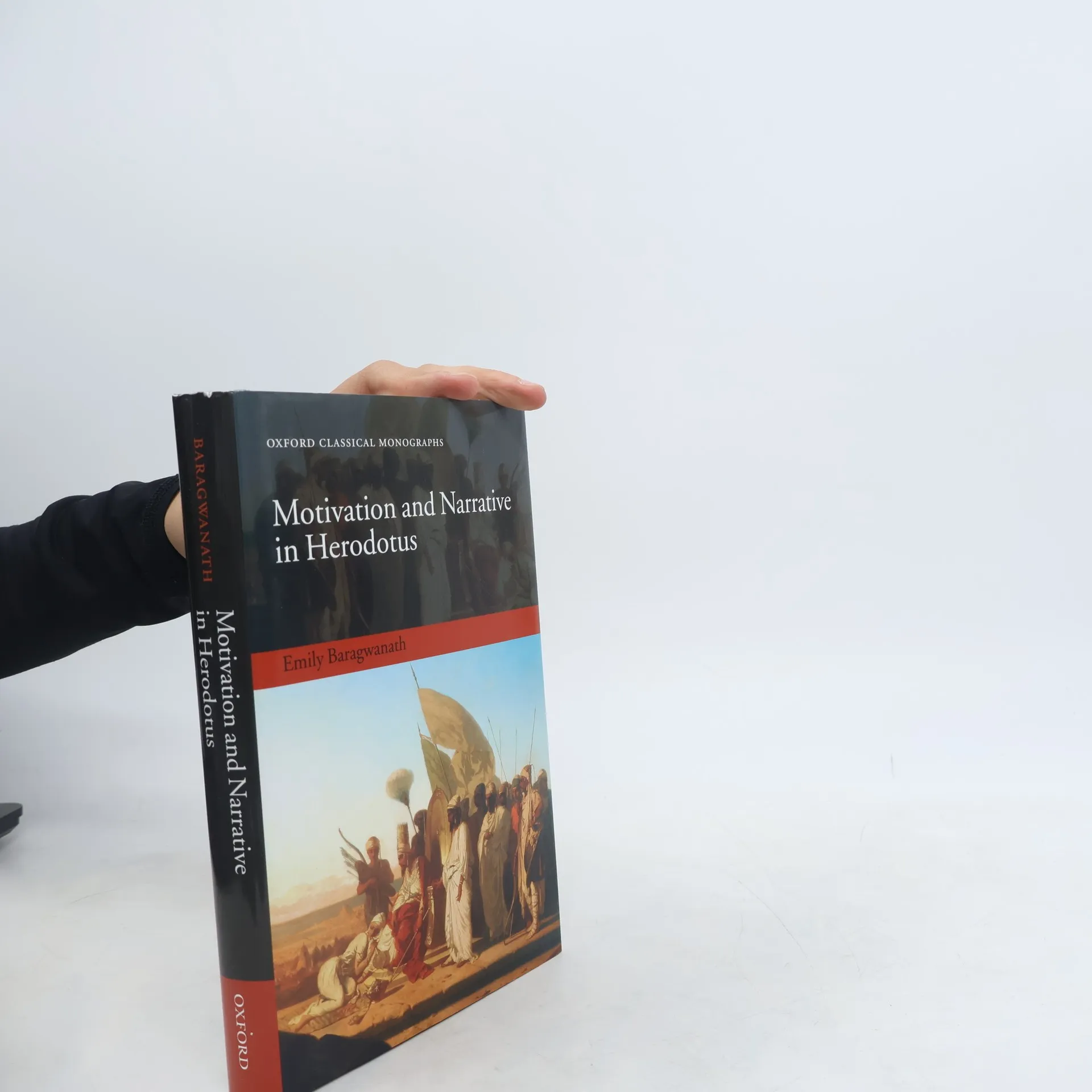
In his extraordinary story of the defence of Greece against the Persian invasions of 490-480 BC Herodotus sought to communicate not only what happened, but also the background of thoughts and perceptions that shaped those events and became critical to their interpretation afterwards. Much as the contemporary sophists strove to discover truth about the invisible, Herodotus was acutely concerned to uncover hidden human motivations, whose depiction was vital to his project of recounting and explaining the past. Emily Baragwanath explores the sophisticated narrative techniques with which Herodotus represented this most elusive variety of historical knowledge. Thus he was able to tell a lucid story of the past while nonetheless exposing the methodological and epistemological challenges it presented. Baragwanath illustrates and analyses a range of these techniques over the course of a wide selection of Herodotus' most intriguing narratives - from those on Athenian democracy and tyrannyto Leonidas and Thermopylae - and thus supplies a method for reading the Histories more generally.
Compra de libros
Oxford Classical Monographs: Motivation and Narrative in Herodotus, Emily Baragwanath
- Idioma

- Publicado en
- 2008
- Encuadernación
- (Tapa dura),
- Estado del libro
- Bueno
- Precio
- 15,49 €
Métodos de pago
Nadie lo ha calificado todavía.
- Título
- Oxford Classical Monographs: Motivation and Narrative in Herodotus
- Idioma
- Inglés
- Autores
- Emily Baragwanath
- Editorial
- Oxford University Press
- Publicado en
- 2008
- Formato
- Tapa dura
- Páginas
- 374
- ISBN10
- 019923129X
- ISBN13
- 9780199231294
- Serie
- Categorías
- Etiquetas
- Tema histórico, Literatura y política
- Descripción
- In his extraordinary story of the defence of Greece against the Persian invasions of 490-480 BC Herodotus sought to communicate not only what happened, but also the background of thoughts and perceptions that shaped those events and became critical to their interpretation afterwards. Much as the contemporary sophists strove to discover truth about the invisible, Herodotus was acutely concerned to uncover hidden human motivations, whose depiction was vital to his project of recounting and explaining the past. Emily Baragwanath explores the sophisticated narrative techniques with which Herodotus represented this most elusive variety of historical knowledge. Thus he was able to tell a lucid story of the past while nonetheless exposing the methodological and epistemological challenges it presented. Baragwanath illustrates and analyses a range of these techniques over the course of a wide selection of Herodotus' most intriguing narratives - from those on Athenian democracy and tyrannyto Leonidas and Thermopylae - and thus supplies a method for reading the Histories more generally.