



Parámetros
- 206 páginas
- 8 horas de lectura
Más información sobre el libro
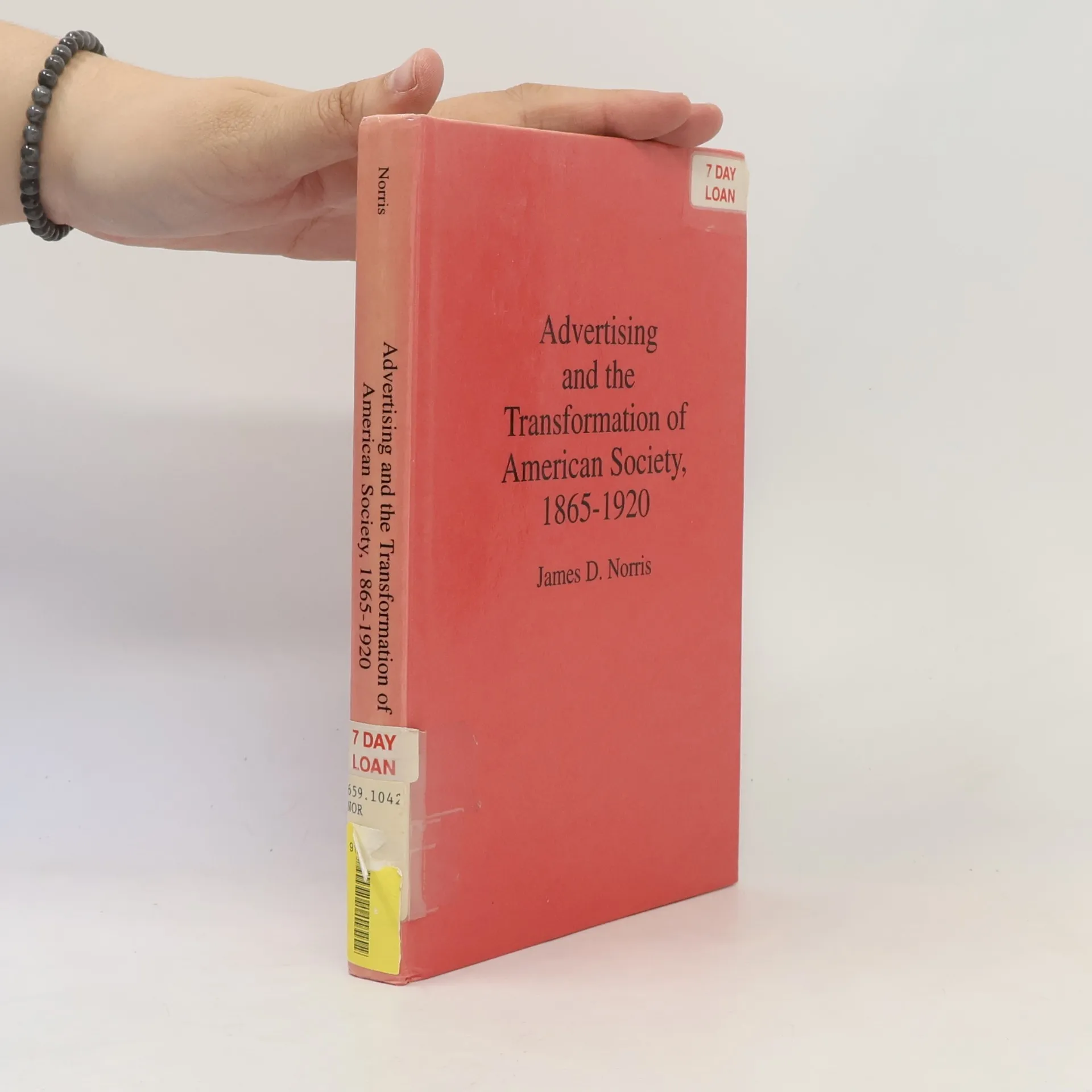
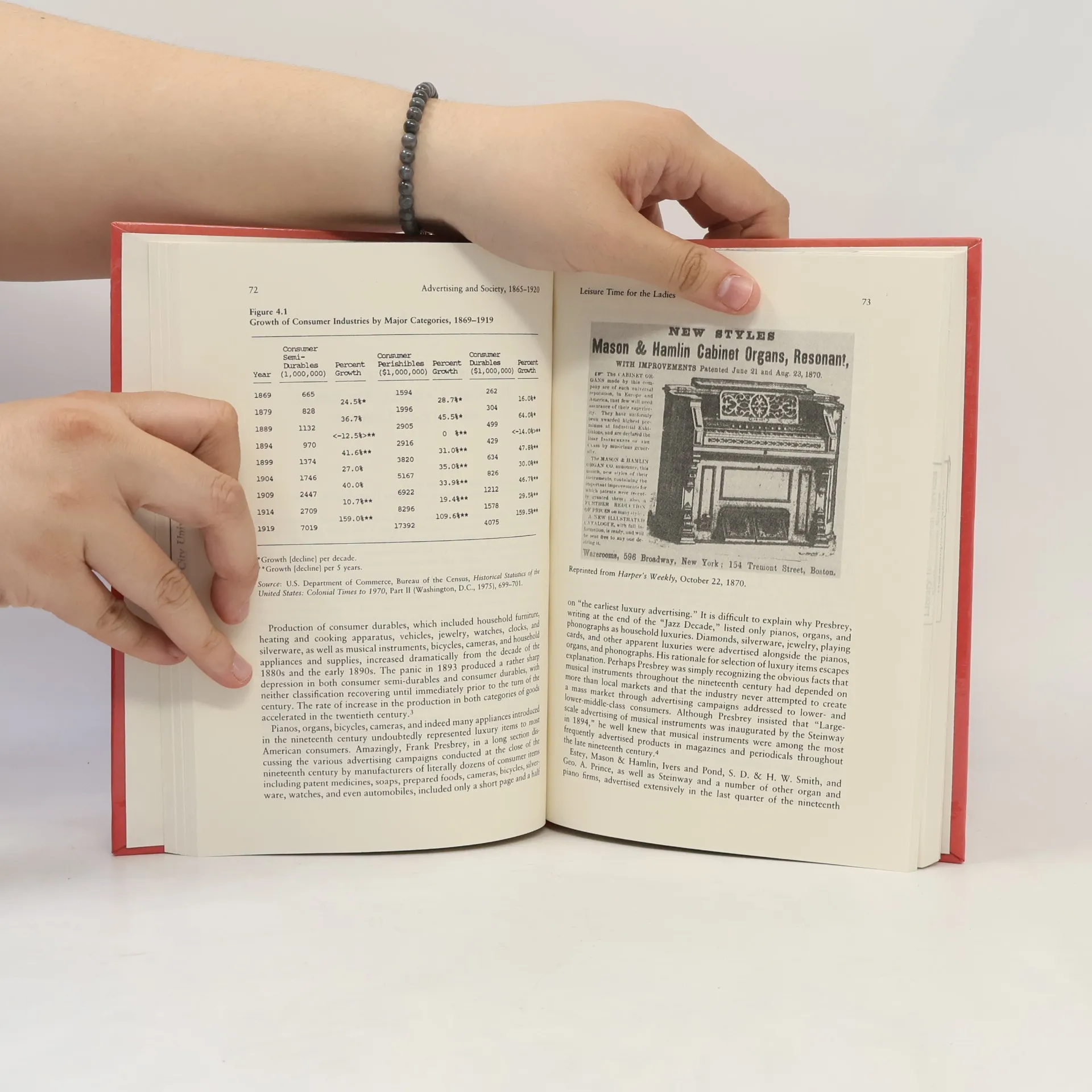
Between 1865 and 1920, America underwent a significant transformation from a rural-farming economy to an urban-manufacturing one, which profoundly affected consumer behavior. This shift is vividly reflected in the advertisements of popular magazines, which evolved from merely informing consumers about product costs and availability to embodying the American dream through a consumption ethic by 1920. In this historical analysis, James Norris examines how advertising contributed to the development of a national market for consumer goods, created demand for mass-produced items, and altered Americans' consumption habits. Focusing on popular journals and magazines with national reach, Norris illustrates how by the 1920s, consumption and spending had supplanted traditional virtues. He delves into various factors influencing this change, such as the emergence of national markets, strategies used to persuade consumers to buy unfamiliar products, and the shift from locally produced goods to mass-market items. Additional elements considered include the decline of localism, a more educated populace, advancements in mass production, and rising per-capita income. Norris quotes and reproduces advertisements to reinforce his argument that they reflect the society that created them. This study serves as a vital resource for courses in business history, economics, women's studies, and advertising history, making it a valuable addition to lib
Compra de libros
Advertising and the Transformation of American Society, 1865-1920, James D. Norris
- Idioma

- Publicado en
- 1990
- product-detail.submit-box.info.binding
- (Tapa dura),
- Estado del libro
- Dañado
- Precio
- 7,74 €
Métodos de pago
Nadie lo ha calificado todavía.
- Idioma
- Inglés
- Autores
- James D. Norris
- Editorial
- Praeger
- Publicado en
- 1990
- Formato
- Tapa dura
- Páginas
- 206
- ISBN10
- 0313268010
- ISBN13
- 9780313268014
- Serie
- Etiquetas
- No ficción, Ciencias sociales, Tema histórico, Comercio, Negocios & Gestión, Economía
- Descripción
- Between 1865 and 1920, America underwent a significant transformation from a rural-farming economy to an urban-manufacturing one, which profoundly affected consumer behavior. This shift is vividly reflected in the advertisements of popular magazines, which evolved from merely informing consumers about product costs and availability to embodying the American dream through a consumption ethic by 1920. In this historical analysis, James Norris examines how advertising contributed to the development of a national market for consumer goods, created demand for mass-produced items, and altered Americans' consumption habits. Focusing on popular journals and magazines with national reach, Norris illustrates how by the 1920s, consumption and spending had supplanted traditional virtues. He delves into various factors influencing this change, such as the emergence of national markets, strategies used to persuade consumers to buy unfamiliar products, and the shift from locally produced goods to mass-market items. Additional elements considered include the decline of localism, a more educated populace, advancements in mass production, and rising per-capita income. Norris quotes and reproduces advertisements to reinforce his argument that they reflect the society that created them. This study serves as a vital resource for courses in business history, economics, women's studies, and advertising history, making it a valuable addition to lib