

Más información sobre el libro
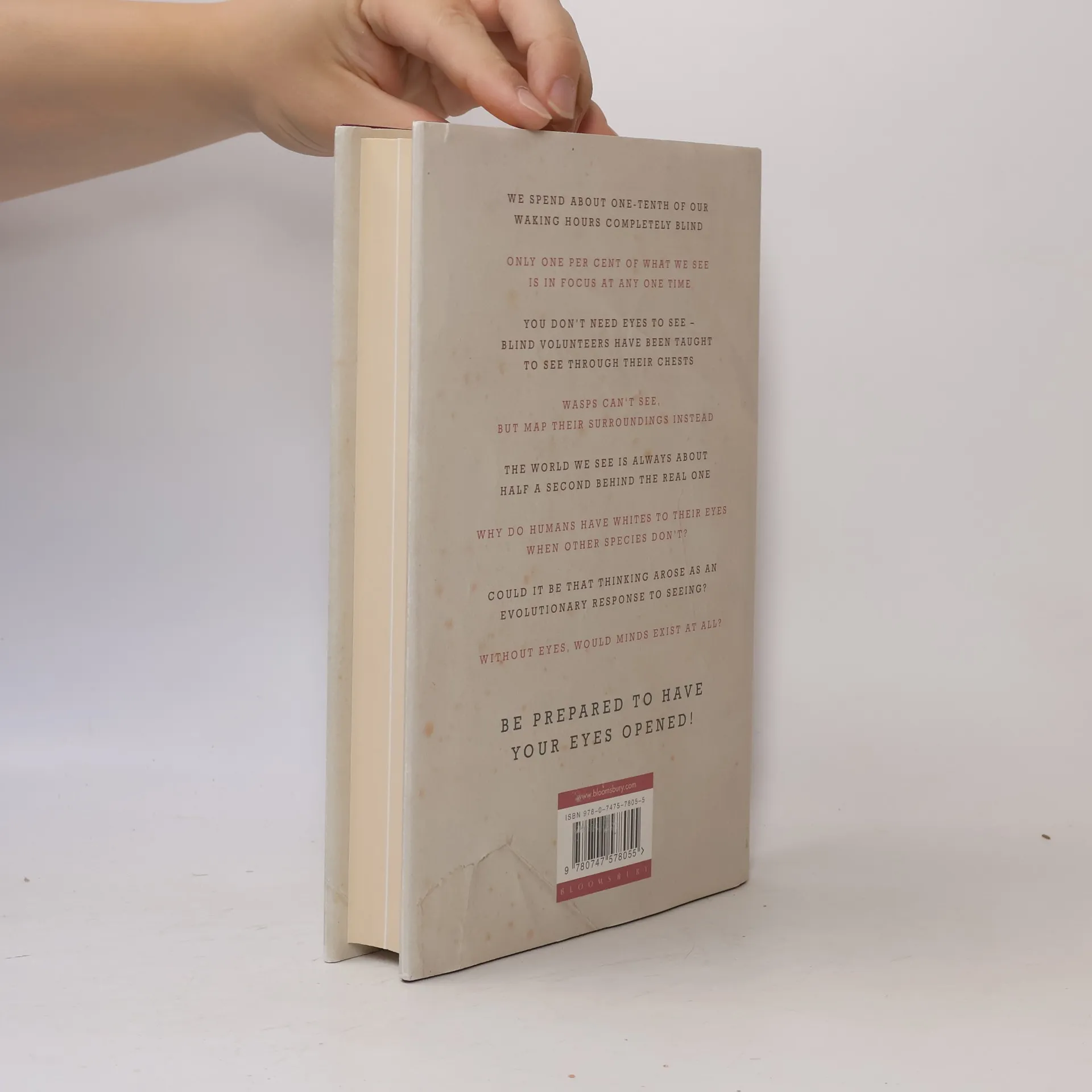
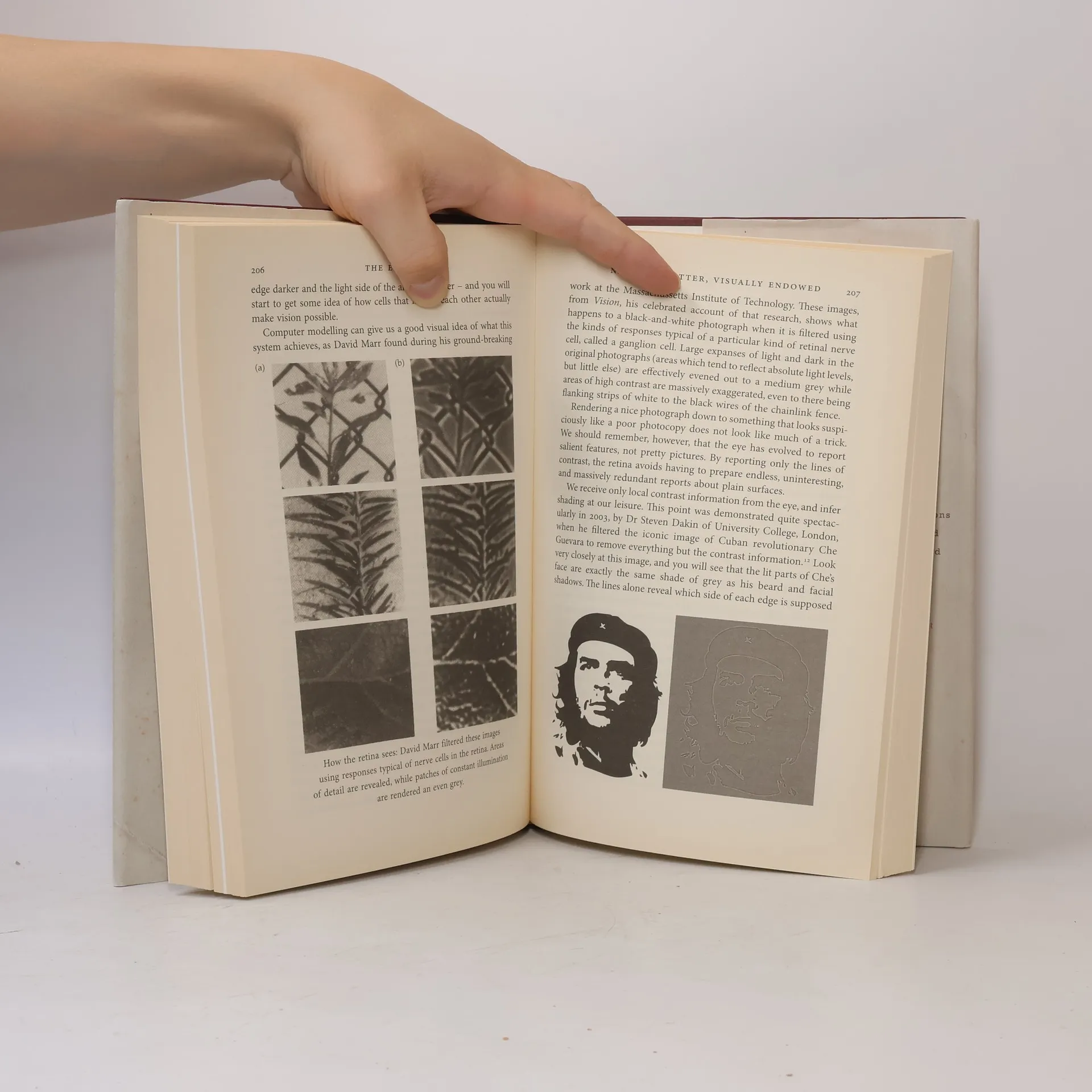
We spend about one-tenth of our waking hours completely blind Only one percent of what we see is in focus at any one time We exist in a world we see that's always about half a second behind the real one In fact you don't need eyes to see - blind volunteers have been taught to see through their chests Wasps can't see, but map their surroundings instead If we are stared at, our heartbeat rises and our galvanic skin response alters How many generations did it take for the first fish to acquire eyes? 400,000 Why do humans have whites to their eyes when other species don't? Could it be that thinking arose as an evolutionary response to seeing? Without eyes, would minds exist at all? Be prepared to have your eyes opened! Using a spellbinding mix of scientific research, mathematics, philosophy, history, neuroscience, anecdote and language theory, in The Eye Simon Ings unravels brilliantly the never-ending puzzle of how and why we see in the way that we do. From looking at the work of a huge range of theorists and scientists, to myths and personal experiences, and with the help of a beguiling mix of illustrated visual conundrums and enigmas, Ings triumphs with a compelling dissection of the age-old mysteries of the eye that's both seriously interesting and interestingly fun. He tells the eye's whole story for the very first time, fusing eye and sight into a single story - this is popular science of the highest order.

Compra de libros
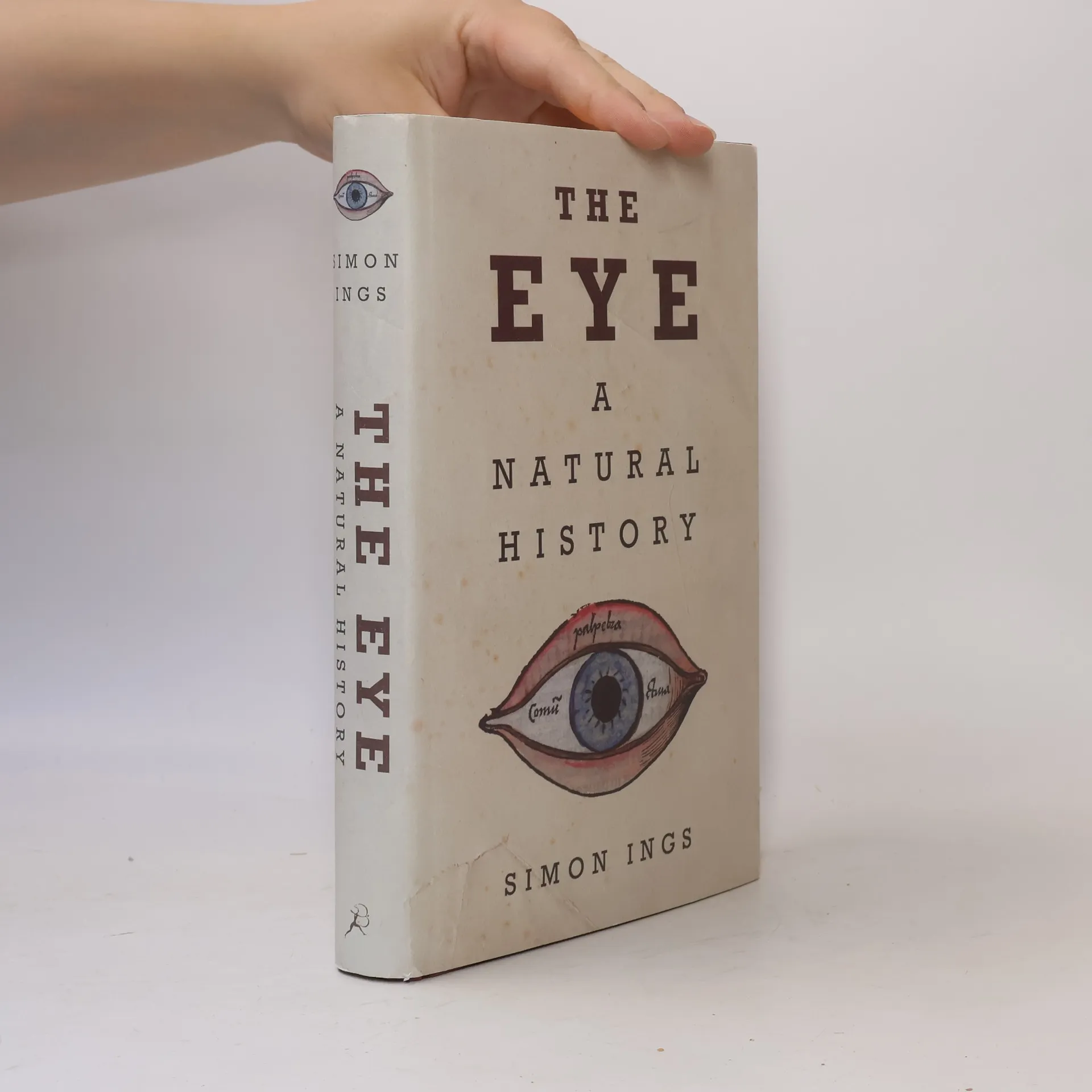
The Eye, Simon Ings
- Idioma

- Publicado en
- 2007
- Encuadernación
- (Tapa dura)
Métodos de pago
Nadie lo ha calificado todavía.
- Título
- The Eye
- Subtítulo
- A Natural History
- Idioma
- Inglés
- Autores
- Simon Ings
- Editorial
- Bloomsbury Publishing
- Publicado en
- 2007
- Formato
- Tapa dura
- Páginas
- 336
- ISBN10
- 0747578052
- ISBN13
- 9780747578055
- Serie
- Etiquetas
- Tema histórico, Ciencias naturales, Ciencia, Evolución, Observación de la Naturaleza, Vista
- Descripción
- We spend about one-tenth of our waking hours completely blind Only one percent of what we see is in focus at any one time We exist in a world we see that's always about half a second behind the real one In fact you don't need eyes to see - blind volunteers have been taught to see through their chests Wasps can't see, but map their surroundings instead If we are stared at, our heartbeat rises and our galvanic skin response alters How many generations did it take for the first fish to acquire eyes? 400,000 Why do humans have whites to their eyes when other species don't? Could it be that thinking arose as an evolutionary response to seeing? Without eyes, would minds exist at all? Be prepared to have your eyes opened! Using a spellbinding mix of scientific research, mathematics, philosophy, history, neuroscience, anecdote and language theory, in The Eye Simon Ings unravels brilliantly the never-ending puzzle of how and why we see in the way that we do. From looking at the work of a huge range of theorists and scientists, to myths and personal experiences, and with the help of a beguiling mix of illustrated visual conundrums and enigmas, Ings triumphs with a compelling dissection of the age-old mysteries of the eye that's both seriously interesting and interestingly fun. He tells the eye's whole story for the very first time, fusing eye and sight into a single story - this is popular science of the highest order.