

Más información sobre el libro
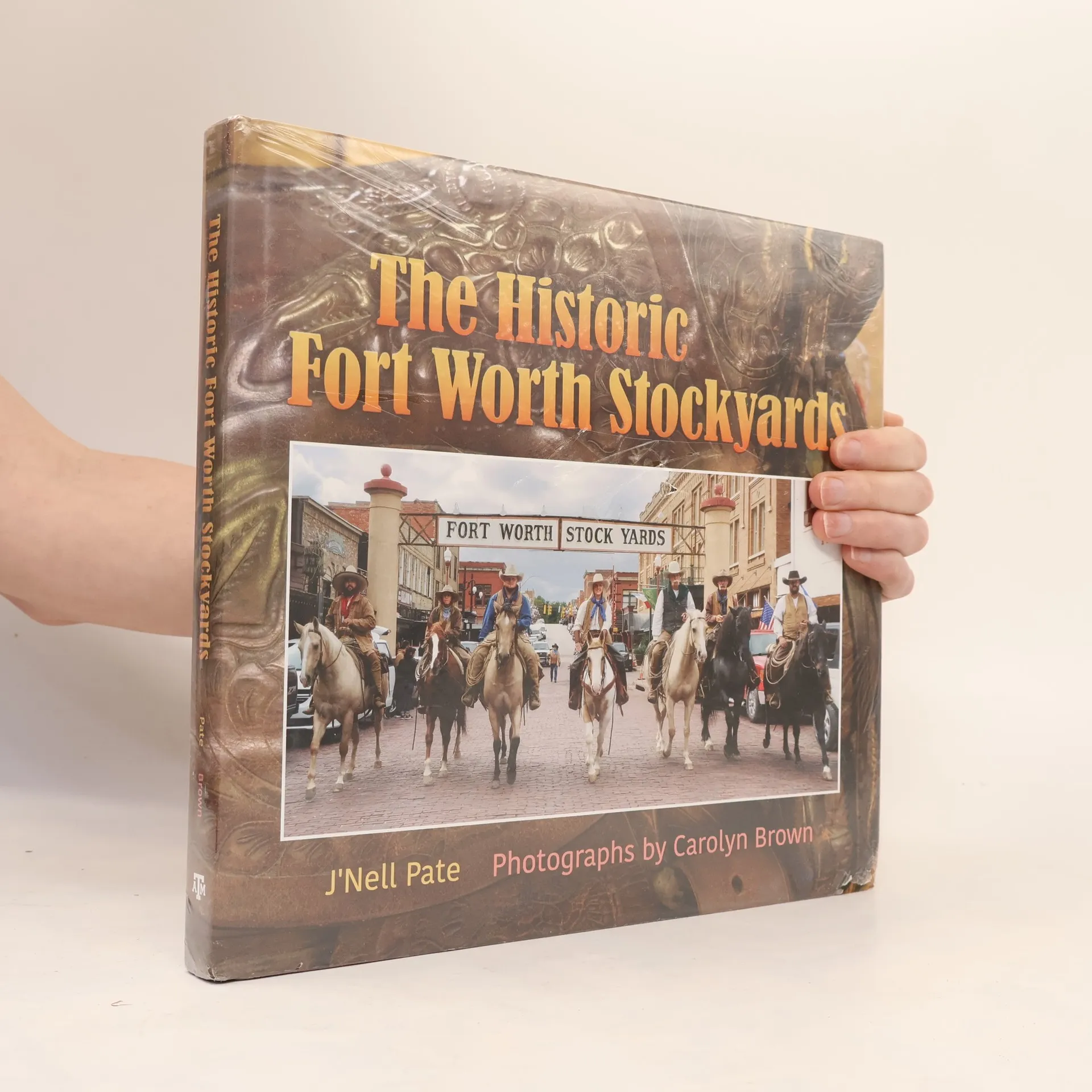
With stunning color photography and rich historical detail, the authors narrate the story of the Fort Worth Stockyards, which earned the city the nickname “Cowtown.” This engaging chronicle spans the stockyards' evolution from a crucial railhead for the ranching industry to its postwar decline and eventual revival as a National Historic District. Readers will journey through the early settlement days, the cattle drives that saw thousands of livestock traversing a frontier outpost, and the industrial growth spurred by the arrival of railroads. Following World War II, changes in the livestock industry led to a decline in the stockyards' significance, resulting in a period of slow decay. However, in 1976, community efforts transformed the area into a National Historic District. Today, the Fort Worth Stockyards draw thousands of visitors with its restaurants, entertainment venues, and the unique twice-daily longhorn cattle drive along East Exchange Avenue. The vibrant imagery captures the stockyards' current allure, while thorough research reveals the dramatic history of its rise, fall, and resurgence. This work offers a captivating visual and factual exploration of a place where heritage is both celebrated and preserved.
Compra de libros
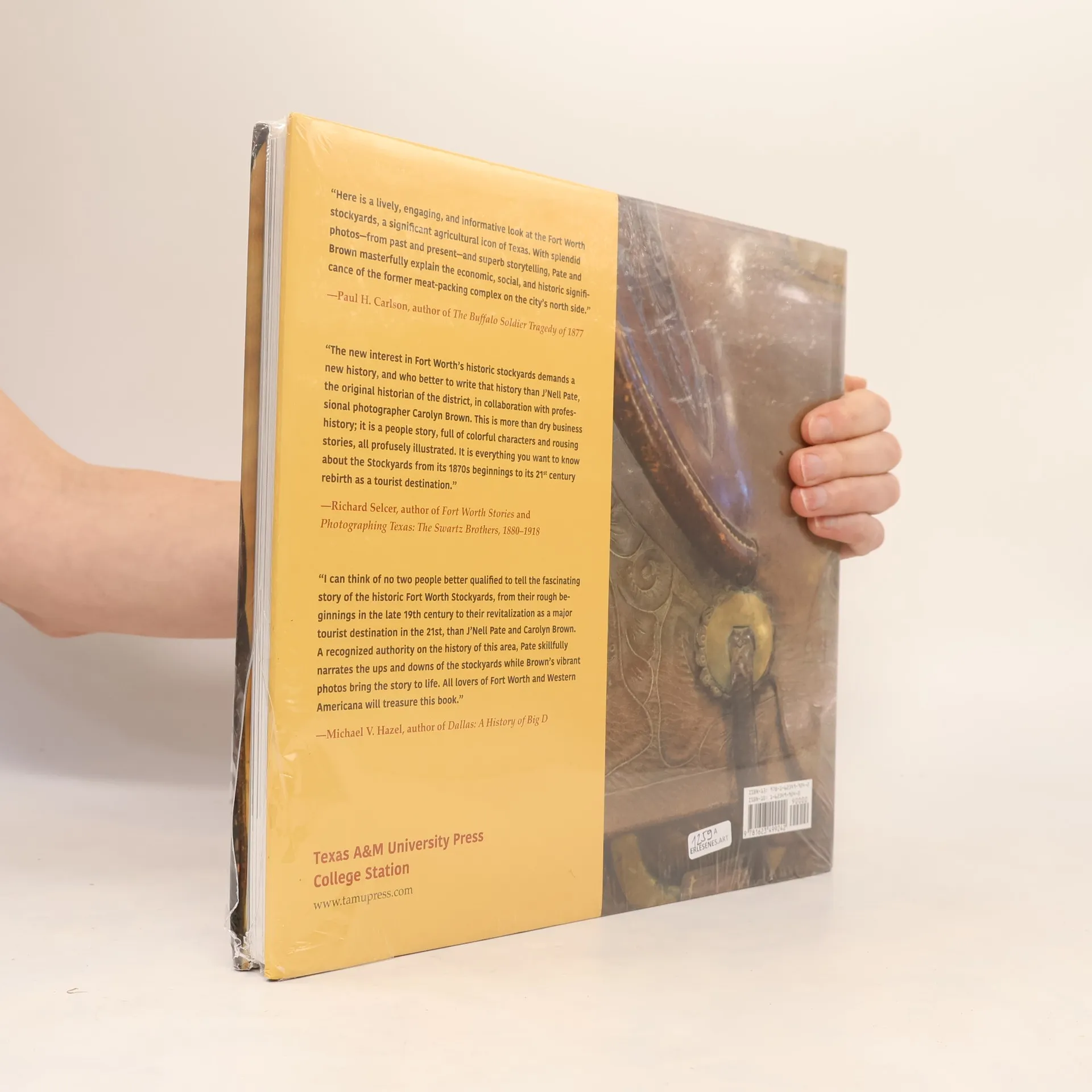
The Historic Fort Worth Stockyards, J'Nell Pate Barnes, Carolyn Elizabeth Brown
- Idioma

- Publicado en
- 2021
- Encuadernación
- (Tapa dura)
Métodos de pago
Nadie lo ha calificado todavía.
- Título
- The Historic Fort Worth Stockyards
- Idioma
- Inglés
- Editorial
- Texas A&M University Press
- Publicado en
- 2021
- Formato
- Tapa dura
- Páginas
- 200
- ISBN10
- 1623499240
- ISBN13
- 9781623499242
- Serie
- Etiquetas
- Tema histórico, Naturaleza, Viajes, Otra historia, EE.UU., Salvaje Oeste
- Descripción
- With stunning color photography and rich historical detail, the authors narrate the story of the Fort Worth Stockyards, which earned the city the nickname “Cowtown.” This engaging chronicle spans the stockyards' evolution from a crucial railhead for the ranching industry to its postwar decline and eventual revival as a National Historic District. Readers will journey through the early settlement days, the cattle drives that saw thousands of livestock traversing a frontier outpost, and the industrial growth spurred by the arrival of railroads. Following World War II, changes in the livestock industry led to a decline in the stockyards' significance, resulting in a period of slow decay. However, in 1976, community efforts transformed the area into a National Historic District. Today, the Fort Worth Stockyards draw thousands of visitors with its restaurants, entertainment venues, and the unique twice-daily longhorn cattle drive along East Exchange Avenue. The vibrant imagery captures the stockyards' current allure, while thorough research reveals the dramatic history of its rise, fall, and resurgence. This work offers a captivating visual and factual exploration of a place where heritage is both celebrated and preserved.