

Más información sobre el libro
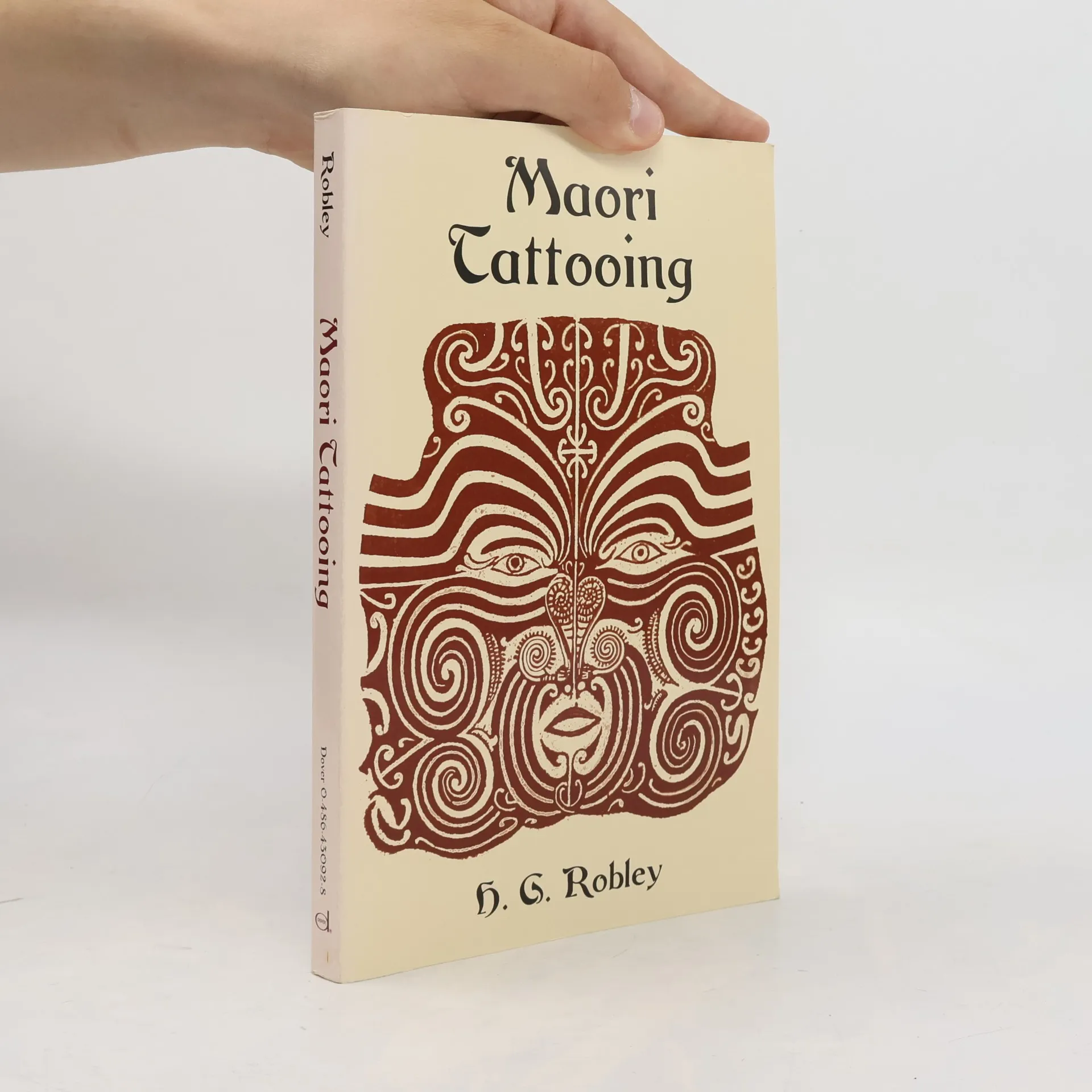
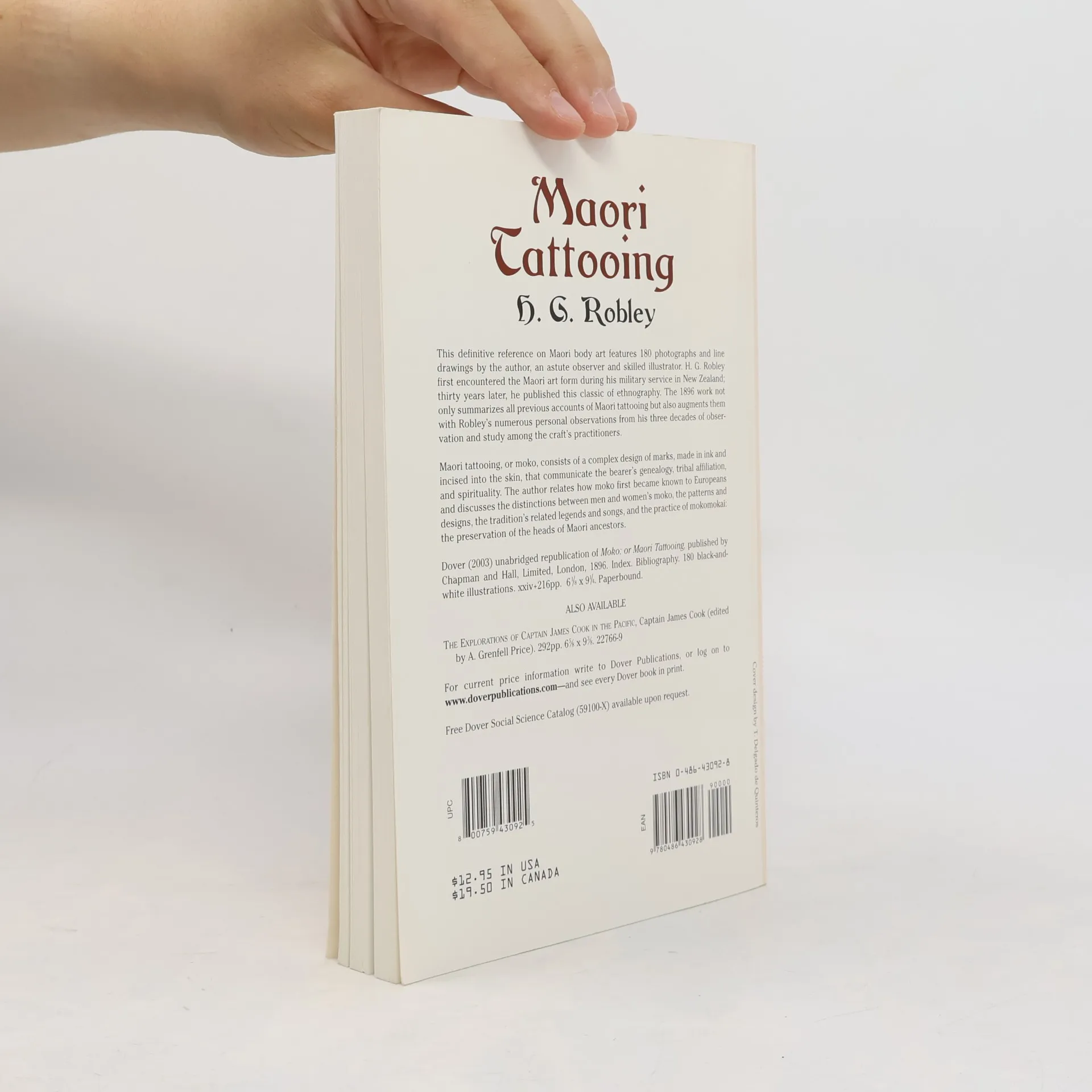
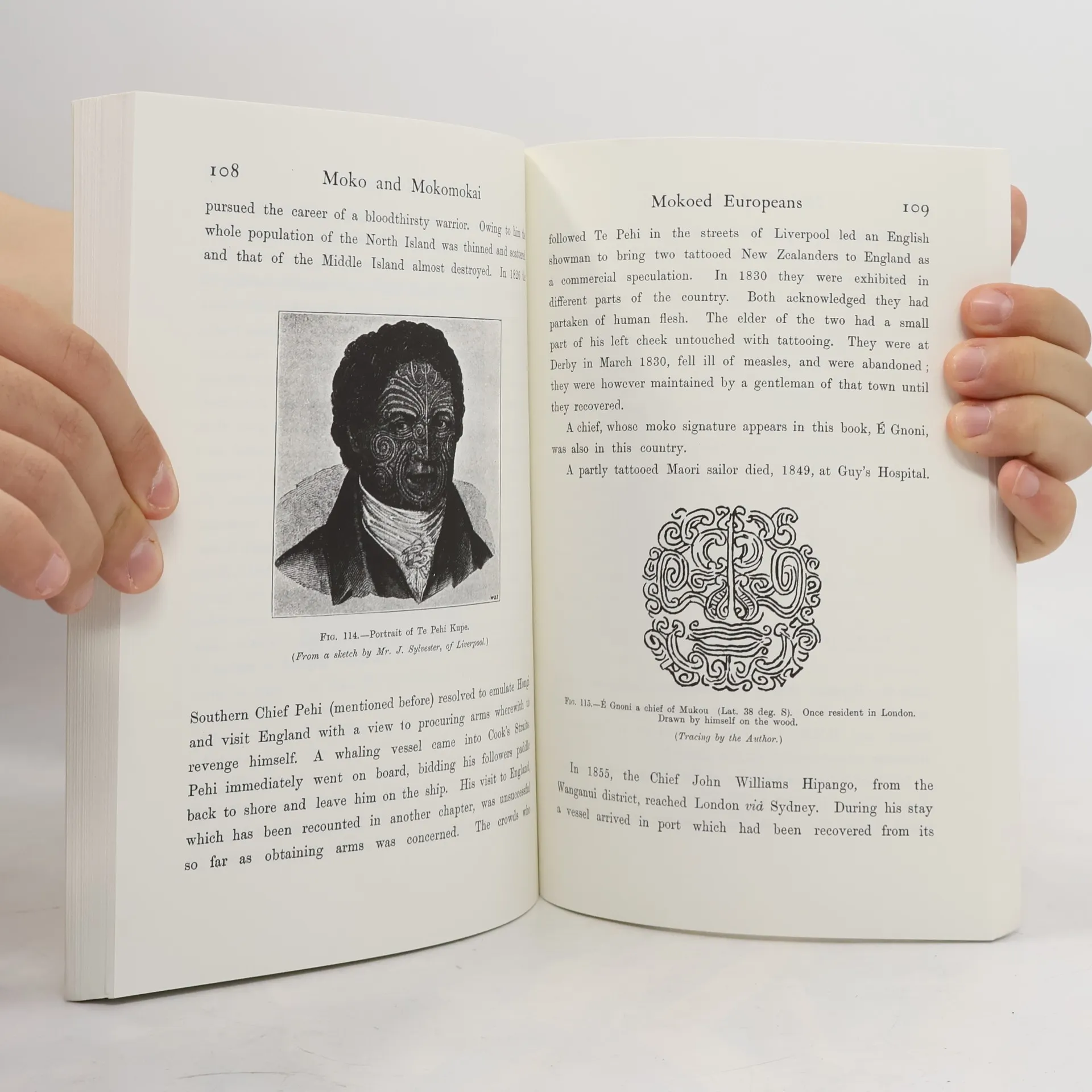
Originally published in 1896, this classic of ethnography was assembled by a skilled illustrator who first encountered Maori tattoo art during his military service in New Zealand. Maori tattooing (moko) consists of a complex design of marks, made in ink and incised into the skin, that communicate the bearer's genealogy, tribal affiliation, and spirituality. This well-illustrated volume summarizes all previous accounts of moko and encompasses many of Robley's own observations. He relates how moko first became known to Europeans and discusses the distinctions between men and women's moko, patterns and designs, moko in legend and song, and the practice of mokomokai: the preservation of the heads of Maori ancestors. Features 180 black-and-white illustrations.
Compra de libros
Dover Pictorial Archives: Maori Tattooing, Horatio Gordon Robley
- Idioma

- Publicado en
- 2003
- product-detail.submit-box.info.binding
- (Tapa blanda),
- Estado del libro
- Bueno
- Precio
- 4,79 €
Métodos de pago
Nadie lo ha calificado todavía.
- Título
- Dover Pictorial Archives: Maori Tattooing
- Idioma
- Inglés
- Autores
- Horatio Gordon Robley
- Editorial
- Dover Publications Inc.
- Publicado en
- 2003
- Formato
- Tapa blanda
- Páginas
- 240
- ISBN10
- 0486430928
- ISBN13
- 9780486430928
- Serie
- Etiquetas
- Ficción, Arte / Cultura, Tema histórico, Novelas históricas, Arte, Sociología, Nueva Zelanda, Artes decorativas, Tatuajes, Arte de los Pueblos Indígenas
- Descripción
- Originally published in 1896, this classic of ethnography was assembled by a skilled illustrator who first encountered Maori tattoo art during his military service in New Zealand. Maori tattooing (moko) consists of a complex design of marks, made in ink and incised into the skin, that communicate the bearer's genealogy, tribal affiliation, and spirituality. This well-illustrated volume summarizes all previous accounts of moko and encompasses many of Robley's own observations. He relates how moko first became known to Europeans and discusses the distinctions between men and women's moko, patterns and designs, moko in legend and song, and the practice of mokomokai: the preservation of the heads of Maori ancestors. Features 180 black-and-white illustrations.