

Más información sobre el libro
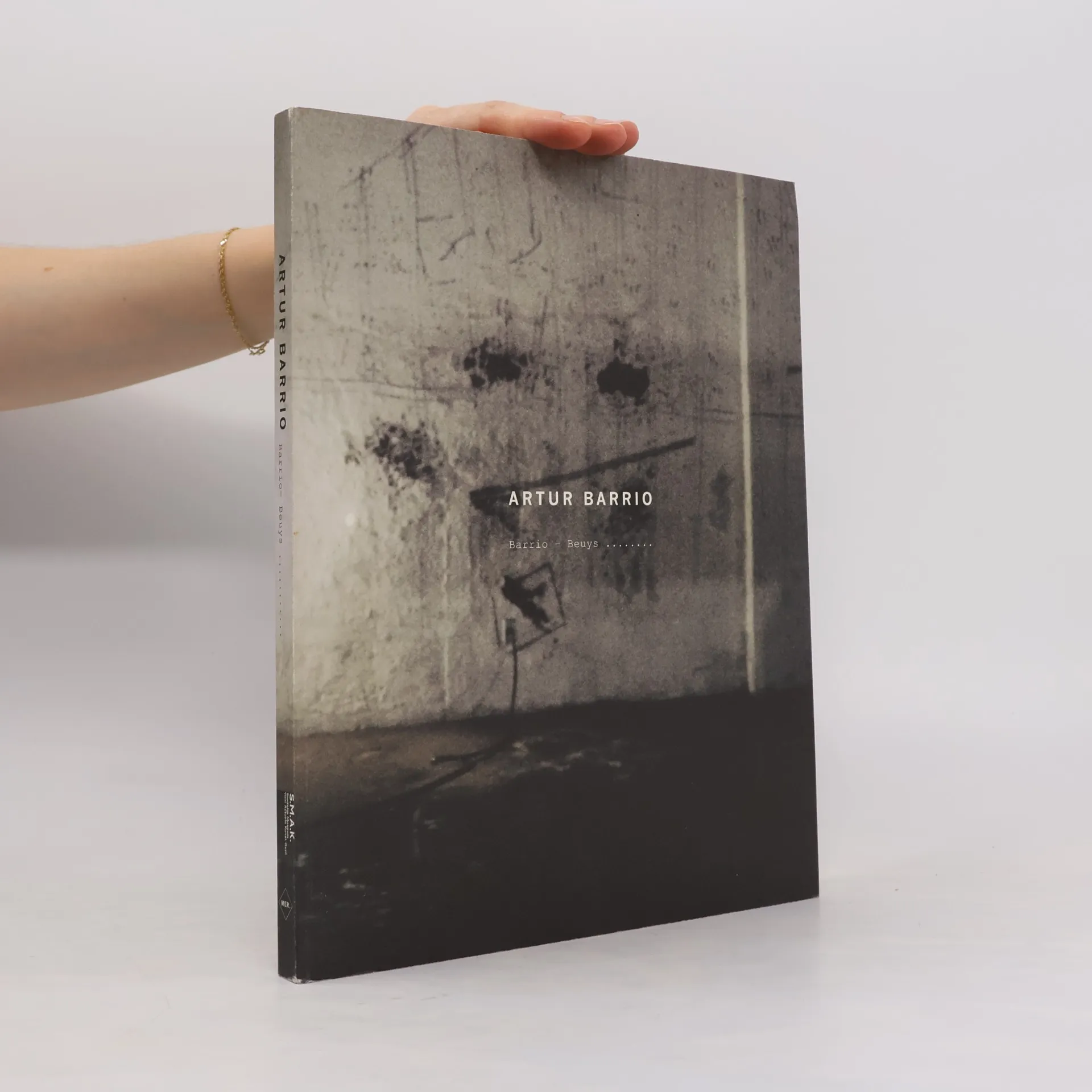
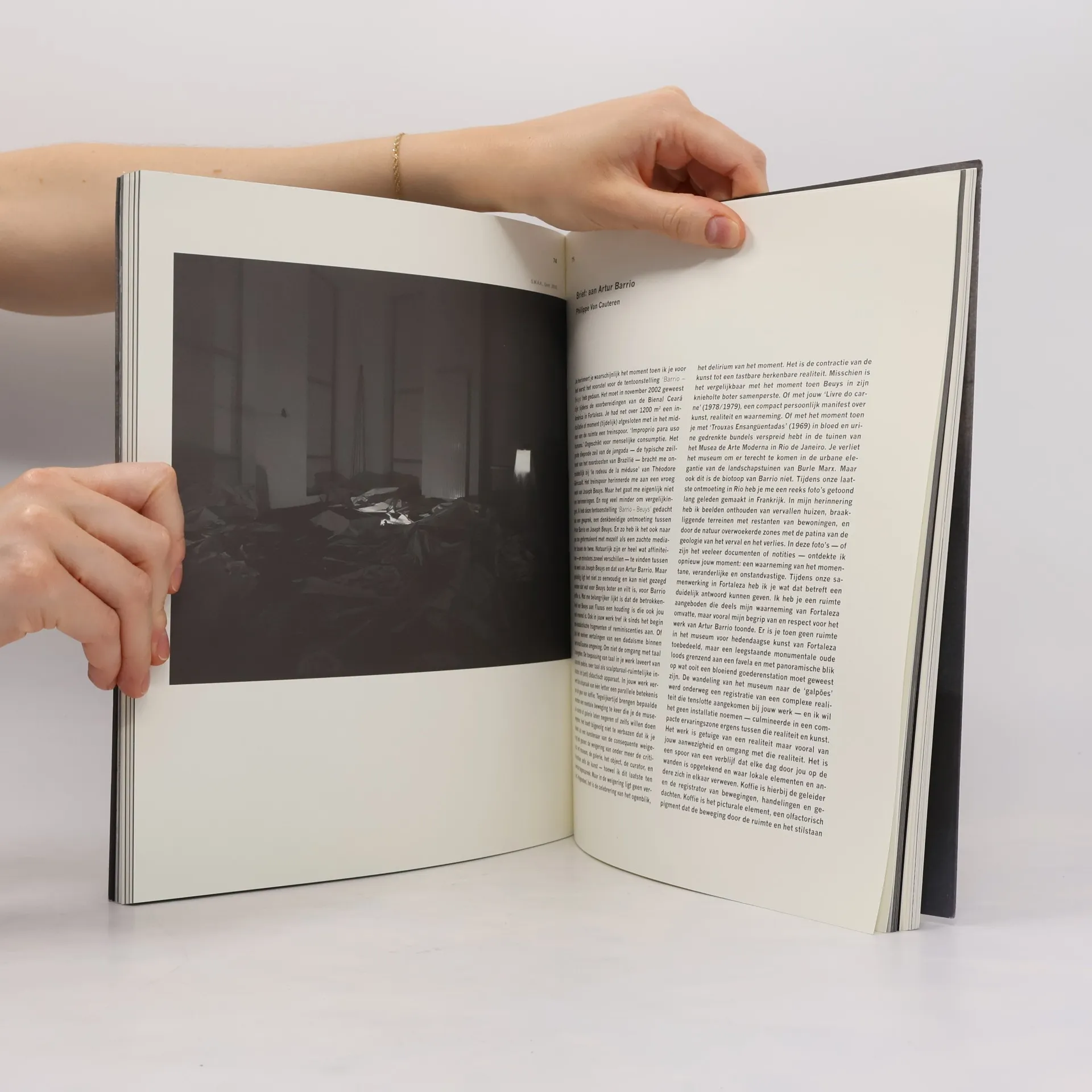
The Brazilian artist Artur Barrio's work primarily consists of temporary synaesthetic installations made from perishable and organic materials like coffee, bread, and urine. This ephemeral nature drives him to explore alternative documentation methods such as photography and artist books. His approach shares similarities with Joseph Beuys, particularly in material use and the didactic mission of art. The exhibition presents their works in an imaginative dialogue for the first time. At S.M.A.K., Barrio creates a temporary installation closely tied to the museum, alongside Beuys' work. Despite their different generations and cultural backgrounds, both artists exhibit crucial affinities that justify this dual exhibition. Barrio, a pioneer of contemporary Brazilian art, gained recognition in the 1970s for his intuitive installations that challenged traditional aesthetics. His choice of materials rejected permanence, prompting him to document his work through photos and videos, which became integral to the art itself. Additionally, Barrio critiques the role of curators, viewing them as logistical coordinators rather than essential to the artwork. His radical perspective on art's connection to life aligns with Beuys, as both adopt a didactic-shamanistic position that questions established norms. This exhibition aims to highlight the shared mentalities of these two influential artists, exploring the intersections of their work in a b
Compra de libros
Barrio - Beuys ..., Artur Alípio Barrio de Sousa Lopes, Justo Pastor Mellado, Philippe Van Cauteren
- Idioma

- Publicado en
- 2005
- Encuadernación
- (Tapa blanda)
Métodos de pago
Nadie lo ha calificado todavía.
- Título
- Barrio - Beuys ...
- Idioma
- Holandés
- Publicado en
- 2005
- Formato
- Tapa blanda
- Páginas
- 135
- ISBN10
- 907567922X
- ISBN13
- 9789075679229
- Serie
- Categorías
- Etiquetas
- Arte
- Descripción
- The Brazilian artist Artur Barrio's work primarily consists of temporary synaesthetic installations made from perishable and organic materials like coffee, bread, and urine. This ephemeral nature drives him to explore alternative documentation methods such as photography and artist books. His approach shares similarities with Joseph Beuys, particularly in material use and the didactic mission of art. The exhibition presents their works in an imaginative dialogue for the first time. At S.M.A.K., Barrio creates a temporary installation closely tied to the museum, alongside Beuys' work. Despite their different generations and cultural backgrounds, both artists exhibit crucial affinities that justify this dual exhibition. Barrio, a pioneer of contemporary Brazilian art, gained recognition in the 1970s for his intuitive installations that challenged traditional aesthetics. His choice of materials rejected permanence, prompting him to document his work through photos and videos, which became integral to the art itself. Additionally, Barrio critiques the role of curators, viewing them as logistical coordinators rather than essential to the artwork. His radical perspective on art's connection to life aligns with Beuys, as both adopt a didactic-shamanistic position that questions established norms. This exhibition aims to highlight the shared mentalities of these two influential artists, exploring the intersections of their work in a b