

Más información sobre el libro
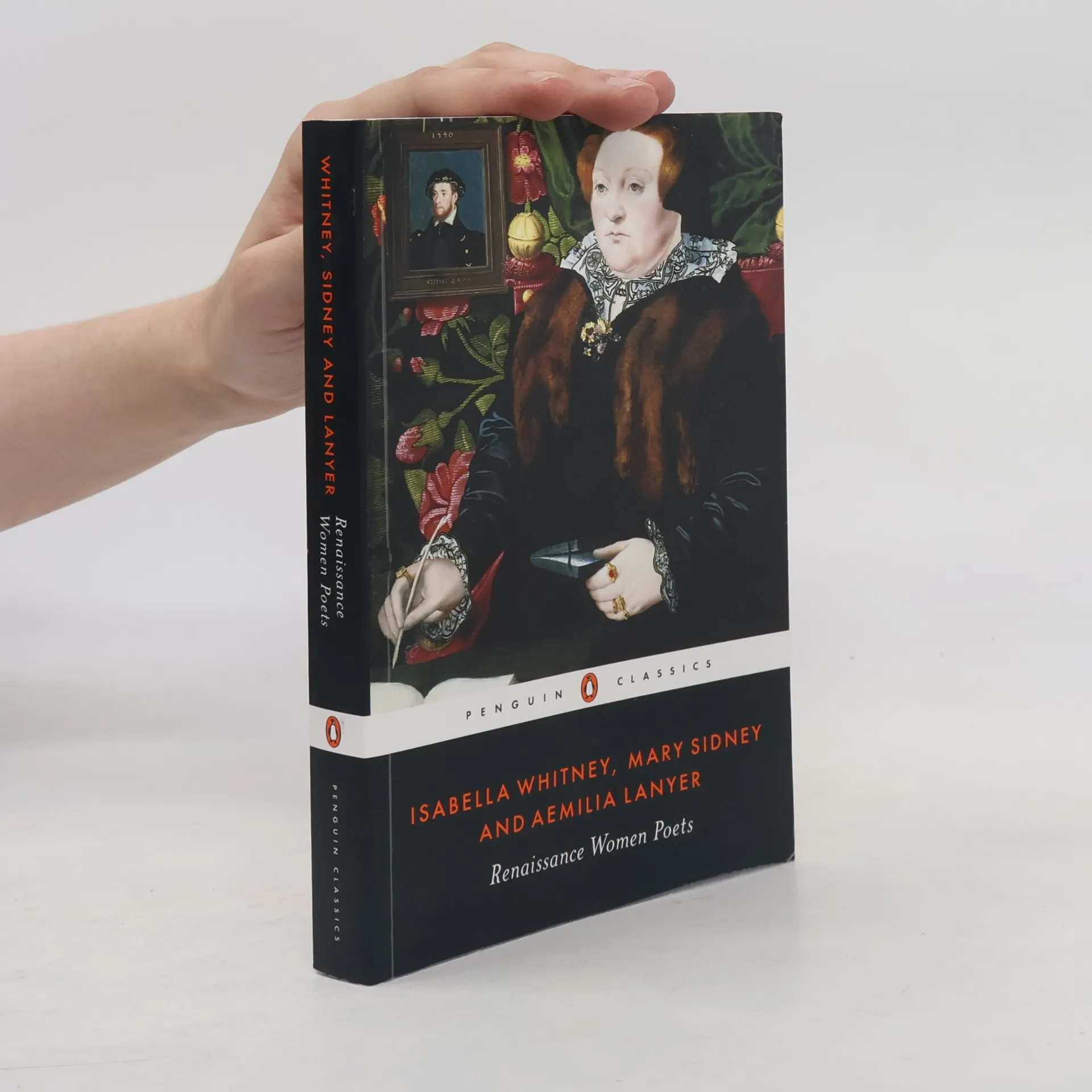
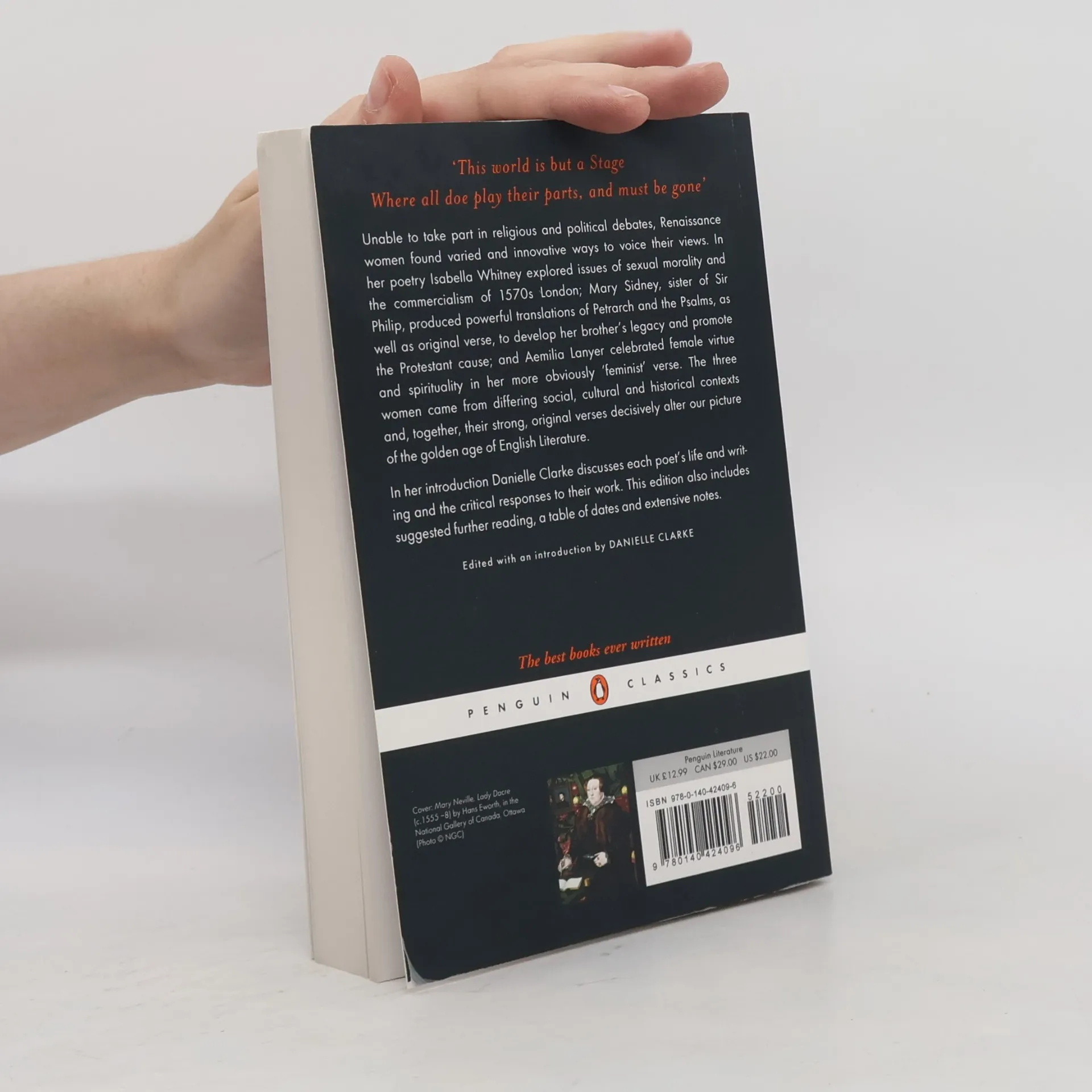
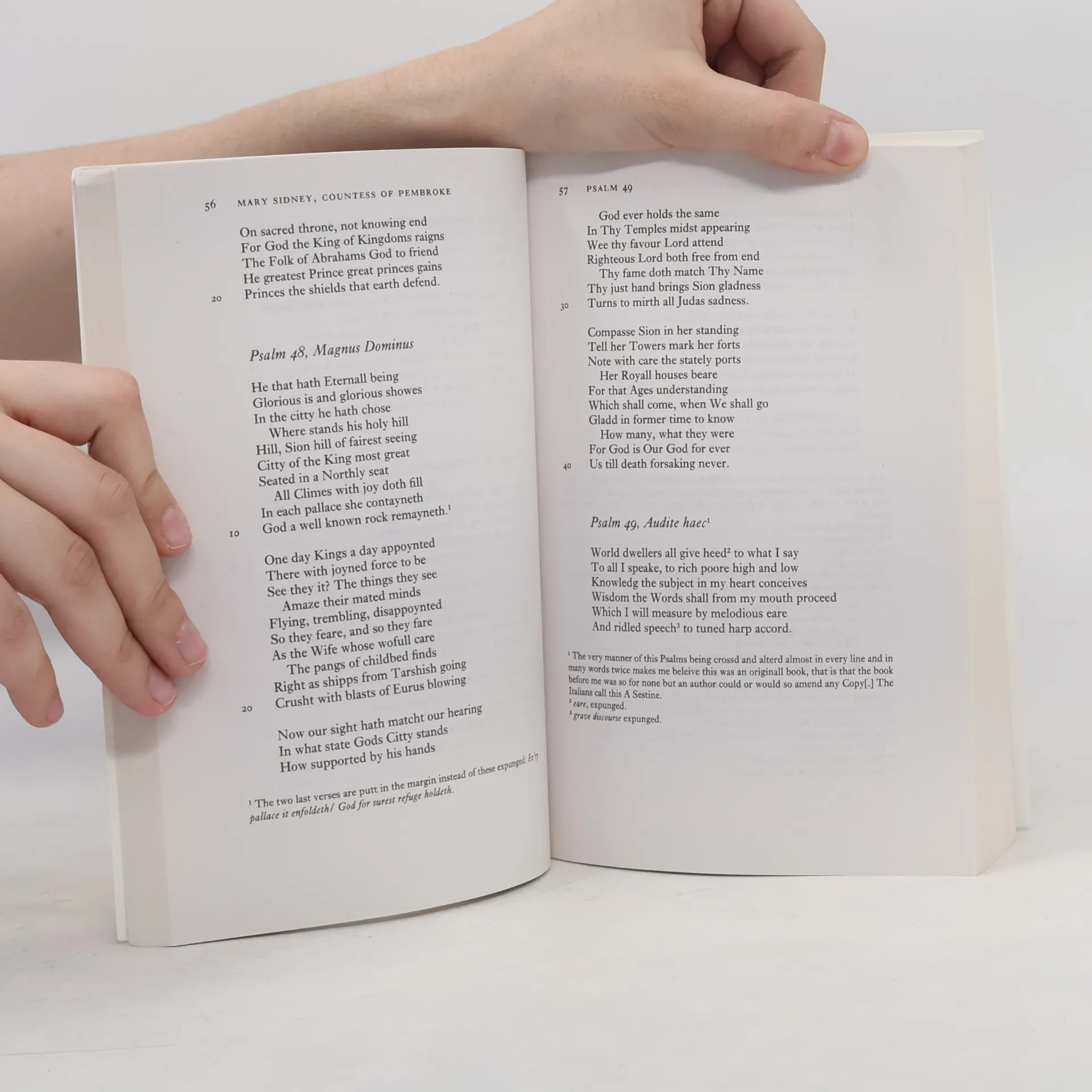
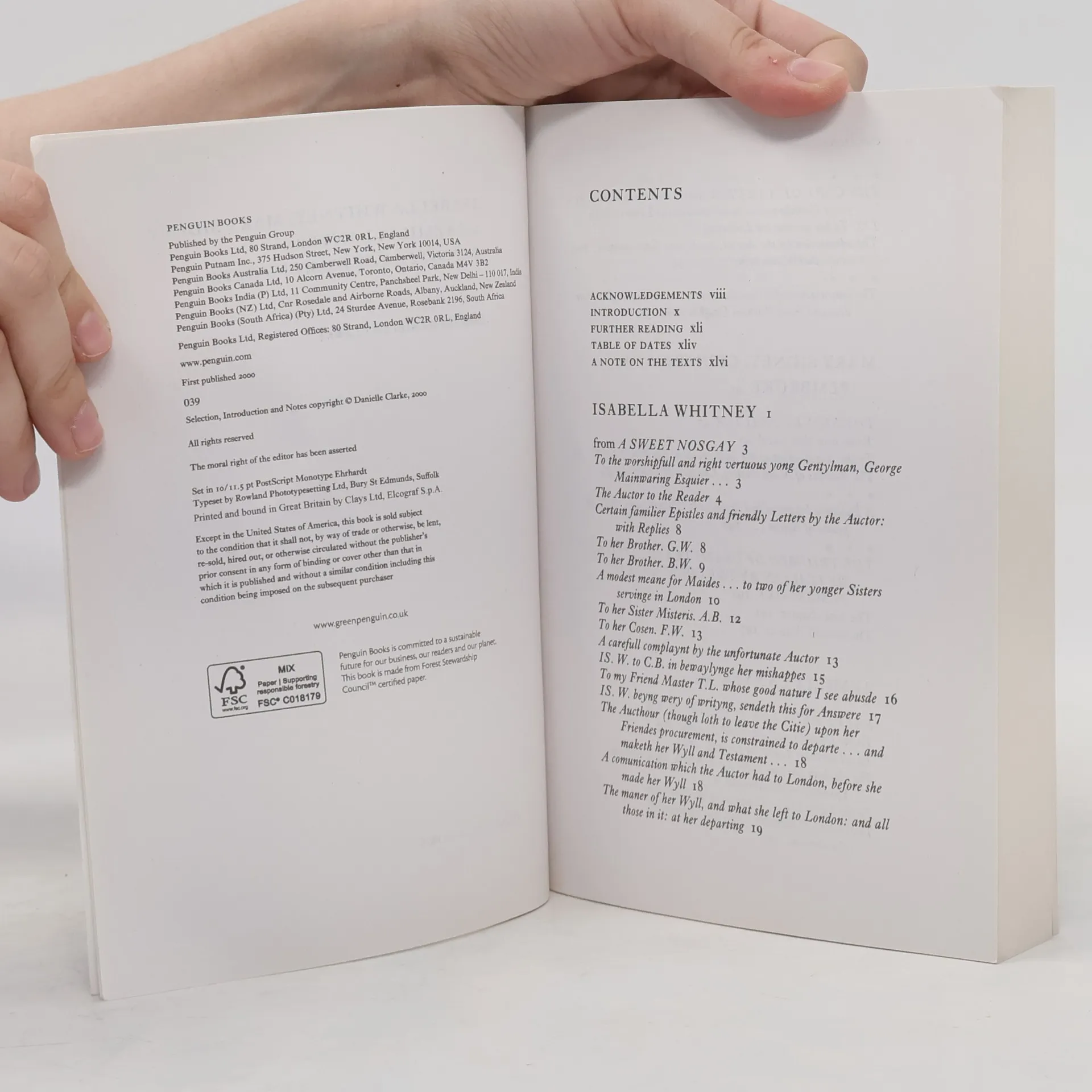
'This world is but a Stage Where all doe play their parts, and must be gone' Unable to take part in religious and political debates, Renaissance women found varied and innovative ways to voice their views. In her poetry Isabella Whitney explored issues of sexual morality and the commercialism of 1570s London; Mary Sidney, sister of Sir Philip, produced powerful translations of Petrarch and the Psalms, as well as original verse, to develop her brother's legacy and promote the Protestant cause; and Aemilia Lanyer celebrated female virtue and spirituality in her more obviously 'feminist' verse. The three women came from differing social, cultural and historical contexts and, together, their strong, original verses decisively alter our picture of the golden age of English Literature. In her introduction Danielle Clarke discusses each poet's life and writing and the critical responses to their work. This edition also includes suggested further reading, a table of dates and extensive notes.
Compra de libros
Isabella Whitney, Mary Sidney and Aemilia Lanyer, Isabella Whitney, Mary Sidney, Aemilia Lanyer, Danielle Clarke
- Idioma

- Publicado en
- Encuadernación
- (Tapa blanda),
- Estado del libro
- Bueno
- Precio
- 4,49 €
Métodos de pago
Nadie lo ha calificado todavía.
- Título
- Isabella Whitney, Mary Sidney and Aemilia Lanyer
- Subtítulo
- Renaissance Women Poets
- Idioma
- Inglés
- Editorial
- Penguin Books
- Formato
- Tapa blanda
- ISBN10
- 0140424091
- ISBN13
- 9780140424096
- Serie
- Etiquetas
- Mujeres, Feminismo, Crítica literaria
- Descripción
- 'This world is but a Stage Where all doe play their parts, and must be gone' Unable to take part in religious and political debates, Renaissance women found varied and innovative ways to voice their views. In her poetry Isabella Whitney explored issues of sexual morality and the commercialism of 1570s London; Mary Sidney, sister of Sir Philip, produced powerful translations of Petrarch and the Psalms, as well as original verse, to develop her brother's legacy and promote the Protestant cause; and Aemilia Lanyer celebrated female virtue and spirituality in her more obviously 'feminist' verse. The three women came from differing social, cultural and historical contexts and, together, their strong, original verses decisively alter our picture of the golden age of English Literature. In her introduction Danielle Clarke discusses each poet's life and writing and the critical responses to their work. This edition also includes suggested further reading, a table of dates and extensive notes.