


Más información sobre el libro
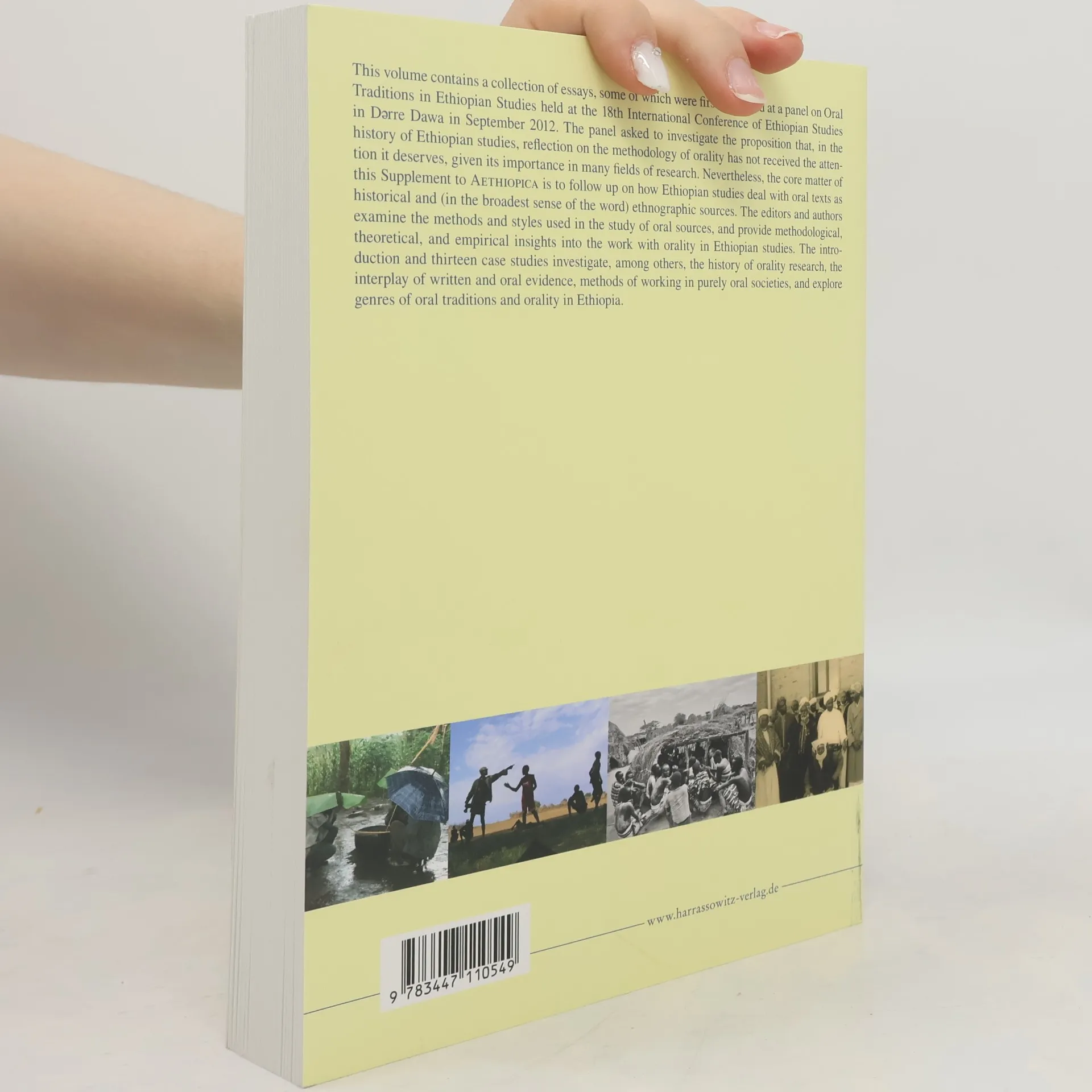
This volume contains a collection of essays, some of which were first presented at a panel on Oral Traditions in Ethiopian Studies held at the 18th International Conference of Ethiopian Studies in Dǝrre Dawa in September 2012. The panel asked to investigate the proposition that, in the history of Ethiopian studies, reflection on the methodology of orality has not received the attention it deserves, given its importance in many fields of research. Nevertheless, the core matter of this Supplement to AETHIOPICA is to follow up on how Ethiopian studies deal with oral texts as historical and (in the broadest sense of the word) ethnographic sources. The editors and authors examine the methods and styles used in the study of oral sources, and provide methodological, theoretical, and empirical insights into the work with orality in Ethiopian studies. The introduction and thirteen case studies investigate, among others, the history of orality research, the interplay of written and oral evidence, methods of working in purely oral societies, and explore genres of oral traditions and orality in Ethiopia.
Compra de libros
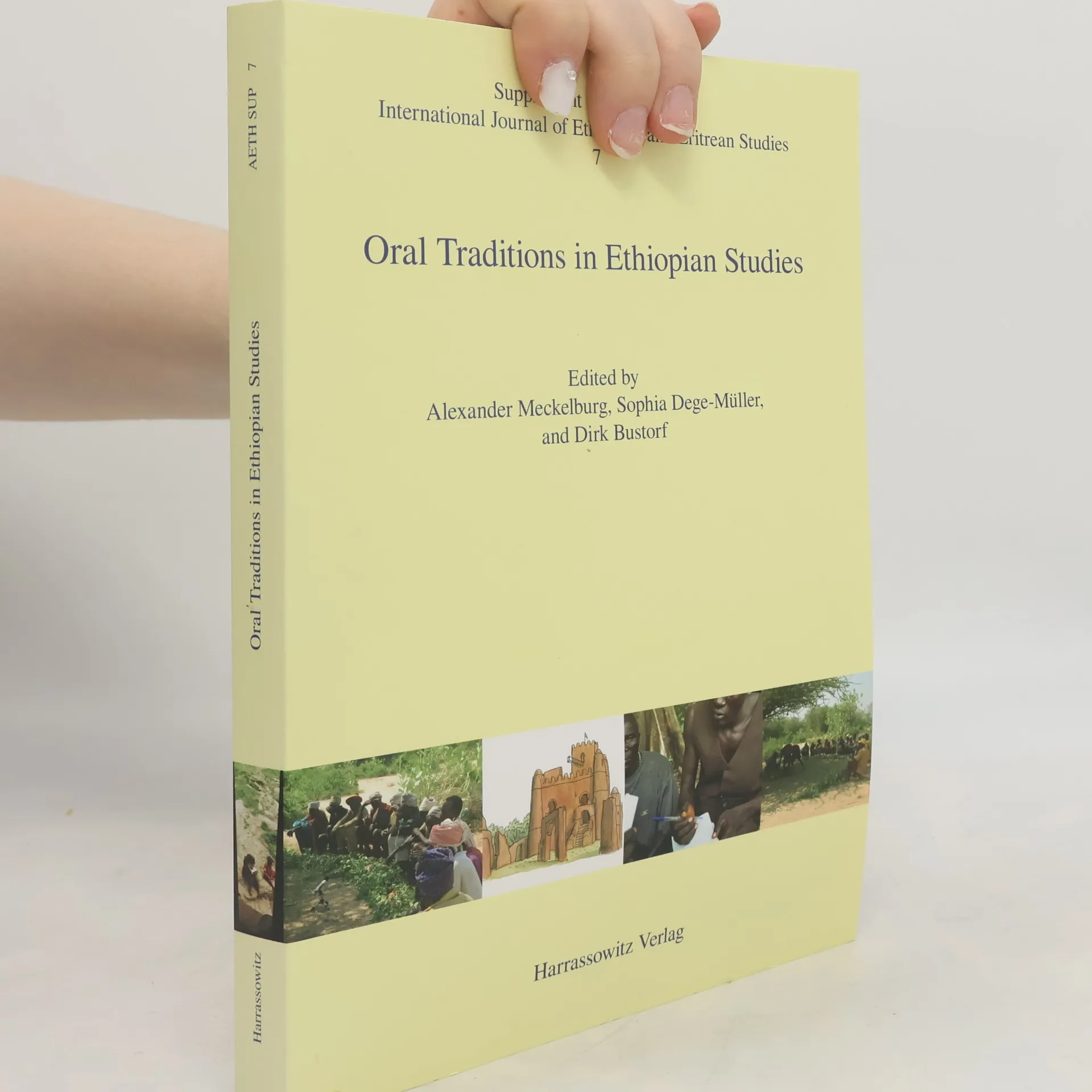
Oral Traditions in Ethiopian Studies, Alexander Meckelburg, Sophia Dege-Müller, Dirk Bustorf
- Idioma

- Publicado en
- 2018
- Encuadernación
- (Tapa blanda)
Métodos de pago
Nadie lo ha calificado todavía.
- Título
- Oral Traditions in Ethiopian Studies
- Idioma
- Inglés
- Editorial
- Harrassowitz
- Publicado en
- 2018
- Formato
- Tapa blanda
- Páginas
- 344
- ISBN10
- 3447110546
- ISBN13
- 9783447110549
- Serie
- Categorías
- Etiquetas
- Tema histórico, Alemania, África, Etnología, Historia oral, Etiopía, África Central
- Descripción
- This volume contains a collection of essays, some of which were first presented at a panel on Oral Traditions in Ethiopian Studies held at the 18th International Conference of Ethiopian Studies in Dǝrre Dawa in September 2012. The panel asked to investigate the proposition that, in the history of Ethiopian studies, reflection on the methodology of orality has not received the attention it deserves, given its importance in many fields of research. Nevertheless, the core matter of this Supplement to AETHIOPICA is to follow up on how Ethiopian studies deal with oral texts as historical and (in the broadest sense of the word) ethnographic sources. The editors and authors examine the methods and styles used in the study of oral sources, and provide methodological, theoretical, and empirical insights into the work with orality in Ethiopian studies. The introduction and thirteen case studies investigate, among others, the history of orality research, the interplay of written and oral evidence, methods of working in purely oral societies, and explore genres of oral traditions and orality in Ethiopia.