

¡Agotado, pero muy deseado!
Parámetros
- 278 páginas
- 10 horas de lectura
Más información sobre el libro
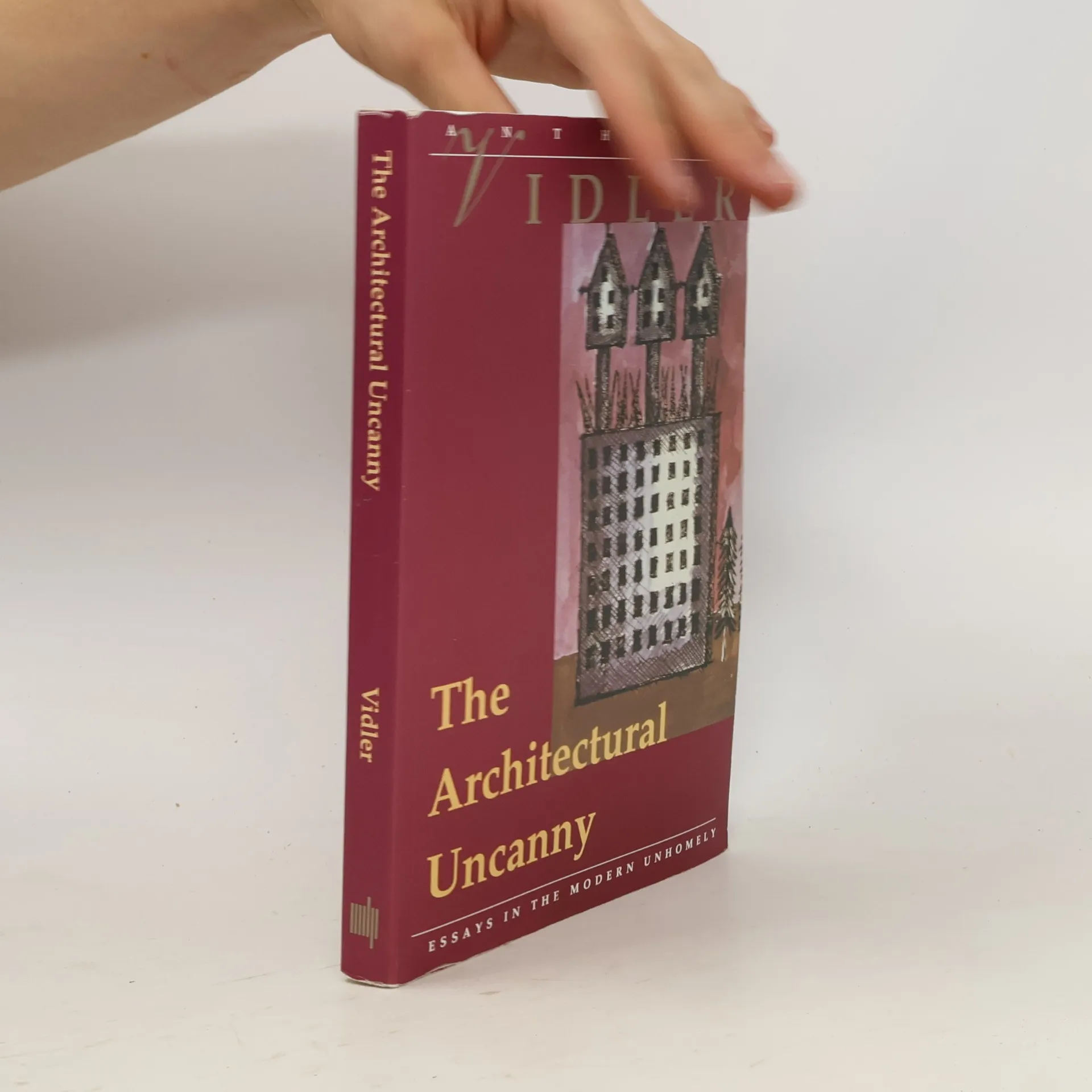
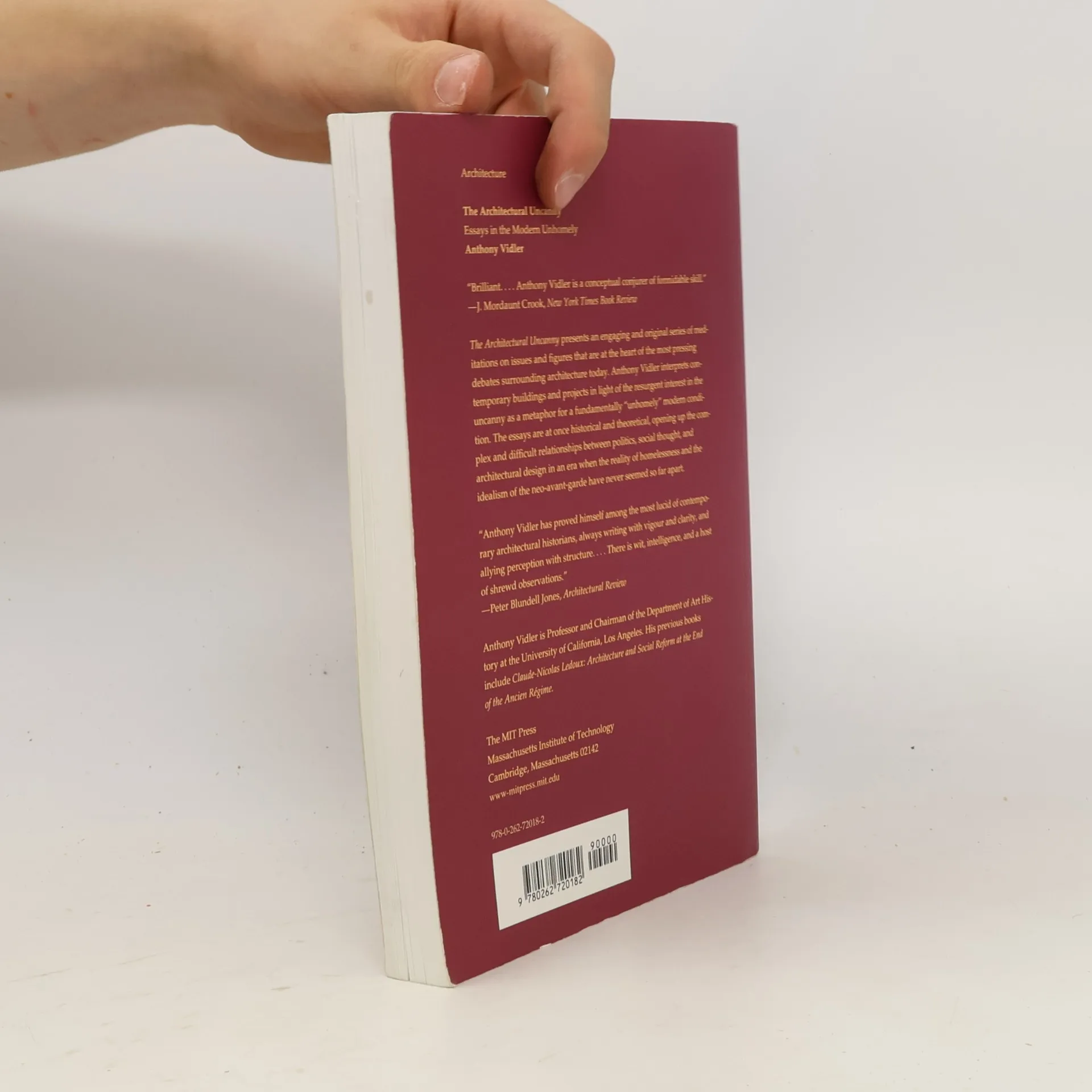
The Architectural Uncanny presents an engaging and original series of meditations on issues and figures that are at the heart of the most pressing debates surrounding architecture today. Anthony Vidler interprets contemporary buildings and projects in light of the resurgent interest in the uncanny as a metaphor for a fundamentally “unhomely” modern condition. The essays are at once historical and theoretical, opening up the complex and difficult relationships between politics, social thought, and architectural design in an era when the reality of homelessness and the idealism of the neo-avant-garde have never seemed so far apart.
Compra de libros
The Architectural Uncanny, Anthony Vidler
- Idioma

- Publicado en
- 1992
- Encuadernación
- (Tapa blanda)
Te avisaremos por correo electrónico en cuanto lo localicemos.
Métodos de pago
Nadie lo ha calificado todavía.
- Título
- The Architectural Uncanny
- Subtítulo
- Essays in the Modern Unhomely
- Idioma
- Inglés
- Autores
- Anthony Vidler
- Editorial
- MIT Press
- Publicado en
- 1992
- Formato
- Tapa blanda
- Páginas
- 278
- ISBN10
- 0262720183
- ISBN13
- 9780262720182
- Serie
- Categorías
- Etiquetas
- Comercio, Temas psicológicos, Temática filosófica, Arte, Arquitectura, Familia, Guerras, Temática cinematográfica, Cultura y Sociedad, Feminismo, Salud mental, Historia de Europa, Matrimonio, Cultura, Teorías científicas, Siglo XXI, Identidad, Ciudades, Crítica, Género, Capitalismo, Belleza, Trastornos de ansiedad, Pérdida de memoria, amnesia, Aspectos Psicológicos, Teoría de la Arquitectura, Teoría Crítica
- Descripción
- The Architectural Uncanny presents an engaging and original series of meditations on issues and figures that are at the heart of the most pressing debates surrounding architecture today. Anthony Vidler interprets contemporary buildings and projects in light of the resurgent interest in the uncanny as a metaphor for a fundamentally “unhomely” modern condition. The essays are at once historical and theoretical, opening up the complex and difficult relationships between politics, social thought, and architectural design in an era when the reality of homelessness and the idealism of the neo-avant-garde have never seemed so far apart.