



Más información sobre el libro
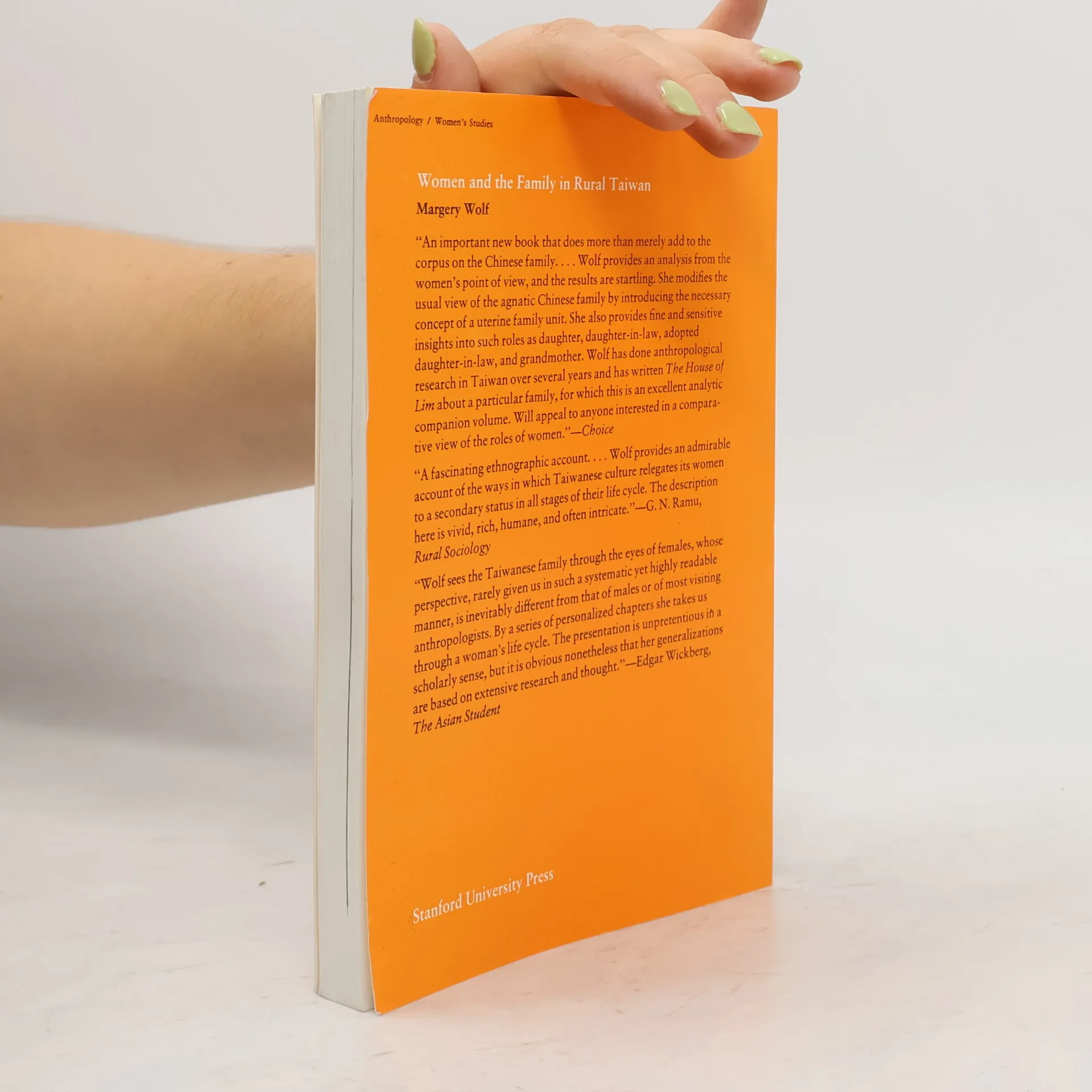
Studies of Chinese society commonly emphasizze men's roles and functions, a not unreasonable approach to a society with patrilineal kinship structure. But this emphasis has left many important gaps in our knowledge of Chinese life. This study seeks to fill some of these gaps by examining the ways rural Taiwanese women manipulate men and each other in the pursuit of their personal goals. The source of a woman's power, her home in a social structure dominated by men, is what the author calls the uterine family, a de facto social unity consisting of a mother and her children. The first four chapters are devoted to general background a brief historical sketch of Taiwan and a description fo the settings in which the author's observations were made; the history of a particular family; the relation of Chinese women to the Chinese kinship system; and the interrelationships among women in the community. The remaining ten chapters take up in detail the successive stages of the Taiwanese woman's life infancy, childhood, engagement, marriage, motherhood, and old age. Throught the book the author presents detailed information on such topics as marriage negotiations, childbirth, child training practices, and the organization of women's groups.
Compra de libros
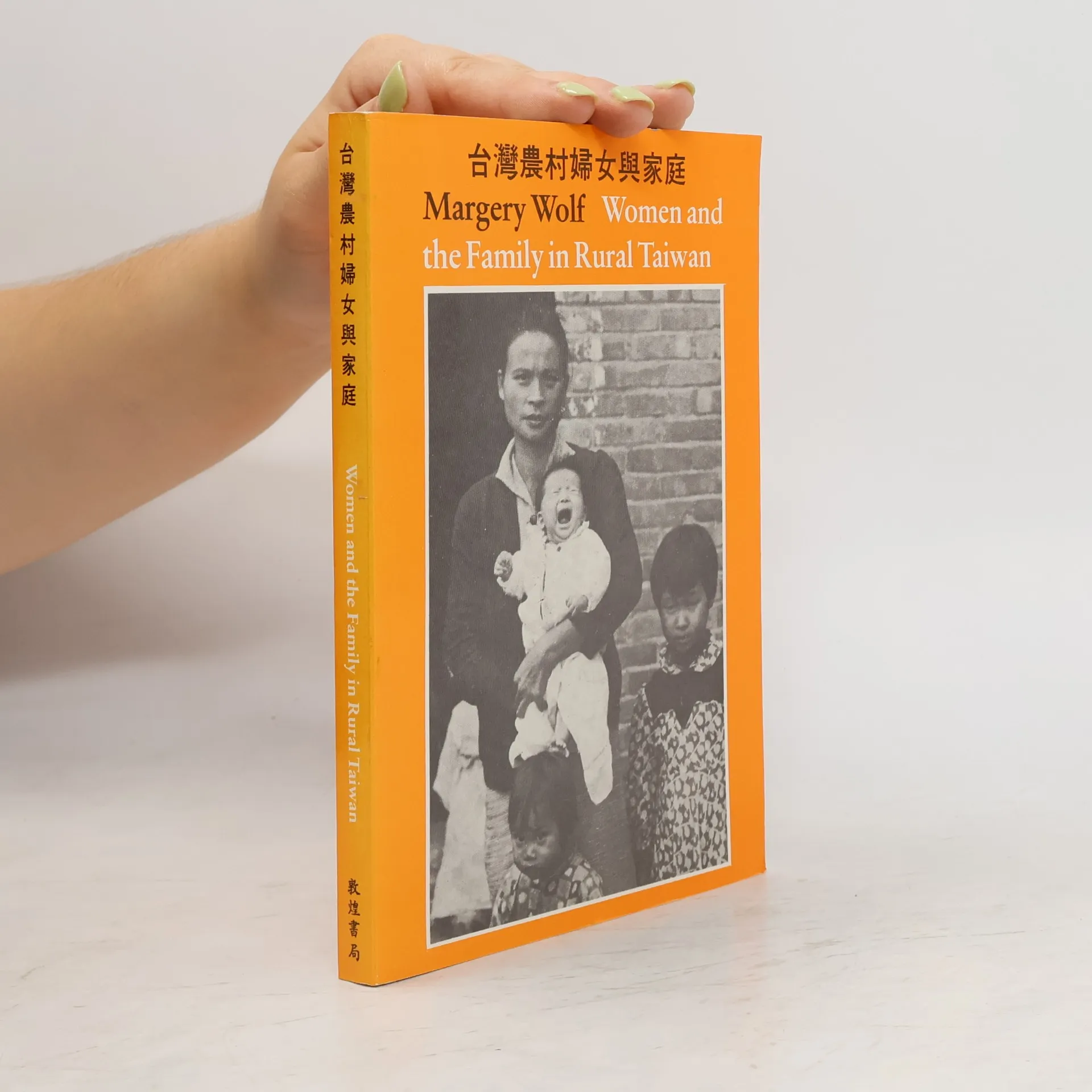
Women and the Family in Rural Taiwan, Margery Wolf
- Idioma

- Publicado en
- 1972
- product-detail.submit-box.info.binding
- (Tapa blanda),
- Estado del libro
- Dañado
- Precio
- 6,51 €
Métodos de pago
Nadie lo ha calificado todavía.
- Título
- Women and the Family in Rural Taiwan
- Idioma
- Inglés
- Autores
- Margery Wolf
- Editorial
- Stanford University Press
- Publicado en
- 1972
- Formato
- Tapa blanda
- Páginas
- 233
- ISBN10
- 0804708495
- ISBN13
- 9780804708494
- Serie
- Etiquetas
- No ficción, Ciencias sociales, Tema histórico, Sociología, Asia, Antropología, Sudeste Asiático
- Descripción
- Studies of Chinese society commonly emphasizze men's roles and functions, a not unreasonable approach to a society with patrilineal kinship structure. But this emphasis has left many important gaps in our knowledge of Chinese life. This study seeks to fill some of these gaps by examining the ways rural Taiwanese women manipulate men and each other in the pursuit of their personal goals. The source of a woman's power, her home in a social structure dominated by men, is what the author calls the uterine family, a de facto social unity consisting of a mother and her children. The first four chapters are devoted to general background a brief historical sketch of Taiwan and a description fo the settings in which the author's observations were made; the history of a particular family; the relation of Chinese women to the Chinese kinship system; and the interrelationships among women in the community. The remaining ten chapters take up in detail the successive stages of the Taiwanese woman's life infancy, childhood, engagement, marriage, motherhood, and old age. Throught the book the author presents detailed information on such topics as marriage negotiations, childbirth, child training practices, and the organization of women's groups.