

Más información sobre el libro
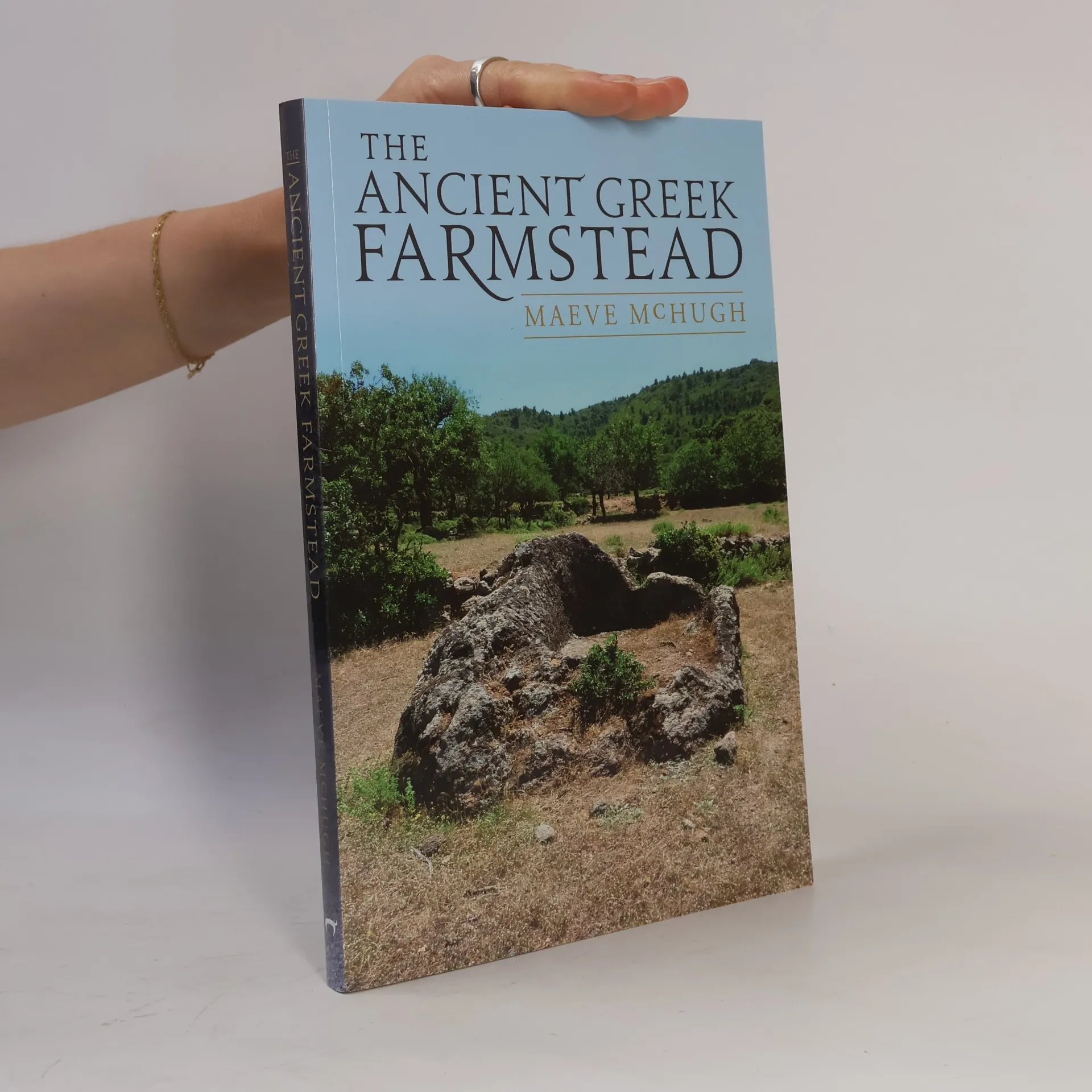
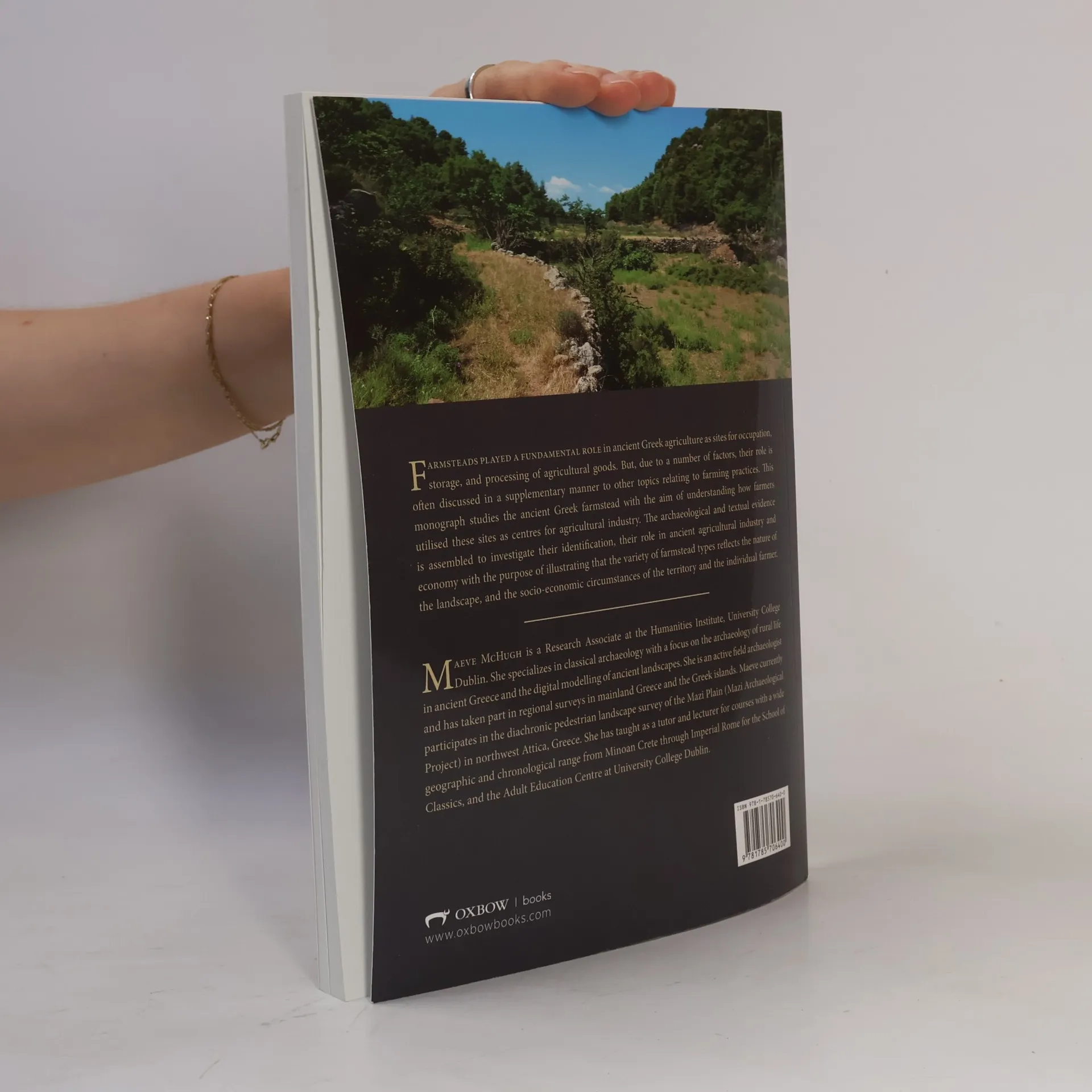
The interpretation of archaeological remains as farmsteads has met with much debate in scholarship regarding their role, identification, and even their existence. Despite the difficult nature of scholarship surrounding farmsteads, this site type is repeatedly used to describe small sites in the countryside which have varying evidence of domestic, storage, and agricultural activity. The aim of this book is to engage with the archaeological and textual data for farmsteads dating to the Classical-Hellenistic period of mainland Greece, with the purpose of understanding how these sites fulfilled agricultural roles as centers for occupation, storage, and processing for those working the land. The conclusions reached here stress the connected nature of the agricultural landscape, and demonstrate how farmsteads played a fundamental role in ancient Greek agriculture.
Compra de libros
The Ancient Greek Farmstead, Maeve McHugh
- Idioma

- Publicado en
- 2017
- Encuadernación
- (Tapa blanda)
Métodos de pago
Nadie lo ha calificado todavía.
- Título
- The Ancient Greek Farmstead
- Idioma
- Inglés
- Autores
- Maeve McHugh
- Editorial
- Oxbow Books
- Publicado en
- 2017
- Formato
- Tapa blanda
- Páginas
- 208
- ISBN10
- 1785706403
- ISBN13
- 9781785706400
- Serie
- Etiquetas
- Antigüedad, Arqueología, Grecia antigua
- Descripción
- The interpretation of archaeological remains as farmsteads has met with much debate in scholarship regarding their role, identification, and even their existence. Despite the difficult nature of scholarship surrounding farmsteads, this site type is repeatedly used to describe small sites in the countryside which have varying evidence of domestic, storage, and agricultural activity. The aim of this book is to engage with the archaeological and textual data for farmsteads dating to the Classical-Hellenistic period of mainland Greece, with the purpose of understanding how these sites fulfilled agricultural roles as centers for occupation, storage, and processing for those working the land. The conclusions reached here stress the connected nature of the agricultural landscape, and demonstrate how farmsteads played a fundamental role in ancient Greek agriculture.