

Parámetros
- 272 páginas
- 10 horas de lectura
Más información sobre el libro
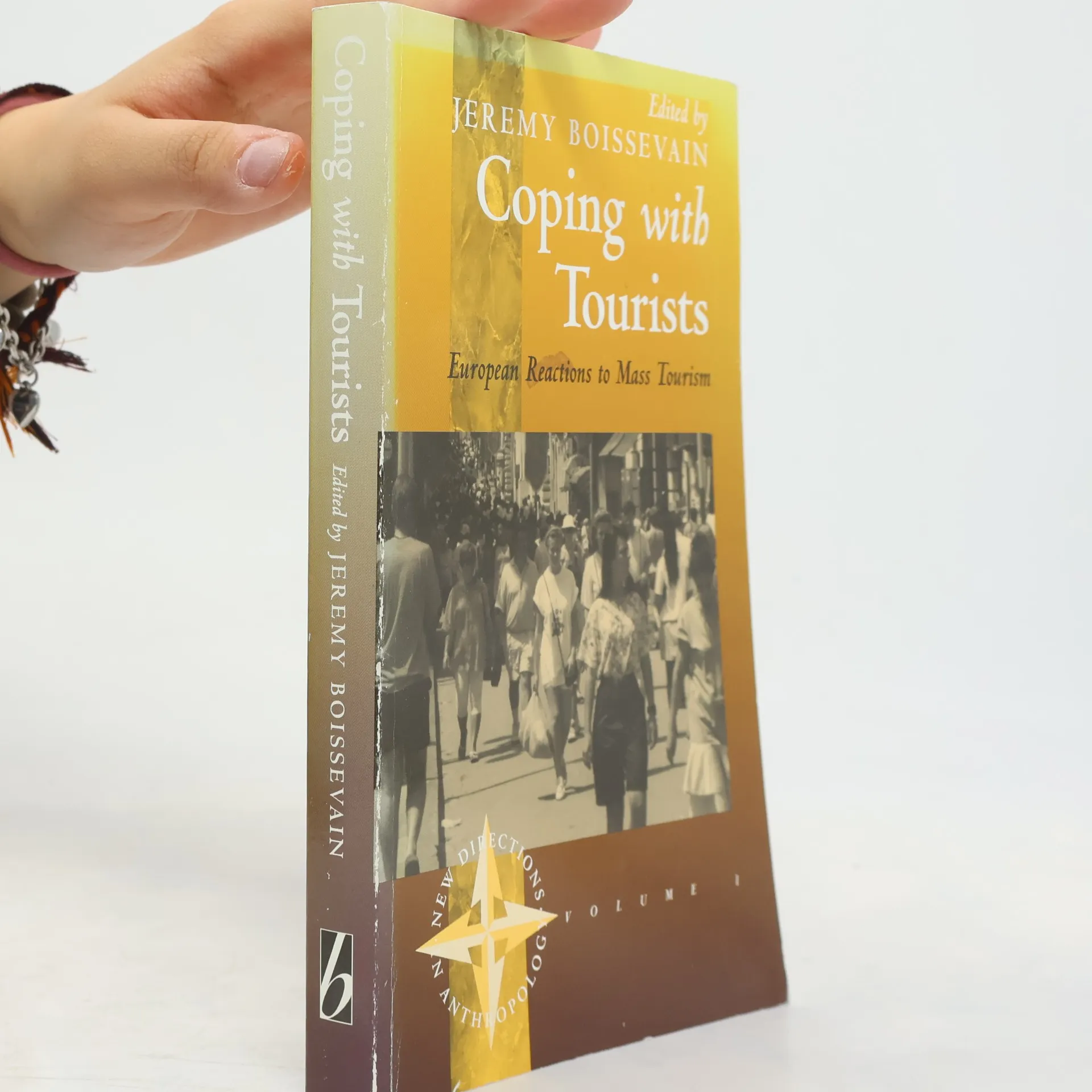
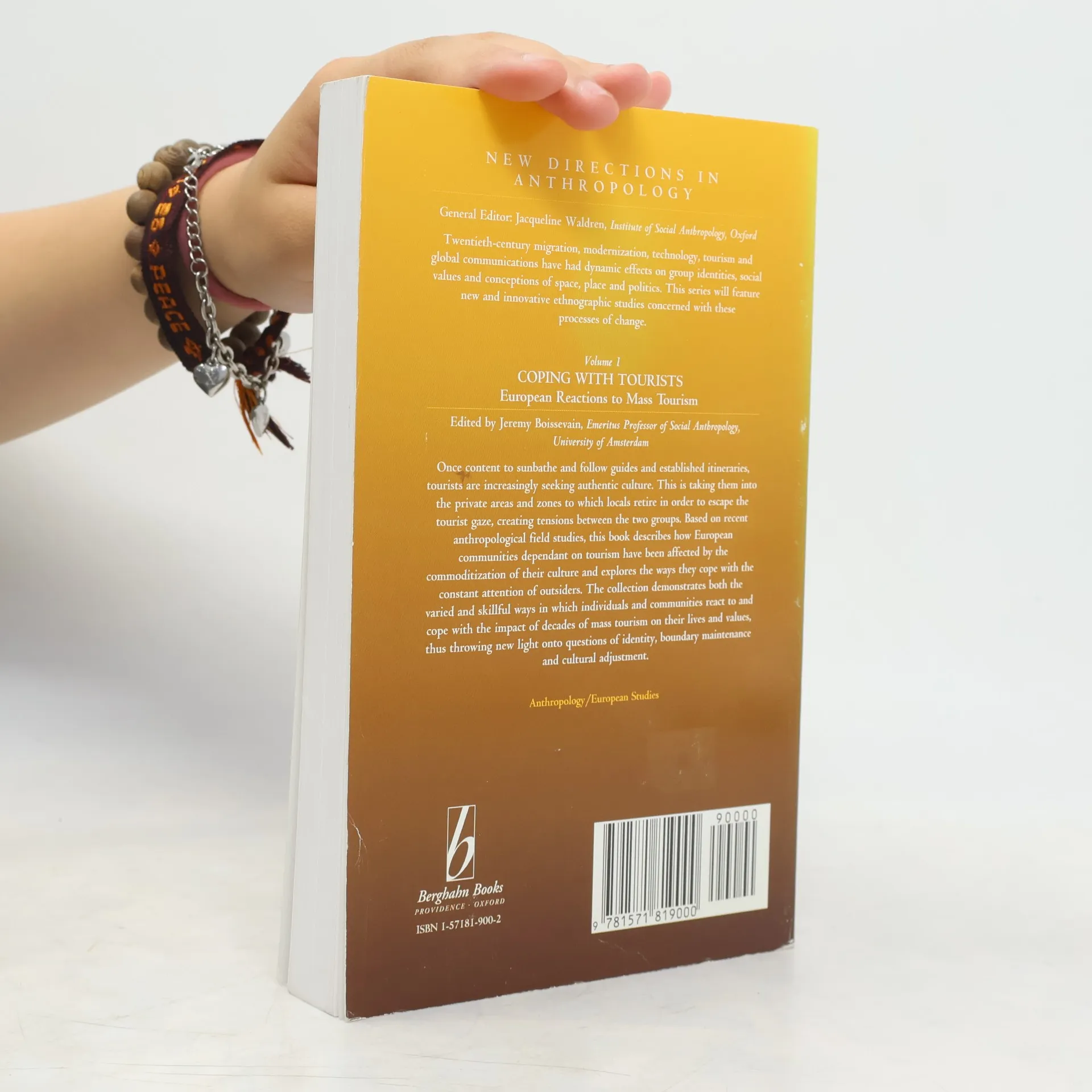
Once content to sunbathe and follow guides and established itineraries, tourists are increasingly seeking authentic culture. This is taking them into the private areas and zones to which the locals retire in order to escape the tourist gaze, creating tensions between the two groups. Based on recent anthropological field studies, this book describes how European communities dependant on tourism have been affected by the commoditization of their culture and explores the ways they cope with the constant attention of outsiders. The collection demonstrates both varied and skillful ways in which individuals and communities react to and cope with the impact of decades of mass tourism on their lives and values, thus throwing new light onto questions of identity, boundary maintenance and cultural adjustment.
Compra de libros
New Directions in Anthropology - 1: Coping With Tourists, Jeremy Boissevain
- Idioma

- Publicado en
- 1996
- Encuadernación
- (Tapa blanda)
Métodos de pago
Nadie lo ha calificado todavía.
- Título
- New Directions in Anthropology - 1: Coping With Tourists
- Subtítulo
- European Reactions to Mass Tourism
- Idioma
- Inglés
- Autores
- Jeremy Boissevain
- Editorial
- Berghahn Books
- Publicado en
- 1996
- Formato
- Tapa blanda
- Páginas
- 272
- ISBN10
- 1571819002
- ISBN13
- 9781571819000
- Serie
- Categorías
- Etiquetas
- Comercio, Viajes, Europa, Europa Occidental, Industria del turismo
- Descripción
- Once content to sunbathe and follow guides and established itineraries, tourists are increasingly seeking authentic culture. This is taking them into the private areas and zones to which the locals retire in order to escape the tourist gaze, creating tensions between the two groups. Based on recent anthropological field studies, this book describes how European communities dependant on tourism have been affected by the commoditization of their culture and explores the ways they cope with the constant attention of outsiders. The collection demonstrates both varied and skillful ways in which individuals and communities react to and cope with the impact of decades of mass tourism on their lives and values, thus throwing new light onto questions of identity, boundary maintenance and cultural adjustment.