

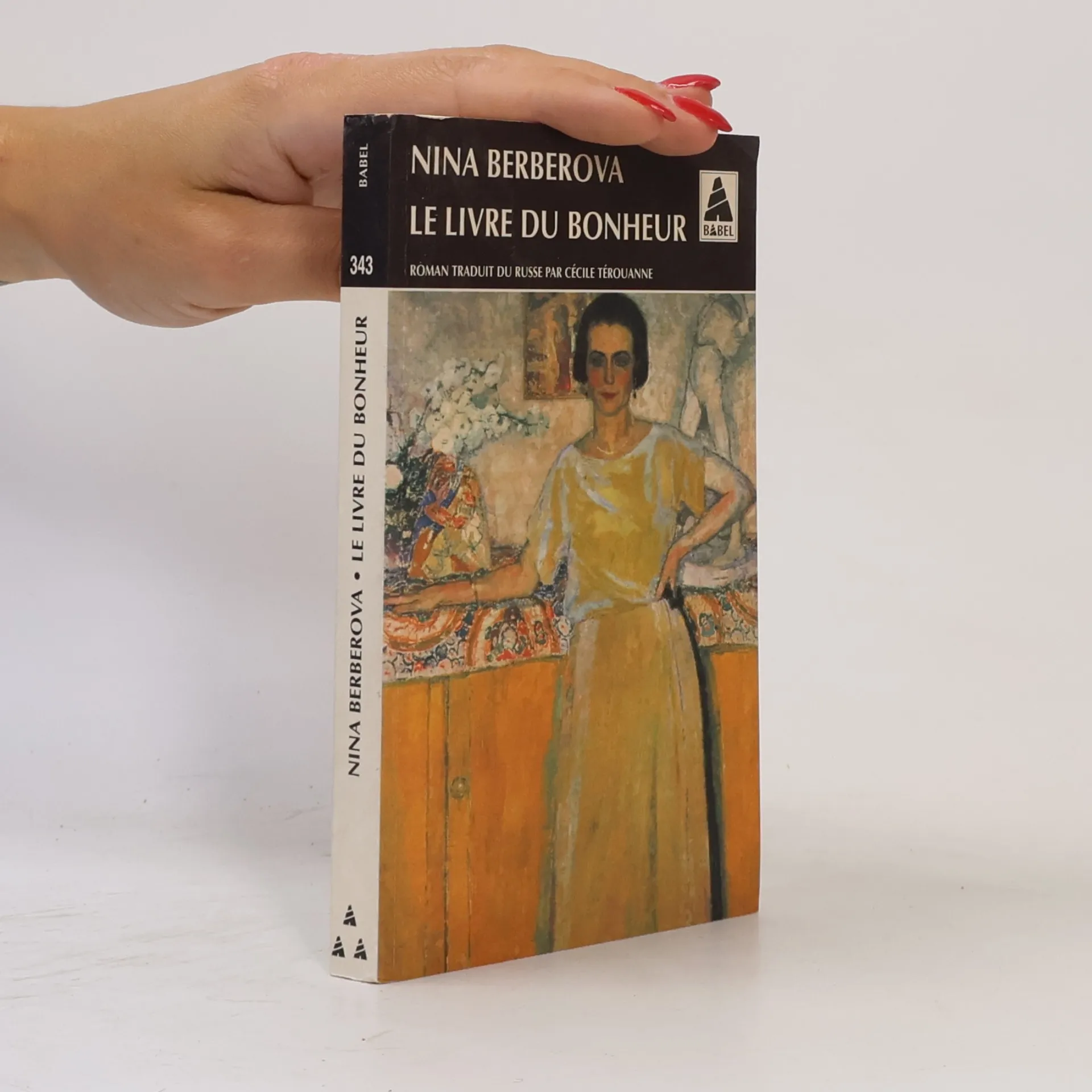
Más información sobre el libro
Joy is often deemed uninteresting in literature, as Tolstoy suggested that "happy families are all alike." Yet, this novel's heroine proves that happiness can be as unique and compelling as any tragedy. Nina Berberova, an émigrée who experienced loneliness and loss, emerges as an unexpected champion of happiness. Her writings, now being translated into English, are beautifully crafted, albeit somewhat distant. In contrast, Vera, the protagonist, is vibrant and full of life, offering a refreshing departure from the typical Russian character. Her journey unfolds in three parts, each linked to a significant love. The first part reflects on the suicide of her oldest friend, leading Vera to reminisce about her idyllic childhood. The second part recounts her tumultuous marriage to a tyrannical invalid and their subsequent emigration to Paris. The third part culminates in a very happy ending. Berberova's writing balances deep emotion with restraint, exemplified in the invalid's poignant description of love. Vera seeks not just "peace" or "freedom," but the elusive state of genuine happiness. In this elegant translation by Marian Schwartz, Berberova captures the essence of joy, making it as palpable on the page as it is in life.


Compra de libros
Le Livre du bonheur, Nina Nikolaevna Berberova, Cécile Térouanne
- Idioma

- Publicado en
- 1998
- Encuadernación
- (Tapa blanda)
Métodos de pago
Nos falta tu reseña aquí
- Título
- Le Livre du bonheur
- Idioma
- Francés
- Editorial
- Actes sud
- Publicado en
- 1998
- Formato
- Tapa blanda
- Páginas
- 240
- ISBN10
- 2742718966
- ISBN13
- 9782742718962
- Serie
- Etiquetas
- Título original
- Kniga sčast'ja
- Calificación
- 3,5 de 5
- Descripción
- Joy is often deemed uninteresting in literature, as Tolstoy suggested that "happy families are all alike." Yet, this novel's heroine proves that happiness can be as unique and compelling as any tragedy. Nina Berberova, an émigrée who experienced loneliness and loss, emerges as an unexpected champion of happiness. Her writings, now being translated into English, are beautifully crafted, albeit somewhat distant. In contrast, Vera, the protagonist, is vibrant and full of life, offering a refreshing departure from the typical Russian character. Her journey unfolds in three parts, each linked to a significant love. The first part reflects on the suicide of her oldest friend, leading Vera to reminisce about her idyllic childhood. The second part recounts her tumultuous marriage to a tyrannical invalid and their subsequent emigration to Paris. The third part culminates in a very happy ending. Berberova's writing balances deep emotion with restraint, exemplified in the invalid's poignant description of love. Vera seeks not just "peace" or "freedom," but the elusive state of genuine happiness. In this elegant translation by Marian Schwartz, Berberova captures the essence of joy, making it as palpable on the page as it is in life.